The Strait of Hormuz, the Red Sea, and the Black Sea—Risk Areas in the Oil Market. An Analyst's Opinion

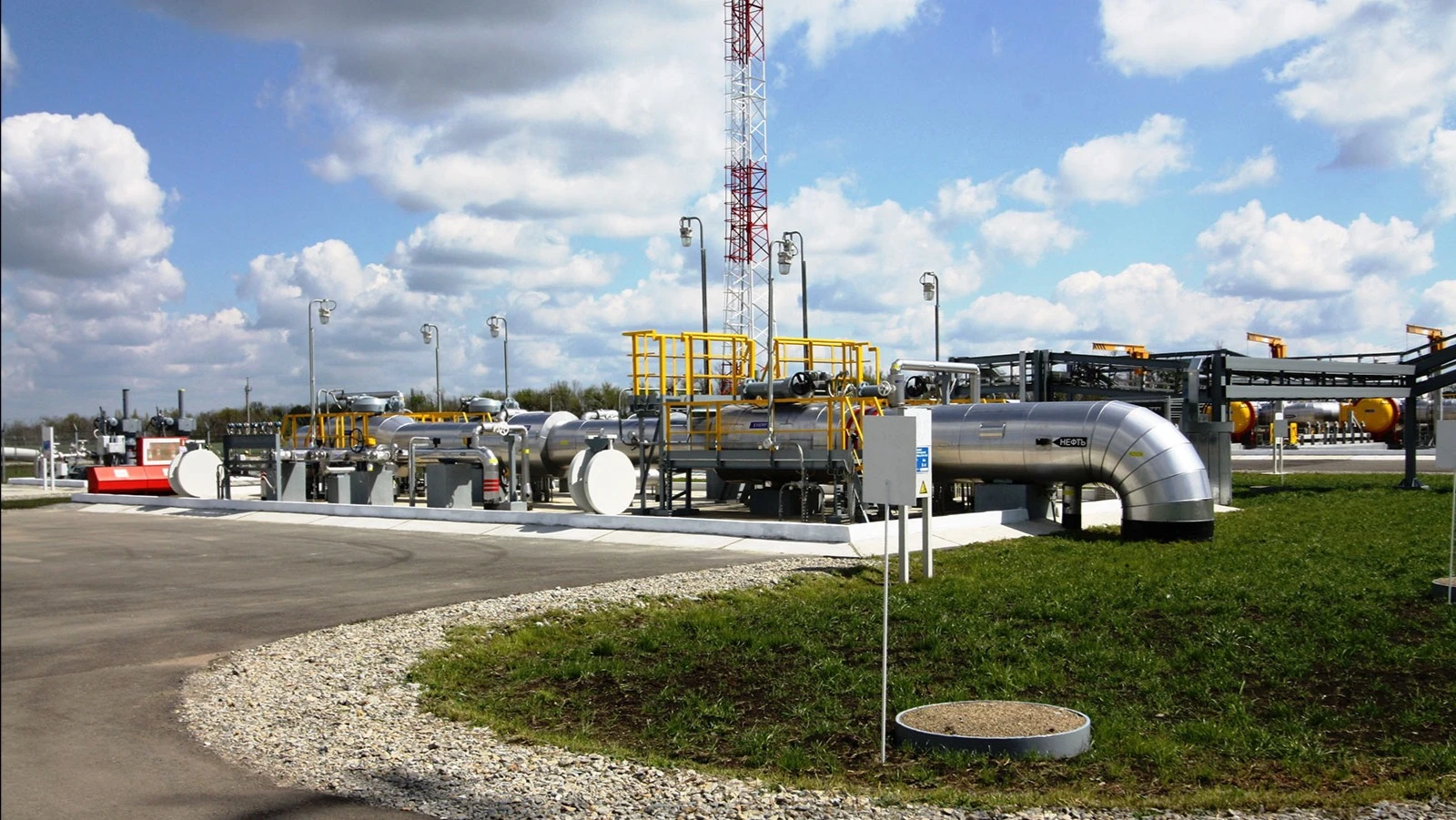
Kazakhstan has suspended oil shipments via the CPC Pipeline, a move that signals tighter conditions for the oil market, according to Kevin Morrison, an analyst at the Institute for Energy Economics and Financial Analysis. Photo: CPC
On July 21, Kazakhstan halted oil shipments via the pipeline to the Caspian Pipeline Consortium (CPC) terminal. This decision was made following a series of attacks on tankers in the Black Sea, according to Bloomberg. Up to 80% of Kazakhstan’s oil exports pass through the CPC terminal, the agency notes, adding that the country will have to begin cutting production if the suspension continues through the end of this week.
Earlier this week, the Yemeni Houthis announced a naval blockade of ships from Saudi Arabia in the Red Sea.
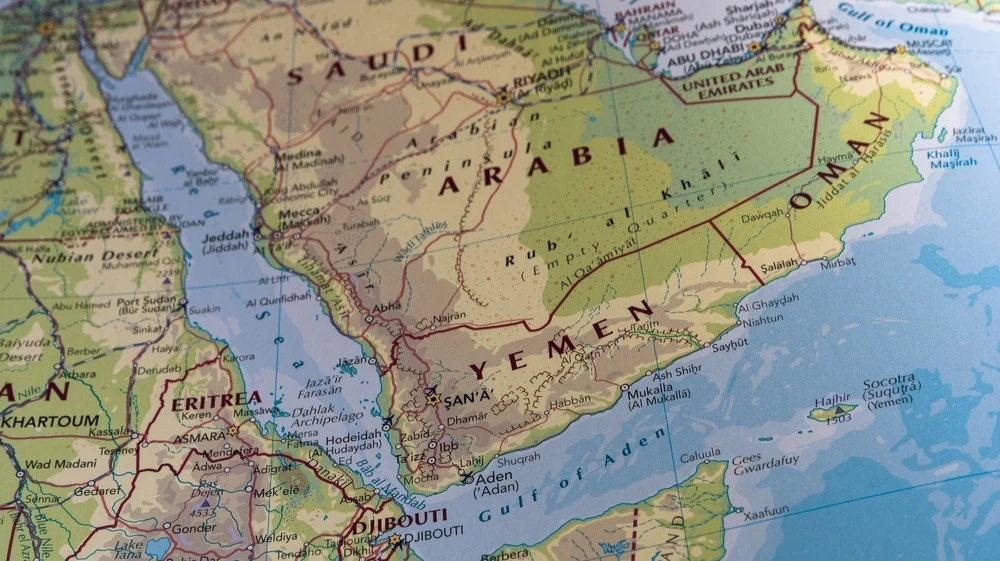
Shipping through the Strait of Hormuz—one of the main maritime routes for exporting oil and gas from the Middle East—has also come to a virtual standstill. On July 21, only four cargo ships carrying raw materials passed through the strait, Reuters reported, citing data from Kpler.
In an exclusive commentary for Oninvest, Kevin Morrison, an oil and gas sector analyst at the Institute of Energy Economics and Financial Analysis (Australia), explains how the market can accurately assess current developments.
A sign of a tighter market
The shutdown of Kazakh oil exports via the CPC pipeline signals a further tightening in global crude oil and oil product markets.
Although the CPC volumes represent about 1% of global oil supplies it comes at a time of further disruptions to fuel supplies in Russia and the Middle East. Russia has halted diesel exports since 8th July due to drone strikes by Ukraine on Russian oil refining facilities retaliation to Russia’s invasion of its neighbour.
Maritime traffic in the Strait of Hormuz has been disrupted again following the end of the ceasefire between the US and Iran. This has led to a dramatic drop in the number of oil tankers leaving this contested water, and accounts for around 20% of global oil supplies. This has been exacerbated by the Houthis in Yemen threatening to attack tankers using Red Sea ports in Saudi Arabia.
In addition, the combined exports from the US, Brazil, Guyana and Canada have fallen 18% since a 13.53 Mbpd peak on 1 June, to between 10.7 and 11.1 Mbpd by mid-July. Tighter US onshore commercial crude oil inventories are putting pressure on the US to keep its crude rather than exporting it, according to data from Kpler.
The collective increase in oil production from these four countries was around 3 million barrels a day during April to early June, and helped keep a lid on oil prices.
At the same time Chinese imports which serves as the main shock absorber to prevent a significant rise in oil prices and alleviate tight oil market is the level, fell by more than 40% in June to its lowest level in nearly 10 years. This is preventing a sharper spike in crude oil prices.
Lower crude oil imports into China has meant though that it has reduced its refinery runs and curtail oil product exports and so this also adds to market tightness.
Who will be hit the hardest?
This decision by Kazakhstan shows a major structural vulnerability particularly for the Asia Pacific region as the overwhelming majority of crude oil exported via the Strait of Hormuz and via the Bab el-Mandeb Strait.
In addition Russian crude that travels through the Suez Canal and into the Red Sea and via Bab el-Mandeb Strait on its way to India, may also be impacted.
The Kazakh exports via the CPC is also destined for customers largely in Europe and in particularly Italy, as well as France, Spain, the Netherlands and Turkey. Some cargoes also make it to the Asia Pacific and are transported via the Suez canal and into the Red Sea. So this could be another factor that will lower crude oil shipments through the Red Sea.
Policymakers in oil importing countries will have to revisit their plans to implement demand reduction measures. If the prices start to rise a lot higher from here, then that will also start to choke off demand.
Impact on Prices
The market is starting to price in the risk premium for major disruptions to oil supplies: the Brent crude futures price at more than US$94 a barrel.
This seems like a perfectly justified risk premium: oil traded at roughly this level for most of the period between the end of February and mid-June when the Strait of Hormuz was closed.
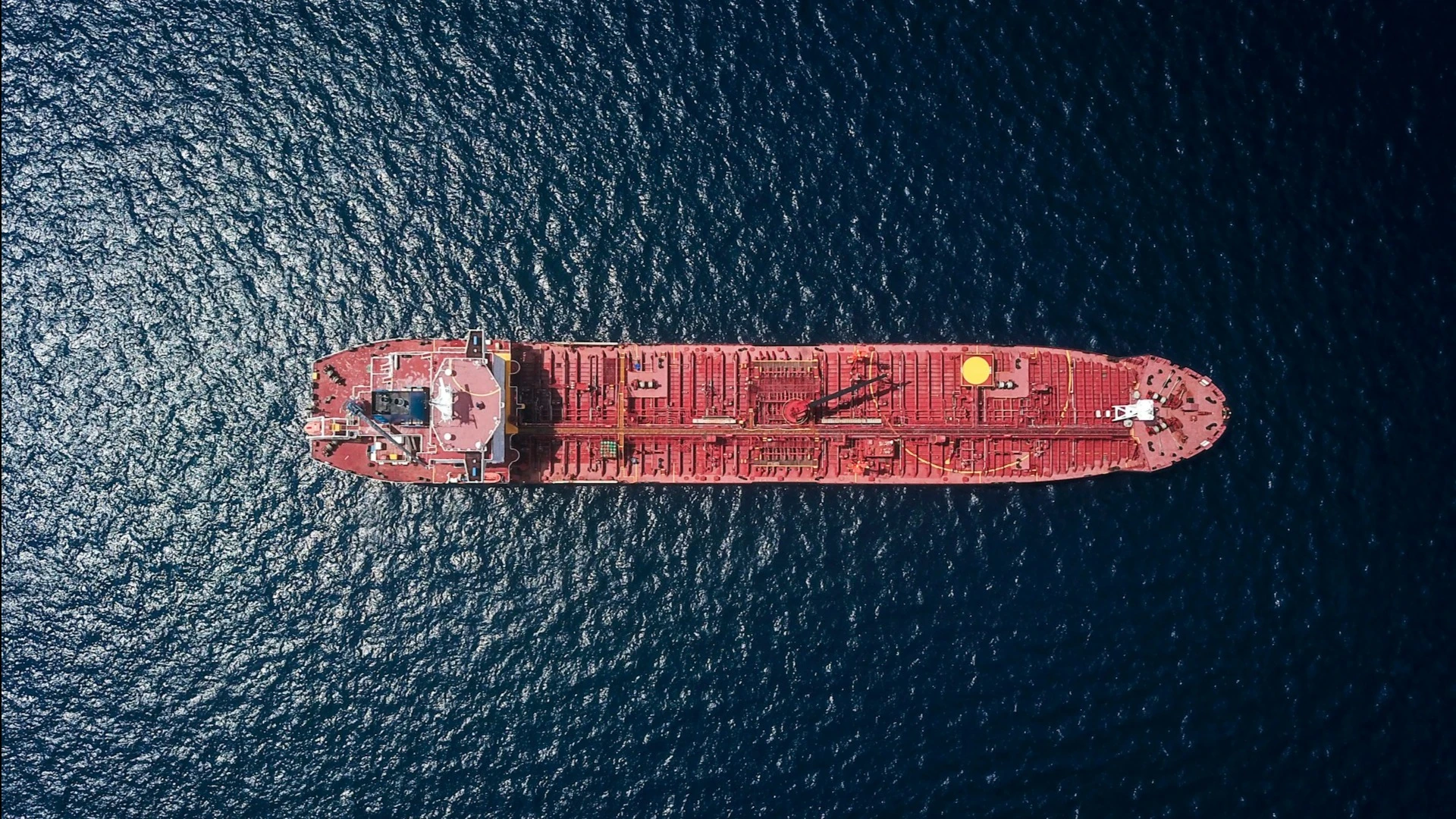
If the prices start to rise a lot higher from here, then that will also start to choke off demand..
Which public companies might be affected by the suspension of shipments via the CPC?
Chevron, ExxonMobil, Shell, and the Italian energy company Eni hold stakes in the CPC with the former having the most exposure to the CPC pipeline through its 15% stake. ExxonMobil owns 7.5%, Shell owns a bit less. Italian ENI owns only about 2% of the pipeline.
The loss of oil from the CPC pipeline will not have a dramatic impact on Chevron, ExxonMobil, Shell or ENI because the pipeline represents a relatively small part of their respective businesses – given their geographical spread and their business diversity spread across oil, gas and chemicals.