Which Stocks to Avoid and Why You Should Listen to Short Sellers: Bill Eckman's Investment Rules

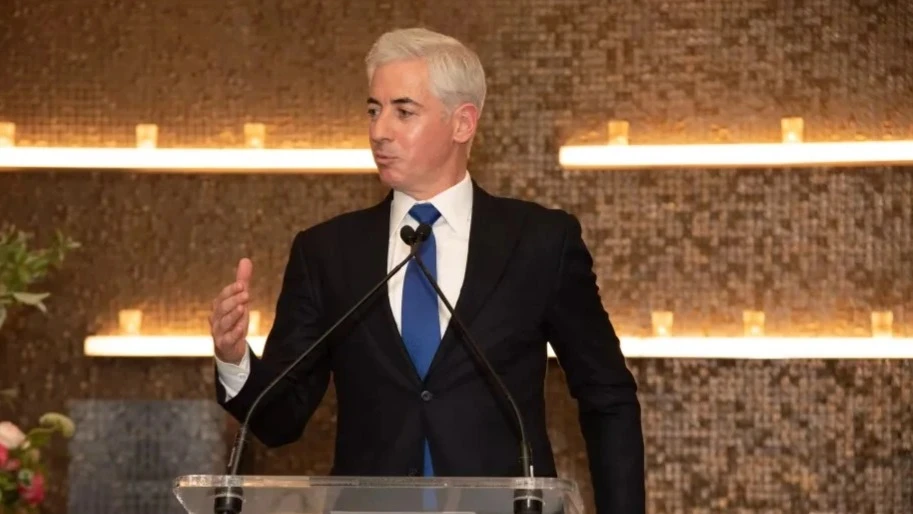
Pershing Square's investment portfolio is concentrated in just a few issuers / Photo: Pershingsquarephilanthropies.org
Bill Eckman, founder and director of the hedge fund Pershing Square Capital Management, explained the principles he follows when selecting assets in the stock market. In an interview with Nikolai Tangén, head of Norway’s sovereign wealth fund—the world’s largest—Ekman advised investors to focus on companies with a planning horizon of 10 to 20 years, avoid businesses that are sensitive to external factors, and to test their investment ideas against the arguments of short sellers.
Look 10–20 years ahead
“A great company is a business you can buy today, after which the markets will close for 20 years, and you’ll know with a high degree of certainty that in 10 or 20 years, you’ll still own something extremely valuable,” said Ekman.
“If you can’t build a business model for a reasonable period of time—10, 15, or 20 years—I don’t think you’ll be able to determine its value,” he noted. “There are many companies whose true value we have no idea about. We don’t even look at them.”
According to Ekman, most investors are looking for a “get-rich-quick strategy,” and the asset management industry is focused on the short term and quarterly financial results, whereas companies need a long-term planning horizon, which is what Warren Buffett focused on.
Which Companies Should You Avoid?
"The long-term sustainability of a business’s quality is crucial. We look for companies that are not subject to external factors beyond our control. That’s why we hardly ever invest in stocks that are sensitive to fluctuations in commodity prices, changes in interest rates, or regulatory decisions. We try to keep things simple,” said the head of Pershing Square.
Ekman noted that such businesses are not tied to any specific industry: "We like companies that, like royalty recipients, provide a steady cash flow. At the same time, we can be highly confident that these revenues will grow rapidly over many years, and the earnings won’t have to be reinvested in the business."
One of the criteria on the fund’s checklist is confidence in the company’s current value and the amount of cash it will generate over its entire lifespan, thereby securing a moat—that is, a sustainable competitive advantage.
Regarding artificial intelligence, Ekman noted that today all companies are either involved in AI or risk being adversely affected by its adoption, and investors need to determine which of these categories a particular stock falls into.
Why Should an Investor Listen to Short Sellers?
When selecting stocks, Ekman advised examining the short sellers’ positions: “Find the top short seller for the asset you own and listen to their arguments. If you can refute each of them, you’ll feel much more confident in your investment.”
“Find the person who explains most convincingly why you’re wrong. In that case, either they’ll convince you of your mistake, or you’ll systematically refute each of their arguments,” the financier added.
What's in Ekman's own portfolio?
Pershing Square’s portfolio is concentrated around just a few issuers—as of the end of the second quarter, it held 14 positions. In the Big Tech sector, the fund holds positions in Amazon, Microsoft, and Meta, while Ekman sold his Alphabet shares as of June 30. The portfolio also includes the investment group Brookfield, the ride-hailing service Uber, and the payment systems Visa and Mastercard.
In 2022, Ekman recorded a loss of about $400 million after closing his position in Netflix stock just a few months after purchasing it; however, in August 2026, he announced that he had once again acquired shares in the streaming service. Over the past three months, Netflix’s stock price has plummeted 16% amid a weak sales forecast, market doubts about its content strategy, and intensifying competition. Whether this position remained in Pershing Square’s portfolio in the third quarter will become clear in mid-November, when funds are required to publish their financial reports.
Ekman attributes this narrow concentration of assets to the fact that there are only 200–300 truly outstanding businesses in the world, but they rarely trade “at a price that makes the investment outstanding.”
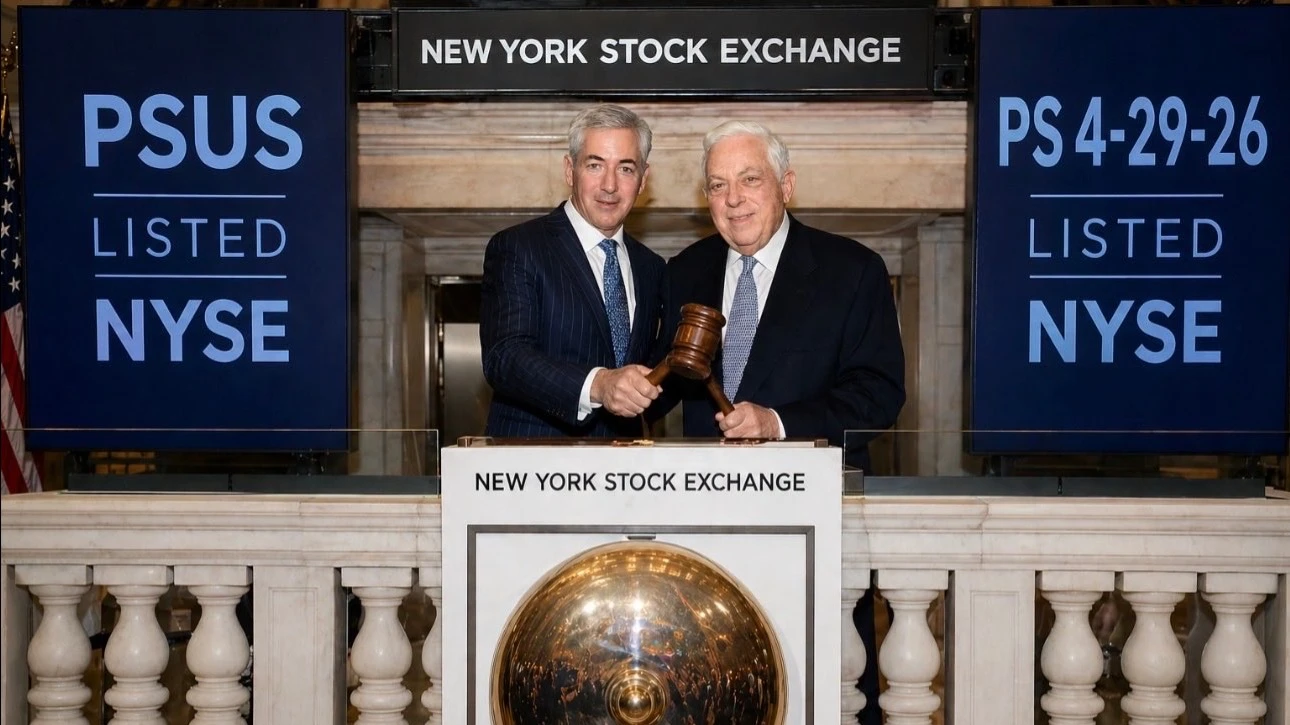
In April, Pershing Square went public —over the past three months, its shares have risen 42%, though they fell 16% in October.
______________________
In the “Guru Portfolios” section on Oninvest, you can track the composition and changes in the portfolios of the world’s largest investors and funds. The service allows you to analyze the largest holdings, new ideas, and changes in asset allocations based on 13F filings, as well as compare performance trends.
This article was AI-translated and verified by a human editor