Airbus has lowered its forecast for aircraft demand due to the war with Iran
The company believes that in the coming years, fleet renewal will play a greater role than fleet expansion,

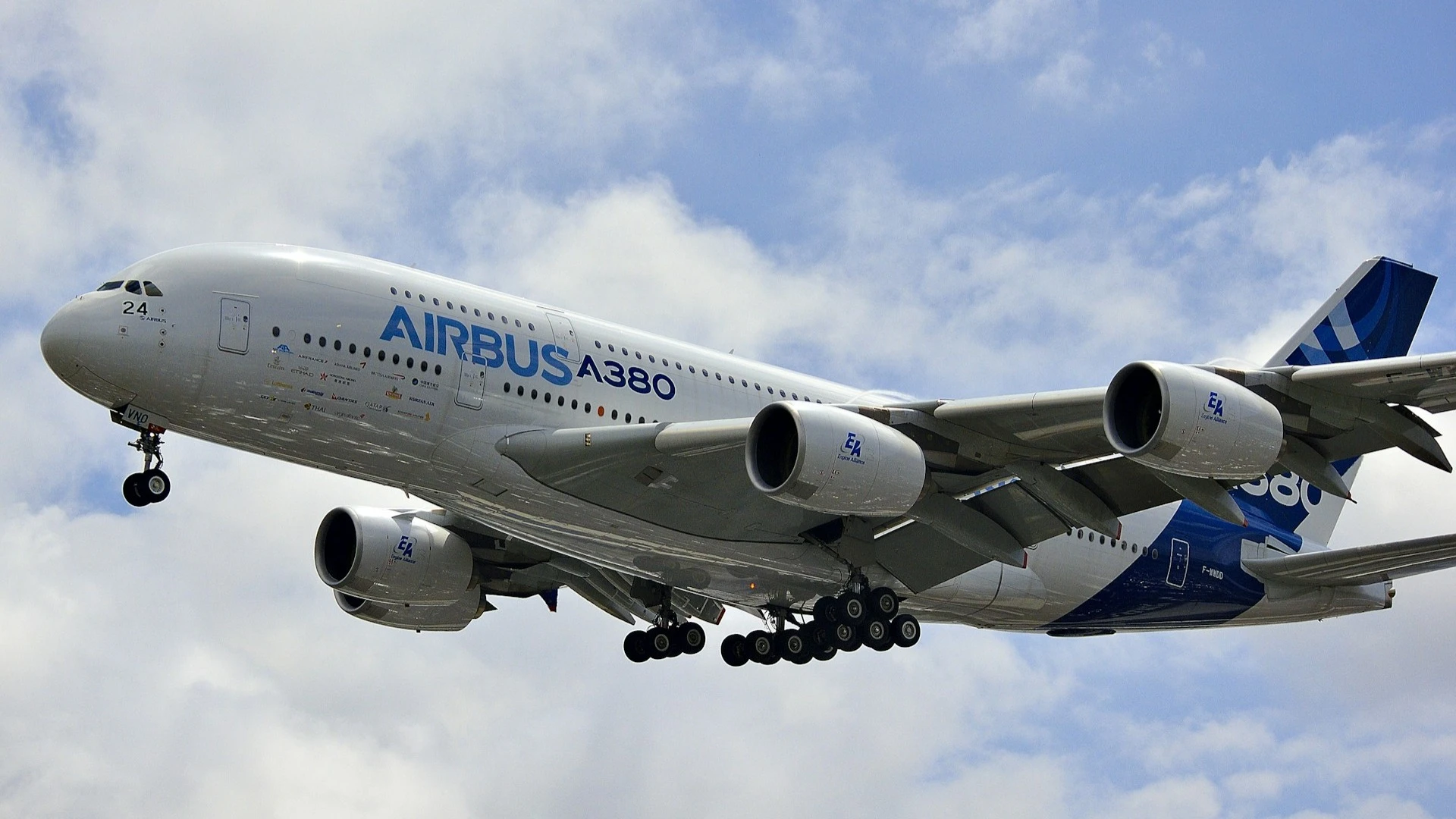
Airbus has lowered its long-term forecast for aircraft demand / Photo: Unsplash.com / Daniel Eledut
Airbus has lowered its long-term industry-wide forecast for global demand for passenger aircraft, stating that the war with Iran and trade conflicts—including the imposition of tariffs—have slowed the aviation market’s post-pandemic recovery, according to Reuters.
Details
The world’s largest European aircraft manufacturer expects that approximately 42,000 passenger aircraft will be delivered to airlines between 2026 and 2045, which is 1% less than previous estimates. The forecast takes into account not only deliveries from Airbus, but also from its competitor Boeing, as well as deliveries from Chinese manufacturers.
"The post-pandemic recovery [in demand in the aviation industry] has effectively stalled," Antonio da Costa, head of market analysis at Airbus, told Reuters.
The war with Iran has forced airlines to take a more cautious approach to their fleet expansion plans, Reuters reports, noting that airlines are scaling back their plans to increase capacity amid rising oil prices. For example, Airbus has raised its forecast for the share of passenger aircraft purchased by carriers to replace older aircraft from 45% to 47% of total deliveries. According to Airbus, this suggests that fleet renewal will play a greater role than fleet expansion in the coming years. At the same time, Airbus continues to expect steady demand for aircraft—primarily from Asia, which is projected to account for about half of all industry deliveries over the next 20 years.
At the same time, the projected volume of deliveries only slightly exceeds the previously announced production plans of Airbus and Boeing, leaving room for deliveries of their Chinese competitor, the C919, to the market, Reuters notes. Such figures may indicate that the ongoing shortage of aircraft in the industry could begin to ease over time, the agency explains.
What Else Did Airbus Announce?
Despite the downgraded forecast for aircraft deliveries, Airbus expects global passenger traffic to grow by an average of 3.9% over the next 20 years. Before the conflict in the Middle East escalated again this week, the largest aviation hubs in the Persian Gulf countries had almost returned to normal traffic levels following disruptions caused by the war, the company noted.
What about the stocks?
Airbus shares fell 3% at the close of trading on July 8 on the Paris Stock Exchange; year-to-date, they are down slightly, by 0.5%. According to data compiled by Marketscreener, the majority of analysts covering the stock—17—recommend buying Airbus shares, while six recommend holding.
Boeing shares are up about 3% since the start of the year. Of the 23 analysts covering the company’s stock, 23 recommend buying, six have a neutral “Hold” rating, and one recommends selling.
This article was AI-translated and verified by a human editor