Prices on memory manufacturers' products have dropped significantly. Is the biggest rally of the year over?
Tom Lee, head of research at Fundstrat, sees the decline in memory chip makers' stock prices as an opportunity to open positions

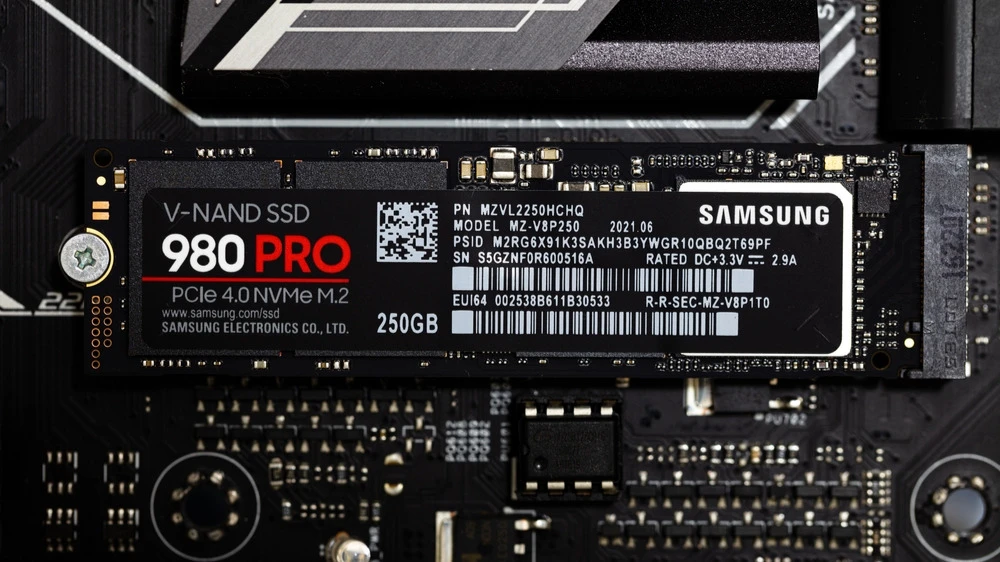
Shares of memory manufacturers have fallen by more than 20% from their recent highs / Photo: Ruslan Lytvyn / Shutterstock.com
Shares of memory chip manufacturers, which had risen to record highs during the first half of the year, entered a bear market in July, falling more than 20% from their recent highs. The Roundhill Memory ETF, launched in April to track these stocks, had risen 190% at its peak. However, it has now fallen 25% from its record high. Analysts, however, do not yet see any cause for panic.
How much have stock prices fallen?
Shares of SanDisk, a flash storage manufacturer whose stock rose 764% in the first half of the year and was the top performer in the S&P 500, have fallen 28% from their June high. Shares of Western Digital, a data storage systems developer, fell 26%, while Seagate’s shares fell 22%. Shares of South Korea’s SK Hynix have plummeted 28% from their peak, also reached in June; Samsung’s stock has fallen 23%; and shares of chipmaker Micron—which produces data storage devices, RAM, and flash memory for AI processors—fell by 22%.
The broader chip sector is also declining, though not as sharply as the memory segment. The Philadelphia Semiconductor Index has lost 12% over the past five days.
What Stopped the Rally?
The latest wave of sales was apparently triggered by Samsung,
according to Business Insider. The South Korean giant reported strong second-quarter results this week, but despite record revenue, the figures only slightly exceeded the high bar set by investors, who began selling off the company’s shares.
Samsung and SK Hynix account for roughly half of the market capitalization of South Korea’s Kospi stock index. Their collapse has caused the world’s fastest-growing market to turn bearish, according to Business Insider. This term refers to a decline of 20% or more from the most recent high.
Investors’ reaction showed that they view rapid profit growth as a potential warning sign: companies may be spending too much on building AI infrastructure, Jose Torres, a senior economist at Interactive Brokers, explained to the publication. Samsung, Micron, and SK Hynix are particularly important for bets on the memory sector, he added: their profits reflect the high costs that tech companies are incurring to stay ahead in the AI race.
“In addition, there are complaints from companies about the inflated cost of memory chips: they believe prices should come down,” — Torres added, noting that to investors, this may appear to be the peak of the memory price cycle rather than the new normal. Traders are also taking into account the high valuations in the memory sector, the analyst emphasized.
What's next?
Shares of memory manufacturers still have an “exceptionally strong fundamental story,” despite ongoing volatility in the sector, wrote strategists at JPMorgan’s markets division on Wednesday, according to a note cited by Business Insider. “Positioning was already below neutral, and while it doesn’t yet signal a buy, we’ve moved closer to that level following the recent sell-off,” the bank said.
“We maintain a very positive outlook on the entire memory sector,” the publication quotes Navellier & Associates strategist Luke Lango as saying. In his view, the technical and fundamental outlook for memory manufacturers’ stocks remains “as favorable as statistics can possibly confirm.”
Tom Lee, head of research at Fundstrat, sees the decline in chipmaker stocks as an opportunity, according to MarketWatch. He says that Fundstrat “has a constructive view on the near term” and is “buying on the dip.”
“The market’s reaction to Samsung’s results and reports that Amazon will not issue new debt following its recent offering are heightening concerns about the predictability of the AI outlook,” Lee told clients. The strategist noted that Samsung’s stock has rebounded from sharp declines in the past. There are other reasons why he remains optimistic through the end of the year. Lee points to an improvement in the ISM Manufacturing Index. This metric is considered a leading indicator: when orders and production begin to grow, the market often prices in an acceleration in corporate earnings. According to Lee, this increases the chances of stronger earnings growth for Samsung in 2027.
This article was AI-translated and verified by a human editor