Uncertainty and Buying on the Dip: How the Market Weathered a New Round of Tensions with Iran
The price of Brent crude briefly jumped to $80 per barrel, after which its rise slowed

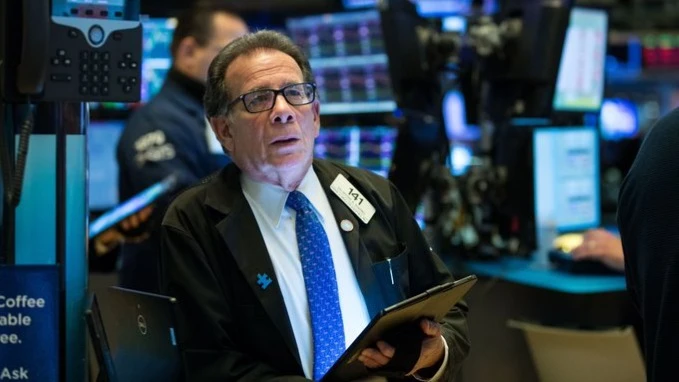
Photo: X / NYSE
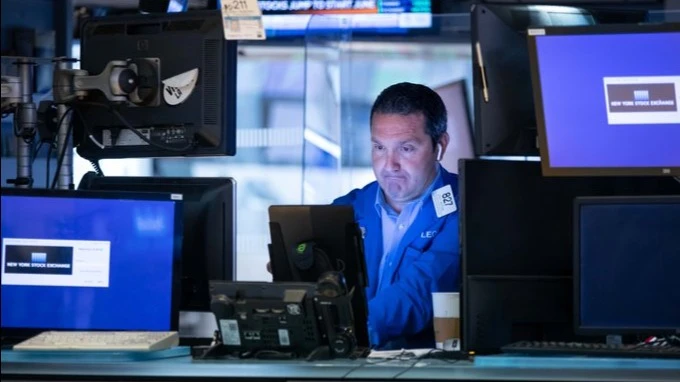
By the end of the trading day, U.S. indices had managed to recoup some of their losses following the sell-off that swept through the stock market in response to a new escalation of the conflict with Iran and Trump’s announcement that the ceasefire had ended. Shortly thereafter, speaking at the NATO summit, he softened his rhetoric and said he did not expect a full-scale resumption of hostilities.
As a result, the S&P 500 index closed the day down 0.3%, though it had fallen as much as 1.1% during the trading session. The tech-heavy Nasdaq Composite even managed to gain 0.2%. The blue-chip Dow Jones Industrial Average was hit the hardest, plummeting 1.1%. Stocks in the materials sector, non-essential goods manufacturers, and financial companies saw the sharpest declines, according to CNBC.
“Despite rising oil prices, heightened geopolitical tensions, and the fact that the yield on 10-year U.S. Treasury bonds reached a one-month high, investors still took advantage of the dip to buy,” said Bret Kenwell, eToro’s U.S. market investment analyst, in an interview with Bloomberg. According to him, market participants are likely counting on the current volatility to eventually present a good investment opportunity once attention shifts back to fundamentals—with the start of earnings season next week.
Even amid escalating tensions between the U.S. and Iran, the conflict in the Middle East will not become the main focus for investors, according to Tom Garrettson of RBC Wealth Management. “I think the market is still pricing in the baseline scenario that there will be flare-ups of tension,” he told CNBC. According to the strategist, an escalation is merely an “additional risk” to the more fundamental story, including a possible Fed rate hike.
“A new escalation of tensions in the Middle East has disrupted the unusually calm market sentiment that had been developing in recent weeks, forcing investors to refocus on geopolitical risks after several weeks during which they had priced in a scenario of gradual de-escalation,” wrote Daniela Hothorn, senior market analyst at Capital.com, as quoted by CNBC. “Markets had already grown accustomed to the idea that the conflict would gradually fade into the background, but recent events show that this assumption may have been premature.”
What's going on with oil?
Energy markets are once again facing uncertainty, according to MarketWatch. Futures for benchmark Brent crude rose 5.9% on July 8 and closed at $78.5 per barrel. North American WTI was trading at around $74 per barrel.
“Even if there are no major disruptions to physical deliveries, the uncertainty surrounding vessel safety, insurance costs, potential delays, and the risk of further escalation is likely to keep the market highly volatile in the near term,” according to a note from Rystad Energy analysts cited by the publication.
Ship traffic through the Strait of Hormuz has dropped sharply, according to MarketWatch. According to analysts at Windward Maritime, the strait is “once again operating under conditions of full-scale armed conflict.” They also noted that the gradual normalization of shipping traffic observed since mid-June “has effectively come to a halt.”
The rally in oil prices boosted the stocks of energy companies such as Chevron, Exxon Mobil, ConocoPhillips, and others. At the same time, the price increase hit companies for which it means higher costs: airlines and cruise operators. American Airlines’ stock plummeted 4%, while United Airlines’ shares fell 2.5%.
This article was AI-translated and verified by a human editor