Morgan Stanley Warned of Obstacles for U.S. Stocks on Their Way to New Highs
Investors are shifting capital into underperforming sectors, but Wall Street remains largely optimistic about the second half of the year


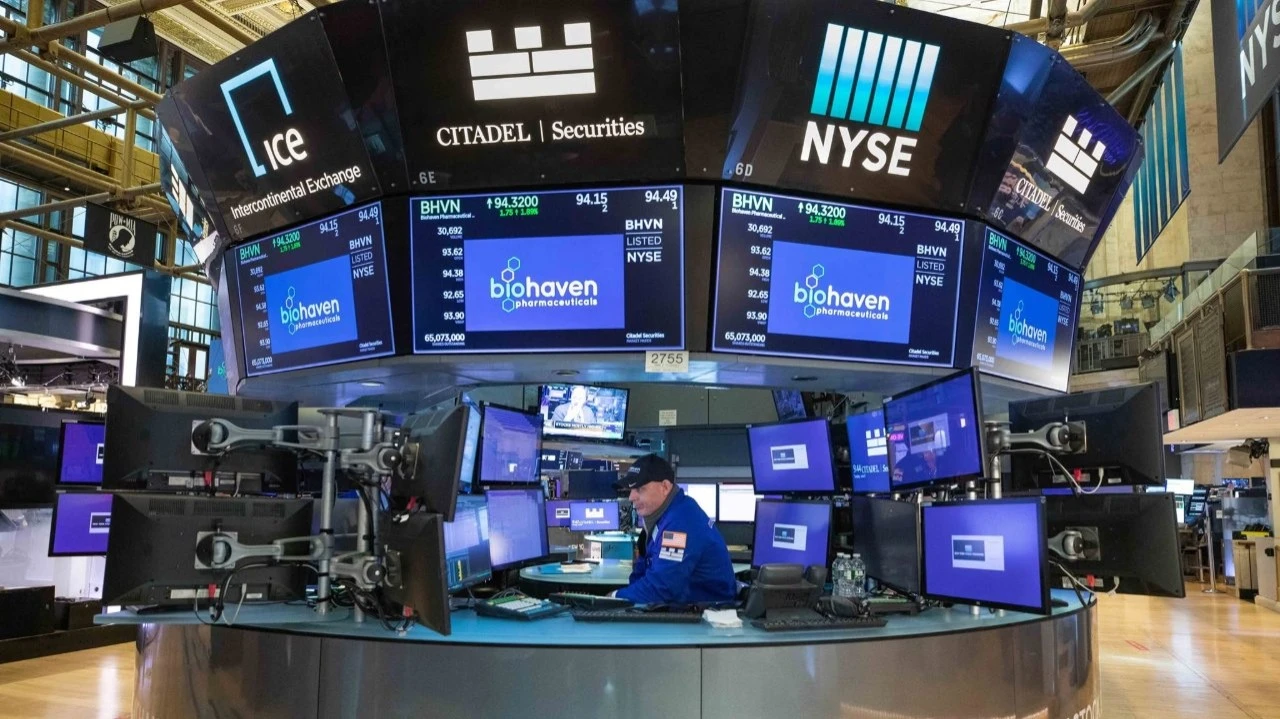
The U.S. stock market will face short-term pressure in the near future, according to an analyst / Photo: JHVEPhoto/SHutterstock
Morgan Stanley warned that the U.S. stock market will face short-term pressure and is unlikely to reach new all-time highs anytime soon. The bank’s strategists expect a rotation out of the overheated chipmaker sector and into other, currently underperforming assets, according to Bloomberg. Among them, Morgan Stanley analysts cite big-tech stocks such as Microsoft and Meta. Since the start of the year, they have lost 20% and 10%, respectively.
However, other Wall Street analysts are far more optimistic about the second half of 2026—they point to strong corporate earnings and high liquidity, Yahoo Finance adds.
Why Is Morgan Stanley Being Cautious?
According to Morgan Stanley strategist Michael Wilson, it will be difficult for major U.S. indices to set new records in the short term. The analyst notes that momentum in the semiconductor sector is waning, which will keep key indices under pressure “against the backdrop of a generally volatile and weaker market,” writes Bloomberg. Instead of chipmakers, investors will be buying shares of hyperscalers such as Microsoft, Amazon, and Meta, Wilson says. This group of companies is attractive within the AI ecosystem due to the resilience of their core businesses, he notes.
The analyst attributes this rotation, in part, to the fact that the Philadelphia Semiconductor Index—the main barometer of the semiconductor industry — has already fallen more than 12% from its June peak due to investor concerns about inflated valuations, according to Bloomberg. However, compared to September 2025, the chip sector is still up 123%, while UBS’s basket of hyperscalers has slipped 2% over the same period, making them undervalued, the analyst concludes. In addition, major U.S. companies may also begin to cautiously lower their expectations for future AI spending, he says.
According to Wilson, the cyclical consumer goods sector, as well as the transportation and biotechnology sectors, could also benefit from the rotation of capital out of chipmaker stocks.
The investment bank's long-term outlook for the U.S. stock market remains positive: Morgan Stanley's year-end target for the S&P 500 index is 8,000 points, which implies an increase of approximately 7% from the previous close.
What's Happening in the Market
On Monday, July 6, the S&P 500 and the Nasdaq Composite moved into positive territory, following the chipmaker sector’s recovery from last week’s sell-off. The S&P 500 is up 0.73%, the Nasdaq Composite jumped 1.33% right away, and the Philadelphia Semiconductor Index is up 3.5%.
What Other Analysts Are Expecting
Other Wall Street analysts are more optimistic about the second half of 2026. As Yahoo Finance notes, the previous quarter was the S&P 500’s best in the last six years, which gave the market a strong boost.
“This is a ‘bull’ market, driven by corporate earnings growth and high liquidity. These factors are likely to sustain growth not only through the end of the year, but also into 2027,” says Ross Mayfield, an investment strategist at Baird.
In his view, there are now far more reasons for optimism than for concern, and the drop in oil and gasoline prices following the signing of the memorandum of understanding between the U.S. and Iran and the reopening of the Strait of Hormuz has become an additional driver for the economy. This positive outlook is also confirmed by FactSet data: analysts on average forecast a 21% increase in the S&P 500 over the next 12 months, according to Yahoo Finance.
That said, Mayfield agrees with Morgan Stanley that the chip sector is overheated: “I would exercise caution,” he noted. As a result, attention is shifting to other industries.
JPMorgan strategist Mislav Matejka agrees that the rally in the U.S. stock market should become more balanced in the coming months: “It is unlikely that AI will remain the sole theme in the second half of the year.” Against this backdrop, JPMorgan itself has raised its annual target for the S&P 500 to 7,800 points.
Omar Aguilar, CEO of Schwab Asset Management, also advocates for diversification. He recommends taking a closer look at mid- and small-cap stocks, as well as sectors that are just beginning to adopt artificial intelligence technologies—such as manufacturing and healthcare. According to the analyst, investors should avoid having an excessive proportion of megacap stocks in their portfolios.
Investors are increasingly wondering whether the massive capital expenditures by Big Tech companies on AI will pay off, Yahoo Finance adds. The July earnings season will be the market’s biggest test: “Investors need real proof that artificial intelligence can be monetized,” analyst Dan Ives told the publication.
This article was AI-translated and verified by a human editor