Apple no longer wants to rely solely on the iPhone. Where is it looking for new sources of growth?


Apple is looking for new ways to boost profits; its growth strategy based on iPhone sales is no longer working. Photo: Keming Tan / Unsplash.com
This week, Apple is unveiling new products for the third time since the start of fall. It has already unveiled the new generation of iPad mini, and at the “Pro and Tell” event on October 28, it is expected to announce the first MacBook Pro with a touchscreen. Previously, the company unveiled a foldable smartphone, a line of smart home products, and announced key partnerships. Apple needs to prove that, after years of growth driven by the iPhone, it has the next source of profit growth. Alena Nikolaeva, an independent portfolio manager specializing in global markets, discusses where the company might find it.
iPhone Case
The iPhone will remain Apple’s financial engine in the coming years, but there is one caveat. JPMorgan’s updated forecasts for 2027 show growth in revenue from phone sales. The bank’s analysts note that prices for premium iPhone models will rise by approximately 10% year-over-year. And in the current product cycle—starting with the iPhone 18—revenue growth will be driven precisely by this factor, rather than by an increase in sales volume. The bank’s consensus forecast assumes that unit shipments will remain virtually unchanged in 2027.
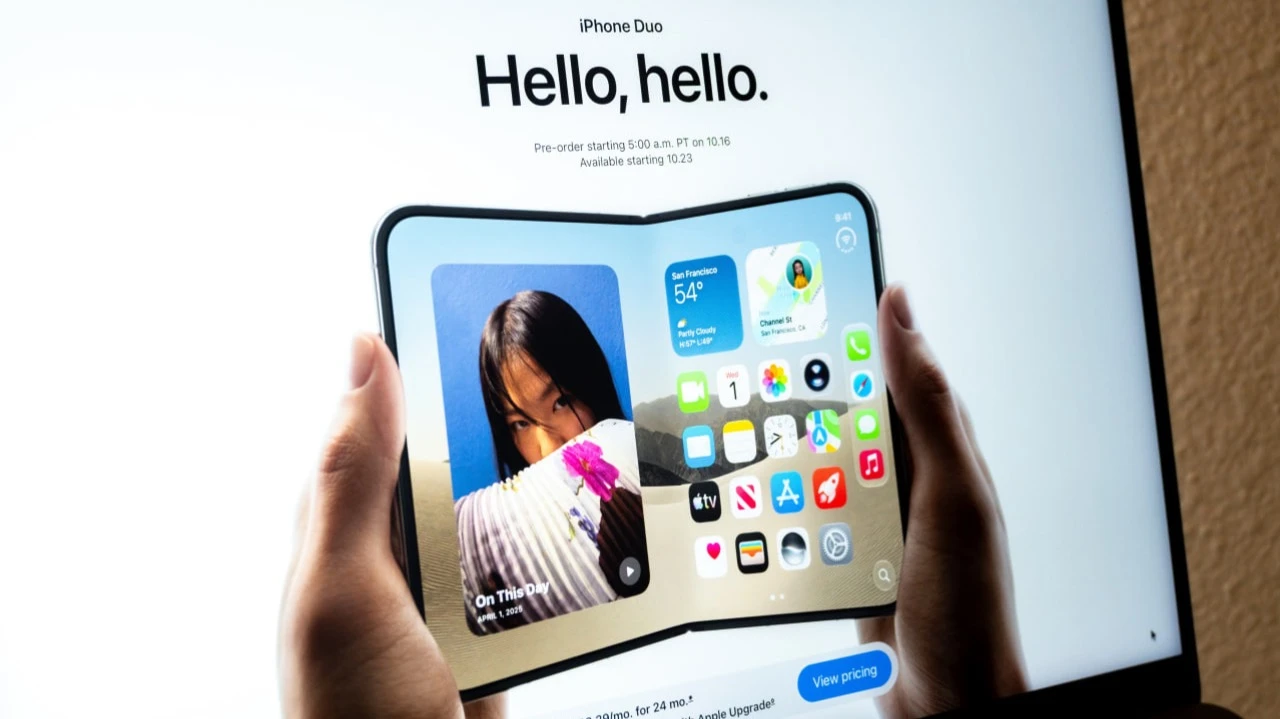
Judging by the initial orders for the foldable iPhone Duo, interest in high-end models remains strong. Within the first hour of orders opening, delivery dates for some versions were pushed back to January, though this may also be due to limited supply. With a starting price of $1,999, the switch from a Pro or Pro Max to the Duo allows Apple to earn more from each phone sold. However, this is still primarily a way to monetize its existing user base rather than expand its user base with new customers.
So it's clear that companies need new sources of growth.
Focusing on the Ecosystem
The main question in the age of AI is: Who will manage the user’s day-to-day activities? Today, the iPhone largely fulfills this role. People use it to communicate, buy goods, pay for services, and access apps. But if we start delegating a significant portion of these activities to an AI assistant, it will be the one deciding which services to use. It is crucial for Apple that this new interface remain within its ecosystem.
The HomeView smart display, unveiled on October 13 for $299, fits well into this strategy. Apple is bringing the familiar smartphone interface to the home screen, allowing users to control lighting, cameras, and temperature, as well as use FaceTime, Messages, and the family calendar. The device recognizes up to six users and retrieves personalized context from an iPhone on the same network. This both protects data and further integrates the home ecosystem with Apple’s flagship product.
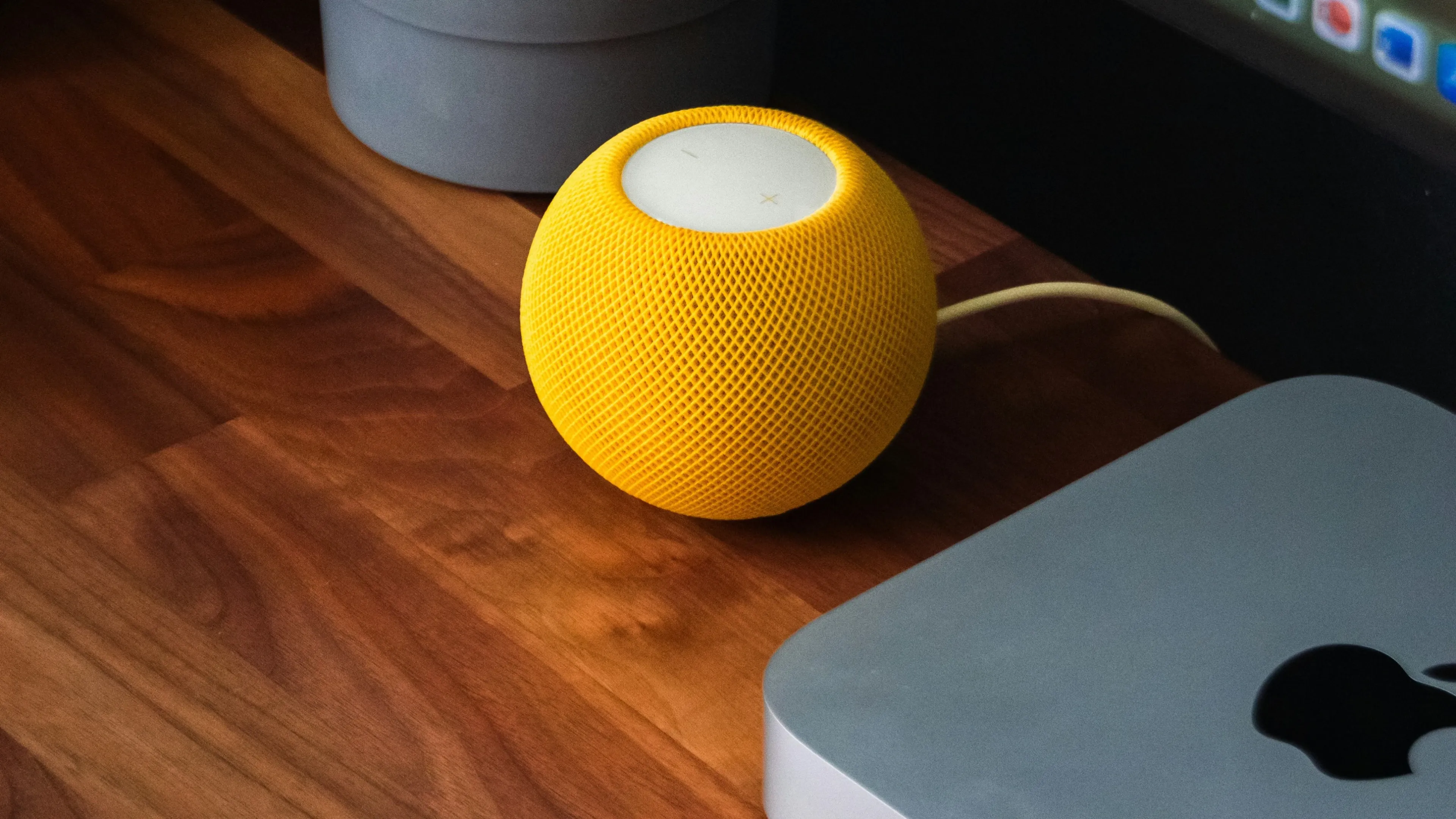
But I wouldn’t go so far as to call the smart home “the next iPhone”—that is, a new breakthrough for Apple—just yet. According to IDC, the global smart display market was valued at just $2.3 billion in 2025, compared to $2.5 billion two years earlier. For a company with a market capitalization of about $5 trillion, this category alone cannot be a significant source of growth.
Therefore, the investment value of HomeView lies primarily in what will be sold alongside it. Cameras, speakers, locks, thermostats, cloud storage, and additional AI features can increase the revenue Apple generates from a single household. The more everyday tasks a user handles within a single system, the harder it becomes to switch to a competitor.
Focus on Services
According to Bloomberg Intelligence, services account for about 30% of Apple’s sales, with a gross margin of approximately 75%, compared to 37% for products. And HomeView could very well serve as an entry point into a broader and much higher-margin ecosystem: storing camera footage requires iCloud+, and the number of cameras available and some of the smart features depend on the subscription plan.
But Apple's focus is shifting from simply generating revenue from individual subscriptions to a desire to make its entire ecosystem more useful—and to drive demand for both services and devices.
The new Siri AI, featuring more advanced generative AI, which Apple unveiled in June of this year, is becoming a key component of this system. If the assistant truly helps with everyday tasks, it makes sense to upgrade your iPhone or Mac just for it. And the more convenient it is to use, the more tasks people are willing to handle through Apple devices—at work, in the car, or at home.
And this is where Siri has a potential advantage: the assistant can better understand the user. With the user’s permission, it can link information from their messages, email, calendar, and other apps. For example, it can find a flight confirmation, gather the necessary materials for a meeting, or notice that two events in the schedule overlap. It’s in these small details that people will truly feel the benefits of AI.
Privacy makes perfect economic sense for businesses here. If a person trusts Apple with their data, they’ll be more willing to let Siri AI use it. The assistant will become more useful, and the user will have one more reason to stick with Apple when buying their next device. It’s a kind of interdependence with an ecosystem they’re already familiar with.
Over time, the company will be able to generate revenue directly from AI, including through expanded access to certain features. Apple has already indicated that some features that operate via server-based models have daily limits. Later on, users will have to pay separately for expanded access to them.
This is how Apple opens up three potential revenue streams:
— faster device updates,
— growth in service subscriptions,
— a direct fee for additional AI capabilities.
Focus on Partnerships
That said, Apple doesn't necessarily have to develop the best AI model itself.
The company had previously entered into agreements with Google and OpenAI to use their technologies to develop its own AI models, improve Siri, and introduce new features to its devices.
The idea is that, over time, good AI models will become cheaper, and it will be easier to choose between them. Then Apple will be able to source suitable technologies from partners and integrate them into its products. And it will generate revenue because users already have an iPhone, their familiar apps, saved data, and set-up payment methods.
A partnership with Google seems quite logical. Gemini’s technology helps Siri catch up to its competitors more quickly, while Apple retains control over the interface and integration with its devices. Under the terms of the agreement, Apple Intelligence will continue to operate on the company’s devices and in Private Cloud Compute while maintaining its privacy standards.
In an interview with *Time* magazine, John Turnus explains this strategy quite simply.
Our goal isn't to manufacture absolutely every single ingredient that goes into our product ourselves. We create what truly sets us apart.

From an investor’s perspective, the following point is of interest: as AI developers compete with one another, models are improving and may become cheaper. And Apple gains the ability to add more and more useful features to its devices at a lower cost. If users are willing to pay for them, and AI costs continue to fall, the company will be able to earn more from each customer.
The logic behind Apple’s collaboration with LG and Schneider Electric is slightly different. Together with them, Apple has developed a range of smart home products. These partners help the company build a complete smart home system—including cameras, locks, and thermostats—more quickly. Apple doesn’t need to develop every device from scratch itself; instead, it can focus on ensuring that everything is easy to set up and works seamlessly with its services. However, it is still unclear how the partners will split the revenue. Therefore, the total value of cameras and locks sold cannot be attributed entirely to Apple’s future revenue.
The collaboration with Meta, which was announced in October, is still in its early stages. It involves optimizing the Muse Spark Open AI model for on-device execution on the Mac Studio with Apple’s M5 Ultra chips. This demonstrates the potential of Apple Silicon as a platform for running large AI models directly on the device and could make high-performance Macs more attractive to developers.
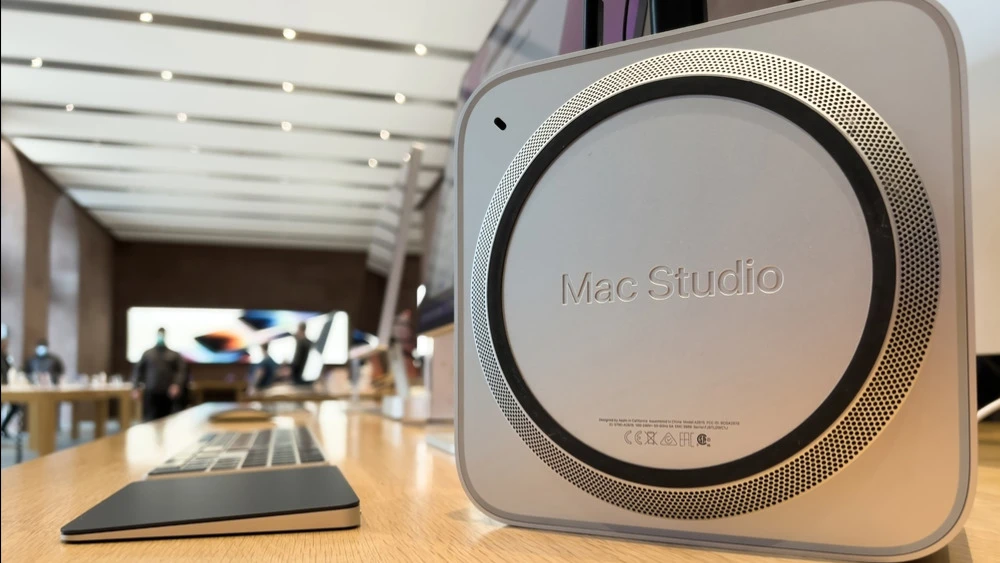
At the same time, the strategic rivalry between Apple and Meta continues. If an autonomous agent begins to select services and perform tasks on the user’s behalf, value could shift from iOS and the App Store to the owner of that agent. This is precisely why Meta could turn out to be one of the main long-term threats to Apple.
The partnership model allows Apple to limit its participation in the capital race among the largest AI developers. According to BofA’s forecast, the company’s capital expenditures in fiscal year 2027 will total approximately $13.4 billion, or just 2.5% of revenue. At the same time, free cash flow is estimated at nearly $148 billion. This leaves the company with resources for both product development and share buybacks.
A low CAPEX figure does not mean that AI comes to Apple for free. It’s just that part of the expenses goes toward development, licenses, and cloud computing costs. At the same time, memory is becoming more expensive, and John Turnus has called the resulting shortage a crisis. In-house chips and the ability to negotiate with suppliers help protect margins and curb cost increases, but they cannot completely alleviate this pressure.
What Investors Should Keep in Mind
It is important for investors to monitor how much profit Apple retains after paying for components, partners, and computing infrastructure. Growth in sales of new devices will be a compelling argument only if it is accompanied by an acceptable profit margin on those sales.
There are also limitations regarding the scale of the launch. HomeView will go on sale on November 13, so it is still too early to judge sustained demand based on actual sales. The device will not be sold in the EU, and the Siri AI assistant on this device will initially operate only in English and will be available in just eight countries. Therefore, in the coming quarters, the smart home remains more of a strategic opportunity than an independent driver of results.
The upcoming earnings report on November 2 will give investors a clearer picture of the company's current situation.
JPMorgan expects its quarterly revenue to total about $112.9 billion, up 10% year-over-year. However, comments on demand for premium iPhones, the performance of services, component costs, and AI expenses will be more important for the stock. The outlook for the quarter ending in December will be particularly significant. It will include sales of the iPhone Duo and the first shipments of HomeView.
Finally, the attractiveness of the business must be distinguished from the attractiveness of the stock. On October 26, Apple shares were trading at around $344. BofA’s target of $370 implies growth of just over 7.5% and is based on a multiple of 37 times projected earnings for calendar year 2027. This is above the upper end of the bank’s five-year earnings range of 19–35, with a median of 27.
At the same time, more cautious assessments are also appearing on the market. On October 20, it was reported that Loop Capital had downgraded its recommendation on Apple from “Buy” to “Hold” and lowered its price target from $370 to $330, citing the stock’s high valuation, lowered iPhone shipment forecasts, and risks to margins.
It turns out that the market is already largely factoring the success of Apple's new strategy into its valuation.
For the stock to continue rising significantly, the company will have to demonstrate that its entry into the smart home segment, a more useful Siri, and partnerships are indeed increasing revenue per user, driving device sales, and fueling growth in paid services.
A massive user base and tight integration of devices and services give the company a strong starting point. But given the current stock valuation, I would prefer to wait for more convincing evidence that this strategy is delivering financial results.
This article was AI-translated and verified by a human editor