Healthcare stocks have become a bet against AI. Should you buy them?
The S&P 500 Healthcare Index has gained 5% over the past month and is up 15% year-to-date, outperforming the broader market


Eli Lilly's earnings report, due out this week, could be one of the growth drivers for the S&P 500 healthcare sector / Photo: Michael Berlfein / Shutterstock.com
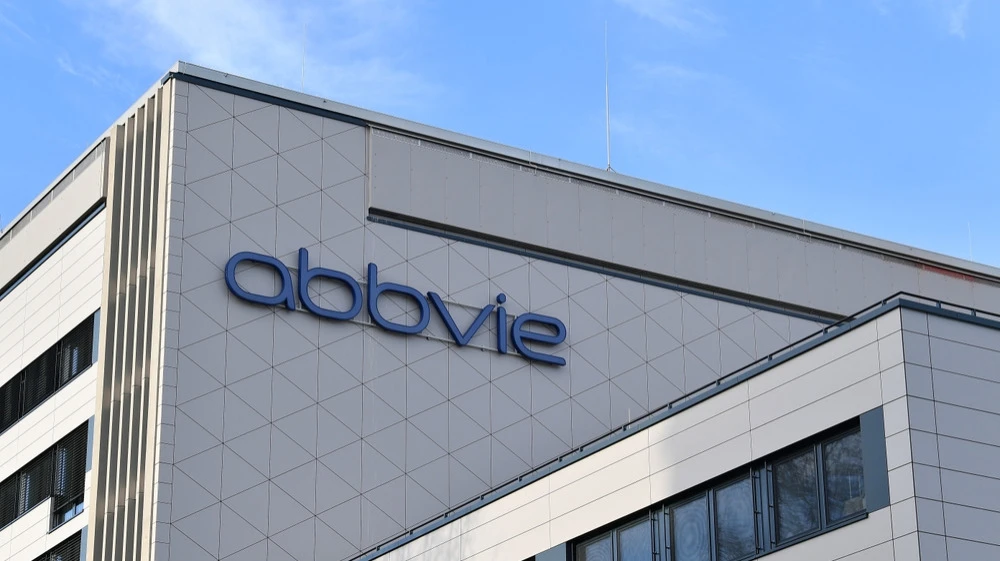
Amid waning investor confidence in artificial intelligence, traders are increasingly seeking refuge in healthcare stocks, according to Bloomberg. Since late April, the S&P 500 Healthcare Index had risen by about 23% by the close of trading on Monday, outperforming both the broader market and all other sectors—including rapidly rising tech stocks, as well as energy stocks, which have been buoyed by the ongoing conflict with Iran. Eli Lilly, AbbVie, and Johnson & Johnson were the top performers in the healthcare sector.
Details
On Wall Street, amid concerns about AI and technology, there is growing interest in the healthcare sector, according to Bloomberg. According to Baird Strategas, the macroeconomic research division of investment firm Baird, healthcare ETFs attracted about $4 billion over the 65 days ending October 19—more than funds in any other sector. Technology ETFs, by contrast, saw the largest outflow of any sector during that same period—$6 billion.
Investors are beginning to view the healthcare sector as a hedge against AI, said Matt Orton, chief market strategist at Raymond James Investment Management. According to him, healthcare stocks have recently tended to rise during sell-offs in AI-related stocks. Yet just six months ago, these stocks were significantly lagging behind the broader market. “So from a valuation perspective, [this sector] looks more attractive,” Bloomberg quoted Orton as saying. “I think many investors view it as a safe haven.”
However, in the midst of earnings season, the rally in healthcare stocks remains vulnerable, according to Bloomberg. Johnson & Johnson’s results on October 13 disappointed the market and led the sector to its worst daily performance in more than a month. Nevertheless, despite the decline, Johnson & Johnson shares are still up more than 29% year-to-date. Meanwhile, Moderna’s stock—which plummeted on October 22 following the leak of full trial data for its highly anticipated personalized melanoma vaccine—is up 570% year-to-date. Thus, despite temporary setbacks for some sector players, the S&P 500 Healthcare Index has gained 5% over the past month and 15% year-to-date, outperforming the broader market (the S&P 500 rose 0.6% and 12.7%, respectively, over the same period). Eli Lilly and AbbVie, both components of the index, have each risen by approximately 8% over the past month.
With major companies, including Eli Lilly, set to report earnings soon, Orton believes a critical moment is approaching. “If the sector’s leaders do indeed post strong results, I think the healthcare sector has room for further growth simply because this market segment has long been underinvested amid all the hype surrounding artificial intelligence,” the analyst says.
Eli Lilly is scheduled to release its third-quarter financial results on October 29.
What Else Can Support the Healthcare Sector?
Also, ahead of the U.S. midterm elections, investors are looking for sectors that will prove resilient to potential political changes in Washington. Healthcare fits the bill, according to Morgan Stanley analyst Erin Wright: she says the sector is perceived as “relatively sheltered” from regulatory noise.
On October 14, RBC Capital Markets raised its recommendation for the healthcare sector to “outperform,” while lowering its recommendation for the technology sector to “neutral.”
“I don’t think semiconductor manufacturers will remain the leaders [in terms of market momentum], so there will be sectors where capital will begin to flow out of this segment, which is currently the largest in the S&P 500,” Bloomberg quotes Wells Fargo’s chief equity strategist, Osung Kwon, as saying. “I still believe that a significant portion of this money will go into other technology sectors and healthcare,” he added.
This article was AI-translated and verified by a human editor