Asian markets took a breather following the Fed's rate hike. Will this respite last?
Stocks rose, and the sell-off in long-term bonds eased, but ING warns of further increases in Treasury yields

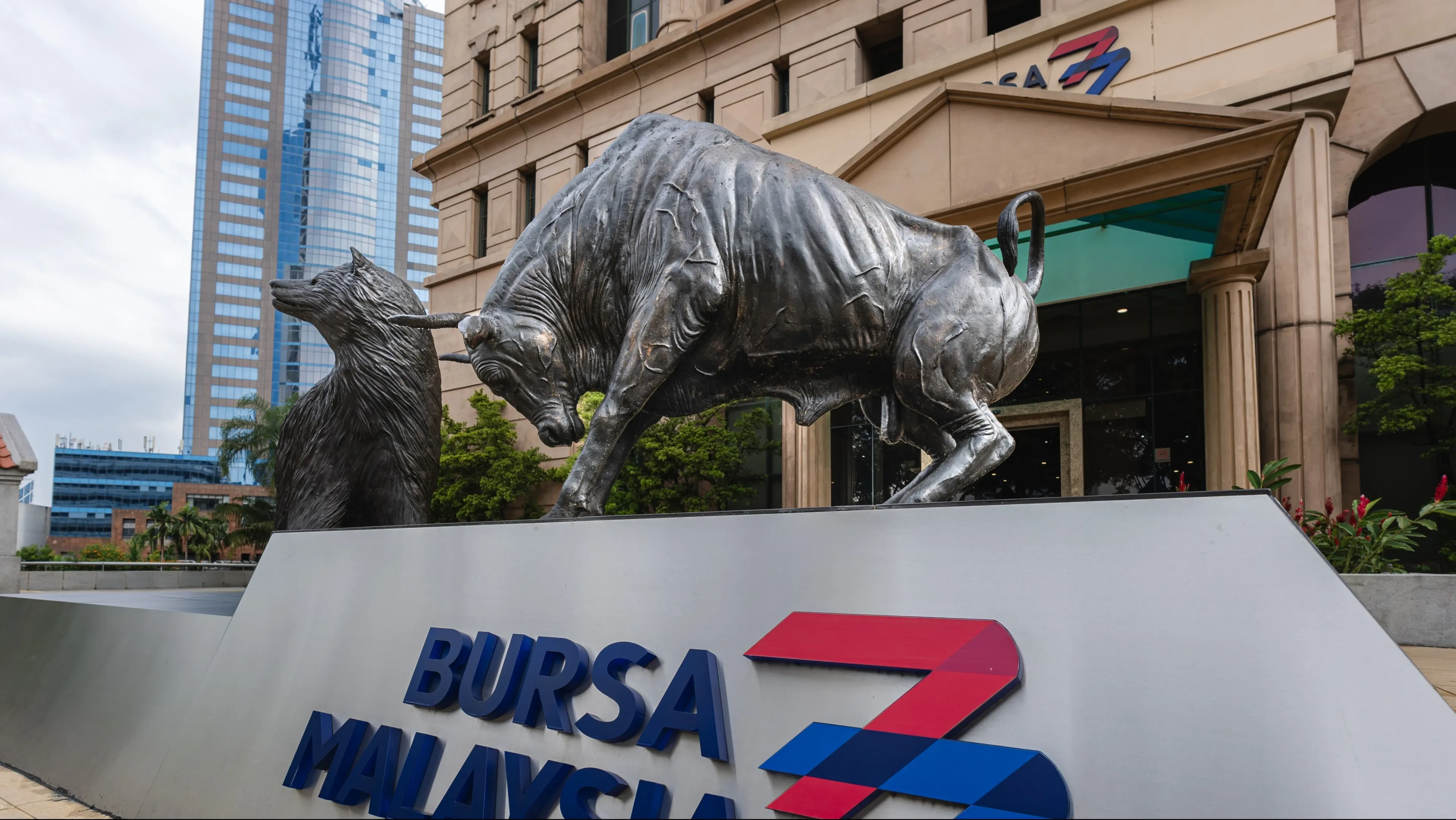
Asian stock markets rose following hawkish comments from the U.S. Federal Reserve / Photo: Abdul Razak Latif/Shutterstock.com
Asian stocks rose on the morning of September 17 following the U.S. Federal Reserve’s first interest rate hike in more than three years: investors are counting on the central bank to finally rein in inflation in the world’s largest economy, Reuters reports. Against this backdrop, the sell-off in long-term government bonds eased, and the dollar strengthened to a nearly two-month high, putting pressure on oil prices and other commodities, the agency notes.
The market is recovering
The MSCI Asia-Pacific Index (excluding Japan ) rose 0.4%, South Korea’s KOSPI gained 0.7%, Japan’s Nikkei 225 rose 0.3%, and Nasdaq 100 and S&P 500 futures each rose 0.6%. Sentiment shifted following the previous day’s decline on Wall Street: according to Bloomberg, U.S. stocks fell yesterday to their lowest level since July amid expectations of further interest rate hikes.
On September 16, the Fed unanimously raised the federal funds rate by 0.25 percentage points, to 3.75–4%. By the morning of September 17, the yield on 10-year U.S. Treasury bonds remained just below 5%, while the yield on 30-year Treasuries fell by 2 basis points to 5.33%, retreating even further from its 19-year high, according to Reuters.
ING analyst Padraig Garvey saw the moderate decline in inflation expectations as a sign that the market approved of a rate hike as a measure to curb price growth. “The speech was convincing after all,” he said, assessing Fed Chairman Kevin Warsh’s remarks. “But that won’t save long-term bonds. We see 5.25% as the next target for the yield on 10-year Treasuries” (quoted by Reuters).
The Test of High Stakes
Meanwhile, the yield on two-year U.S. Treasury bonds remained at 4.71% this morning after jumping 6 basis points the previous day—to its highest level since July 2024. This bolstered the dollar: its exchange rate against a basket of other major currencies rose 0.7% during the last trading session—to a seven-week high, according to Reuters.
The forecasts announced by Fed officials on September 16 suggest another interest rate hike this year. Futures market participants estimate the probability of such a move as early as October at 50%; prices currently reflect three rate hikes in the current tightening cycle, according to Reuters.
“We believe October is the most likely timing for the next move,” the agency quotes a note from Goldman Sachs analysts as saying. In their view, two consecutive rate hikes are consistent with the Fed’s stated intention to bring inflation back to its 2% target more quickly. “Additional rate hikes are possible, but that is not our base-case scenario,” the bank clarified.
This article was AI-translated and verified by a human editor