Major U.S. indices closed lower following the Fed's rate hike. What spooked the market?

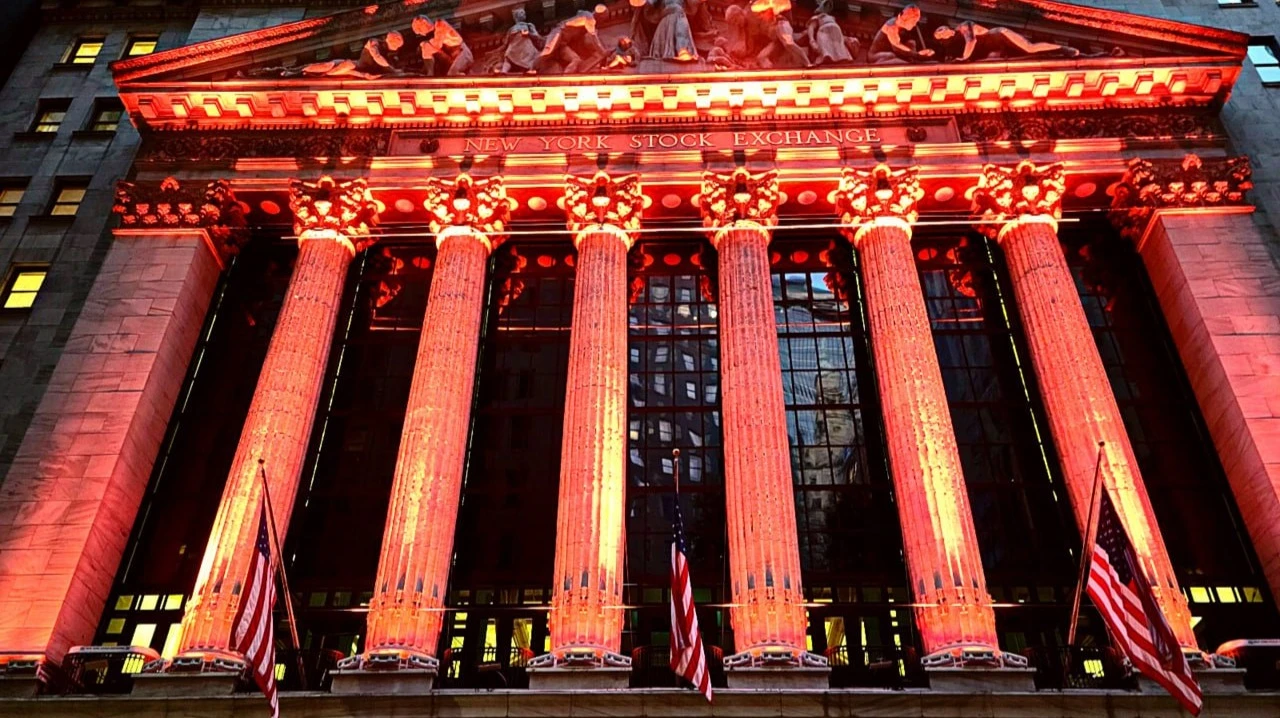
Photo: X / NYSE
Major U.S. stock indices fell at the close of trading on September 16—after the Fed raised interest rates for the first time in three years, and the median forecast indicated expectations of further tightening this year.
The Dow Jones Industrial Average, a blue-chip index, was hit the hardest—it plummeted 1.2%. By comparison, in the past, following the Fed's first rate hike, it lost an average of 0.5% over the course of a week, according to Dow Jones Market Data cited by MarketWatch.
The S&P 500 broad-market index fell 0.5%, while the tech-heavy Nasdaq Composite lost a symbolic 0.01%. The Russell 2000 index of small- and mid-cap companies declined 0.4%.
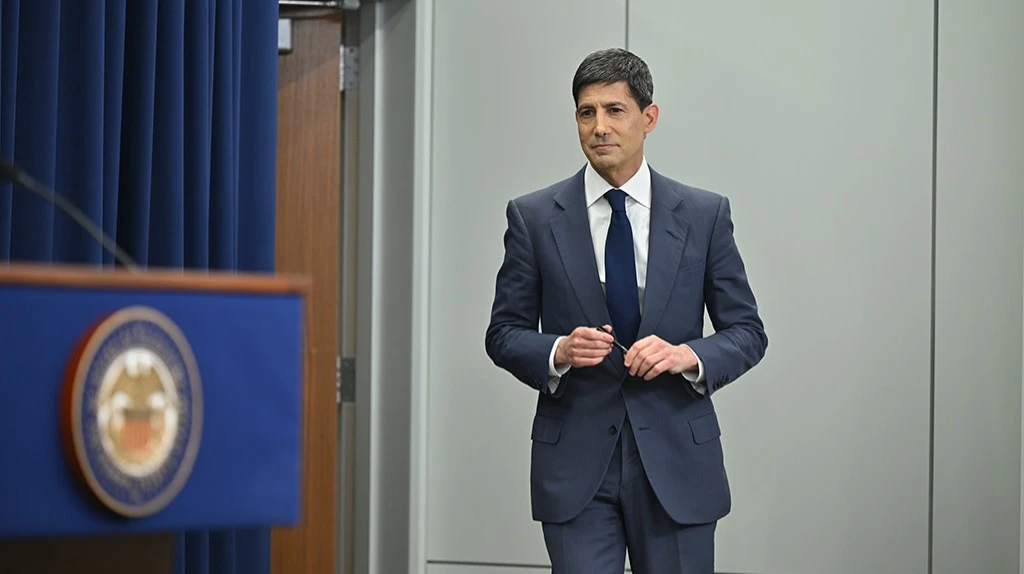
According to Bloomberg, the main source of volatility was not the regulator’s decision itself—which was in line with market expectations—but rather the press conference held by Federal Reserve Chair Kevin Warsh following the meeting. Although Warsh declined to provide guidance on the Fed’s next steps, his remarks reinforced what the agency described as a “hawkish” signal.
When asked about the factors that influenced the decision, the Fed chair cited sustained economic growth, inflation trends that “did not meet the necessary criteria,” and the geopolitical situation. At the same time, Warsh acknowledged: “We cannot influence the price of any single commodity—whether it be oil or groceries. But what we can and will do is ensure that this does not lead to broader price increases.”
This news story is being updated.
This article was AI-translated and verified by a human editor