Bets on a stronger U.S. dollar have risen at the fastest pace in eight years
The volume of "bullish" bets on the U.S. dollar has reached its highest level in more than a year—traders are once again placing their faith in "American exceptionalism," according to the Financial Times

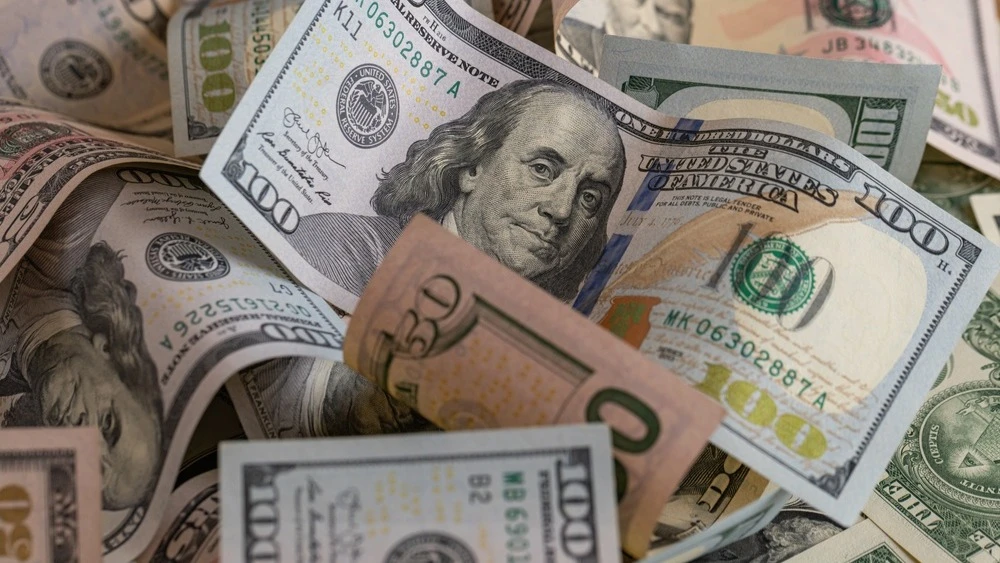
Global investors are flocking back to the U.S. dollar. Photo: Ruslan Lytvyn/Shutterstock
Global investors are flocking back to the U.S. dollar, according to the Financial Times. Last week, the number of bets on a stronger U.S. dollar in the futures market rose at the fastest pace since 2018, hitting a more than one-year high, according to data from the Commodity Futures Trading Commission (CFTC). At JPMorgan, this surge is attributed to investors regaining faith in “American exceptionalism.”
What is driving the optimism about the dollar?
Since the start of the war in the Middle East on February 28, the U.S. dollar has risen by more than 2% against a basket of other currencies, the FT notes. Investors had predicted that the U.S. economy was better prepared for a sharp rise in energy prices than, for example, Europe and Asia. However, the prospect of an end to the conflict only slightly weakened the dollar.
Investor interest in the U.S. dollar has returned, in part due to a rebound in U.S. stock markets, which was driven, among other things, by SpaceX’s IPO and the hype surrounding AI, the FT notes, emphasizing that this situation contrasts with the period last year, when U.S. President Donald Trump’s trade policies undermined confidence in the de facto global reserve currency. “If you’re a foreign investor, you may not like U.S. policy or the [U.S.] administration, but how much are you willing to sacrifice in returns given the risk?” asked Stephen Engländer, head of G10 currency research at Standard Chartered.
However, in his view, it is not just the stock market surge or the war in Iran that bodes well for the U.S. dollar: “The U.S. economy is doing well, and concerns about the labor market have proven to be overblown,” he added.
The fact is that the optimism regarding the U.S. dollar is driven, in part, by a dramatic shift in investors’ assessments of the U.S. economy since the start of the year, the FT explains. In January, traders were betting that the Fed would be forced to cut interest rates two or three times this year as inflation and the labor market cooled. However, that slowdown did not materialize. In May, 172,000 jobs were created in the U.S., more than double Wall Street’s expectations. Inflation also rose—and not just because of the closure of the Strait of Hormuz, which pushed oil prices higher, the newspaper notes. The U.S. Department of Labor reported that core inflation, which excludes food and energy prices, rose to 2.9% in May from 2.8% in April. This has led traders to believe that the U.S. Federal Reserve’s (Fed) next move will most likely be a rate hike, even despite the signing of a truce between the U.S. and Iran, the FT concludes.
On June 17, the U.S. Federal Reserve—under Kevin Warsh’s leadership for the first time—will announce its interest rate decision. The FT notes that the Fed is expected to drop any hint of a possible policy easing in its latest forecasts on Wednesday.
This article was AI-translated and verified by a human editor