Billionaire investor Mike Novogratz calls AI 'biggest bubble of our lifetime'
The prominent investor believes the bubble could take several more years to burst and identifies beneficiaries of the ongoing rally

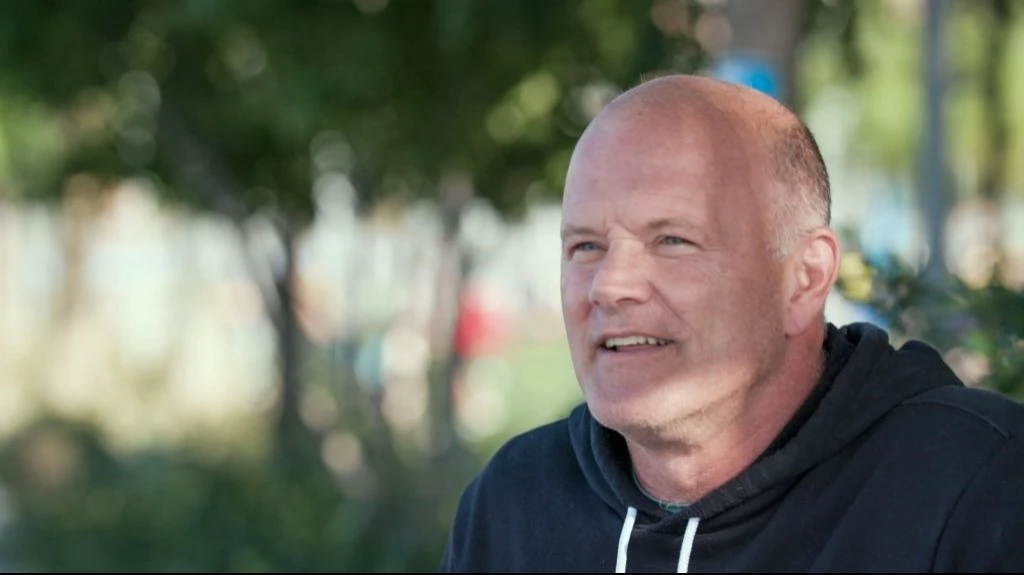
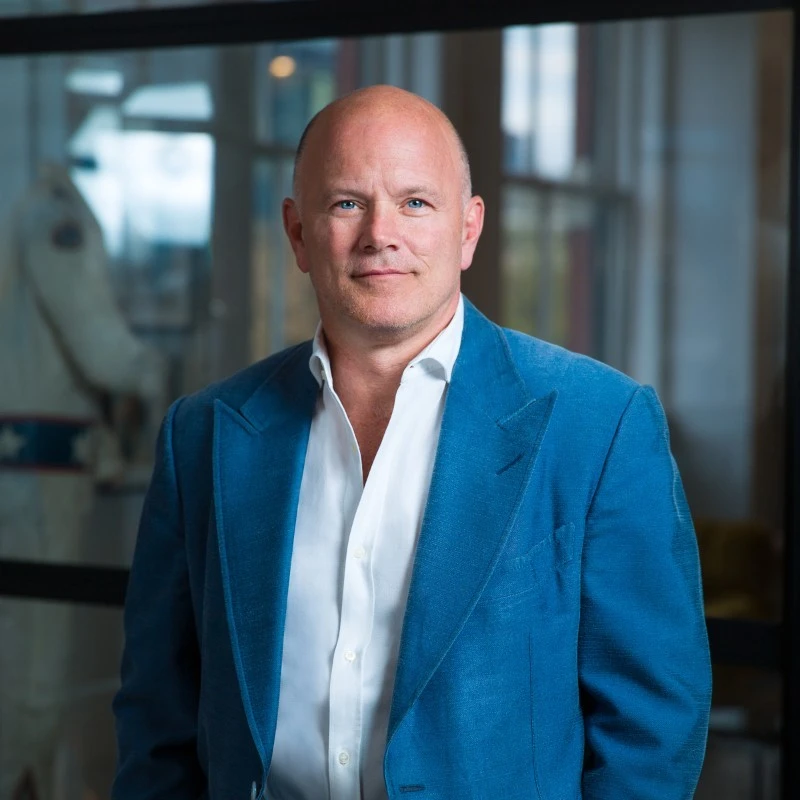
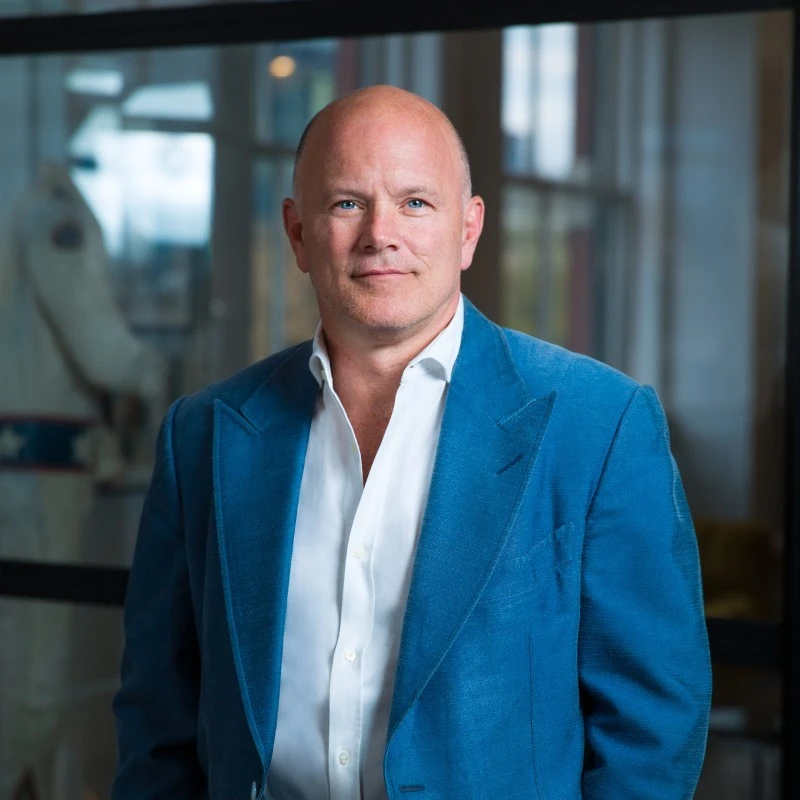
Despite the risks, Novogratz believes investors should maintain their exposure to tech for now / Photo: Getty Images/Getty Images for Friends of Hudson River Park)
The frenzy around AI is unquestionably a bubble, Galaxy Digital founder and former Goldman Sachs partner Mike Novogratz said on the Money Rehab podcast. He believes the market could keep rising for several more years and sees little point in sitting out the rally while money continues to flow in. Still, the investor, whose net worth Forbes estimates at $4.6 billion, acknowledges that it is impossible to predict exactly when the bubble will burst. What does he recommend investing in?
'Biggest bubble of our lifetime'
The AI bubble is already here and will inevitably grow, Novogratz believes. New technologies always attract speculative enthusiasm, which can emerge long before those innovations bring about real change. At the peak of the dot-com bubble in 1999, for example, people were still talking about the internet more than actively using it, yet investors were already snapping up internet stocks, he continued.
Yet, we peaked and we didn't go back to the same high in the Nasdaq for 16 years. The railroad bubble is the same way. The AI bubble is a bigger story than railroads. It's a bigger story than the internet. It's a bigger story than crypto was. It's the biggest story of our lifetime and therefore it will be the biggest bubble of our lifetime.
The steady stream of new products reinforces investors’ confidence in AI’s potential, Novogratz argues. The market is currently impressed by Meta’s personal AI agent Muse and awaits similar products from Amazon and Google, which could prove even more effective. He believes AI has enough potential to sustain market interest for several more years.
I just don't think this AI bubble is finished yet. And I don't know if that means Nvidia [gets to] $10 trillion before it crashes.
For now, however, he thinks stocks have yet to experience the explosive surge that typically precedes the collapse of a speculative bubble. In his scenario, the first signal would be a sharp 20-25% drop in the Nasdaq, followed by a rebound as investors buy beaten-down stocks, and then another downturn. “When it rolls again, you know it's over,” Novogratz said.
How can investors make money?
Despite the risks to the U.S. economy and the threat of the AI bubble bursting, Novogratz argues that investors should maintain their exposure to tech for now. He sees opportunities for further gains in several areas:
Big Tech. Novogratz recommends staying invested in the Magnificent Seven and hyperscalers building AI infrastructure. He believes they continue to generate enormous profits despite concerns about their lofty stock valuations. He singled out Meta, whose stock he considers undervalued. He expects it to rise by around another $100 per share. Meta stock currently trades at around $750 per share.
South Korean memory-chip makers. Novogratz finds Samsung Electronics and SK hynix attractive as they benefit from growing demand for AI memory. Their stocks are cheap relative to earnings, trading at around three times annual profit, he said. He believes a company’s ability to earn the equivalent of its market capitalization in just three years provides investors with some downside protection. He also suggests considering the Kospi index, in which these companies account for a substantial weighting.
Cybersecurity. Novogratz believes cybersecurity companies will be among AI’s biggest beneficiaries. He has encountered restrictions on using the new technology himself: security requirements at the company he runs mean he can use the Muse AI agent only on his personal phone.
Private AI companies. Privately held companies developing AI and the infrastructure it needs can currently deliver outsized returns, in his view. Galaxy, for example, invested in chipmaker Etched, which is developing a chip faster than Nvidia’s offerings.
AI’s macro impact
The AI bubble is nearing its peak and will begin to burst as interest rates rise further, Bridgewater Associates founder Ray Dalio said in early October. Rising rates will push the U.S. into a debt spiral in which the government will have to borrow more to contain the growth of its budget deficit, he argues. Novogratz expresses his concerns but also argues that AI’s development could support the U.S. economy.
Our only real hope that Ray is wrong, our only real hope that the U.S. doesn't go bankrupt is AI works. That AI can deliver four or 5% growth with 2% inflation.
Massive investment in AI infrastructure is currently one of the factors fueling inflation, Novogratz believes. But once data centers have been built and AI is widely deployed, productivity gains could lower companies’ costs and make goods and services more affordable.
For America to get out of the $41 trillion debt, we need AI to work.