Meta's Muse agent could become the second-most-popular AI after ChatGPT — JPMorgan
Integrating an AI agent into gadgets is a big gamble, but it’s not a sure thing, according to Evercore

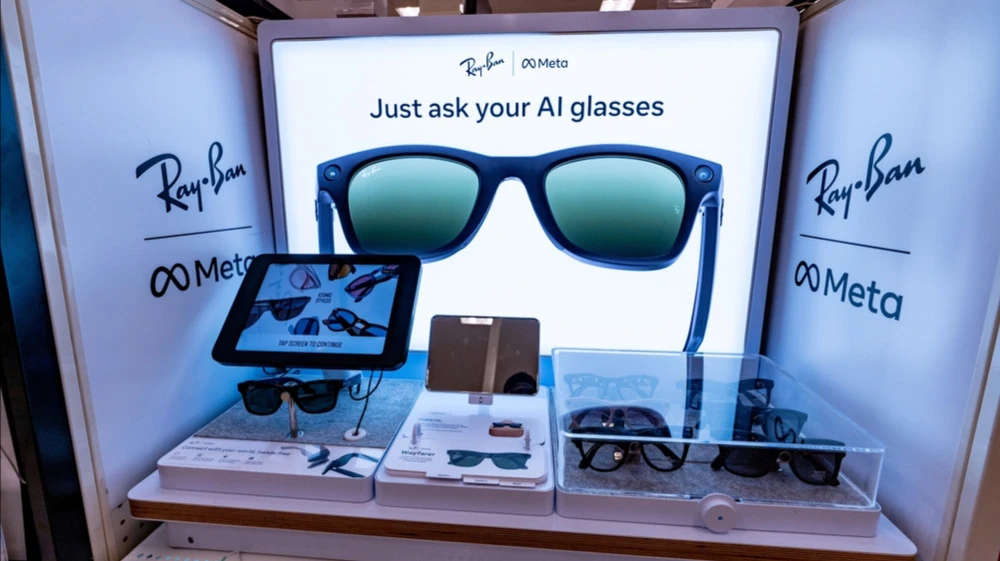
Meta plans to integrate its personal AI assistant, Muse, into the popular Ray-Ban Meta sunglasses / Photo: PJ McDonnell / Shutterstock.com
JPMorgan analysts believe that Meta’s AI-powered agent, Muse, could become “the most widely used consumer AI application since ChatGPT.” They wrote about this following a presentation at the Meta Connect conference on wearable devices into which the agent is slated to be integrated, according to MarketWatch. One such device— the Muse Charm, a keychain for interacting with an AI assistant that resembles a Tamagotchi—will go on sale in December. There are also plans to integrate Muse into Meta’s popular Ray-Ban sunglasses.
However, the unveiling of new AI-powered wearable devices has not yet given investors an “immediate catalyst,” according to Evercore. Nevertheless, the company’s stock jumped nearly 5% the day after the annual Meta Connect conference.
Details
Muse could become “the most widely used consumer AI application since ChatGPT,” according to JPMorgan analyst Doug Anmuth. The bank believes that, over time, Meta will be able to monetize user purchases made through the AI assistant by charging a commission on transactions.
Meta has a unique opportunity to offer the Muse assistant and new wearable devices to the 3.6 billion people who use its services every day, according to Evercore analyst Mark Mahaney. However, Meta CEO Mark Zuckerberg’s presentation at Meta Connect, according to the analyst, did not give investors an “immediate reason to act.” In particular, Mahaney felt there wasn’t enough new data on Muse’s adoption. He would also like to see more information about Meta Business Agents—AI assistants that automate companies’ interactions with customers and sales.
“Until now, consumers have been reluctant to move the shopping process directly to chatbots,” Wedbush analyst Igal Arunyan wrote on Thursday, according to MarketWatch. However, once Muse becomes available in various formats, user behavior may change, the analyst emphasizes.
Meta’s plan to keep Muse free for the vast majority of users while charging a small commission on transactions made through an agent provides the company with a clear way to monetize the service, notes William Blair analyst Ralph Shakart. “We believe that, over time, this approach could create a significant new source of revenue,” he wrote in a note cited by MarketWatch.
What about the stocks?
Shares of the AI developer that owns the social media platforms Facebook and Instagram rose 4.5% to $777.59 during trading on Thursday, September 24.
Thanks to the Muse agent, Meta has had its best month in 13 years: since September 1, the company has grown by 6%.
Context
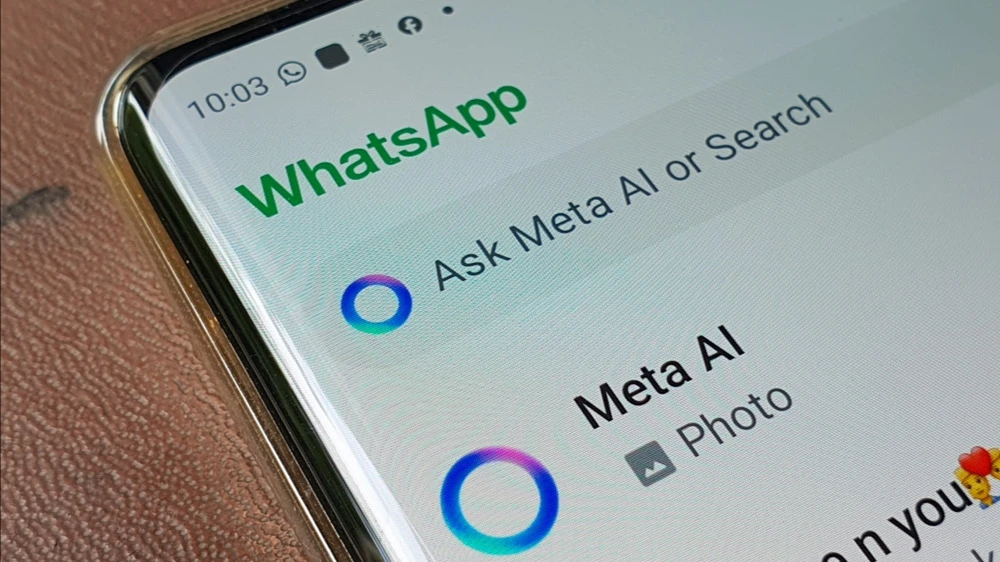
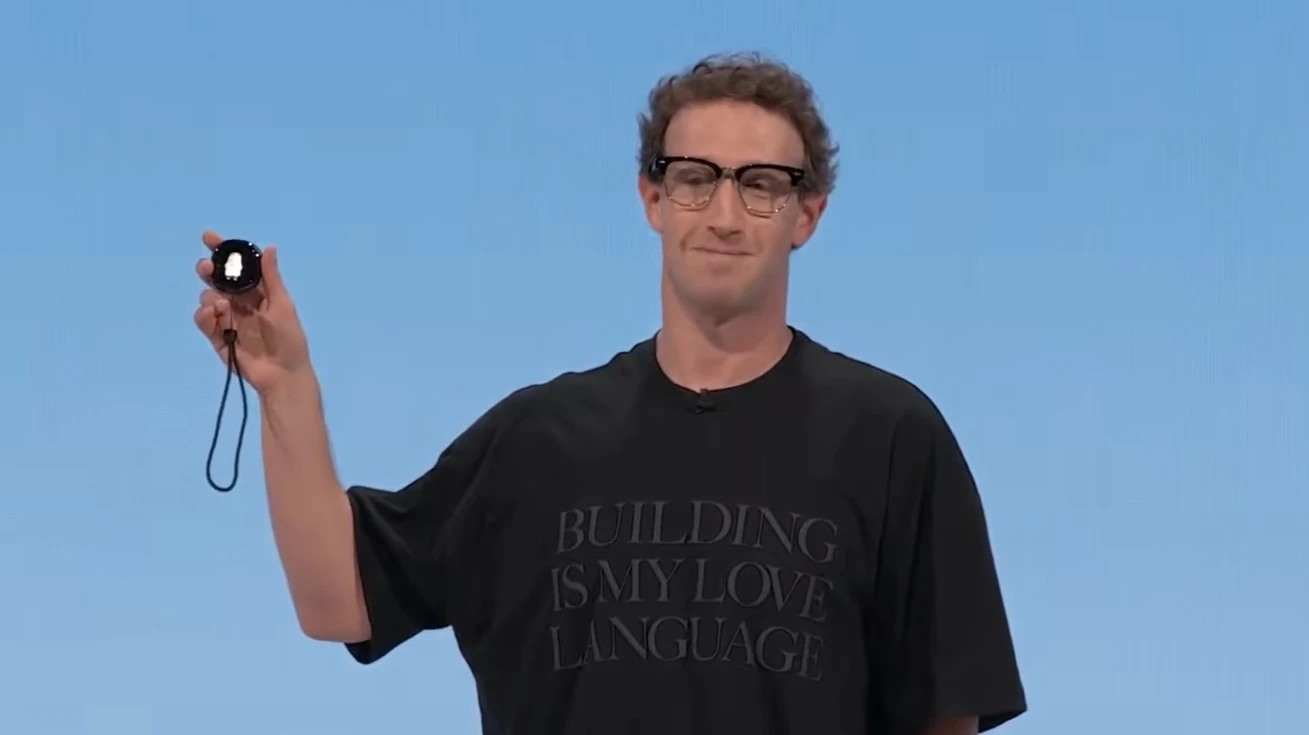
At the Meta Connect conference on Wednesday, Zuckerberg unveiled Muse alongside the company’s new devices, including the Ray-Ban Meta (Gen 3) AI glasses and their simplified, camera-less version, the Ray-Ban Meta Audio. Zuckerberg also demonstrated the Muse Charm, a keychain-sized device resembling a “Tamagotchi” that is designed to interact with the AI assistant without the need for a smartphone. The company expects Muse to be accessible through these devices and the Meta Glasses lineup. However, for now, the assistant only works as a phone app, notes MarketWatch.
So far, Meta’s success in the wearable devices market has been mixed, according to MarketWatch. Ray-Ban glasses helped the company become a leader in the niche smart glasses market, even before the launch of Muse. However, the publication notes that heavier and more expensive virtual reality devices have proven harder to sell. The division that produces the popular Ray-Ban glasses and VR headsets is currently only generating losses for Meta.
Meta also announced that its AI agent can now connect to Walmart, Best Buy, Sephora, and Wayfair via special “connectors.” Amazon, for example, does not allow the agent onto its marketplace—the world’s largest.

This article was AI-translated and verified by a human editor