The price of gold rose above $4,400. Citadel identified a rare combination of factors driving the rise
The largest U.S. market maker recommended holding gold in portfolios for the first time in 2026

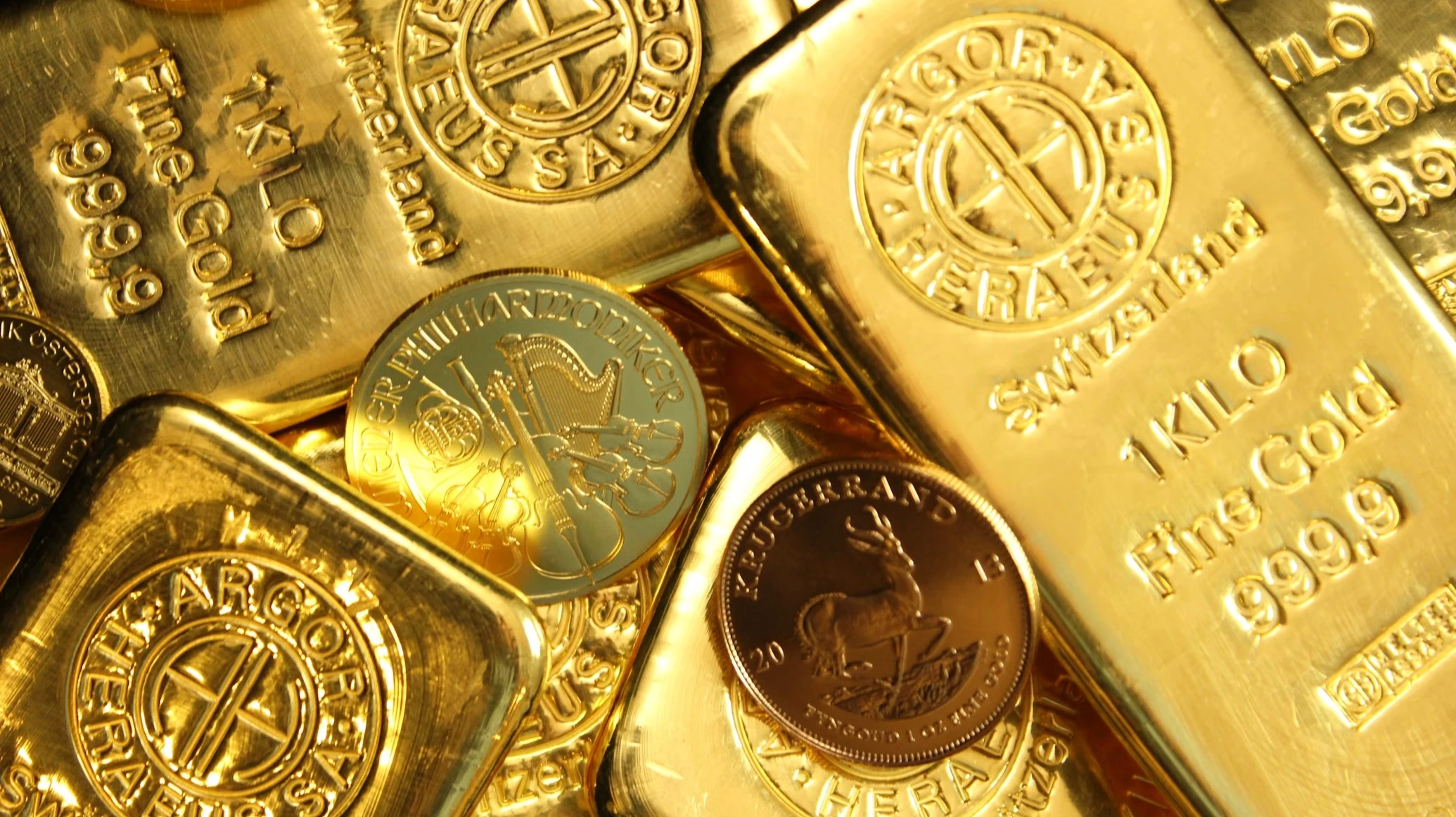
Last week was gold's best since January / Photo: Unsplash / Zlataky
On August 11, gold rose to a two-month high, surpassing $4,400 per ounce. Citadel Securities, the largest retail market maker in the U.S., identified a rare combination of five price catalysts and, for the first time in 2026, advocated for a long-term position in the metal.
The rally is gaining momentum
During Tuesday's trading session, the price of gold rose 1% following a 3.6% gain over the previous two sessions. Bloomberg notes that the recovery is being driven, in part, by buyers stepping in during pullbacks and an inflow of funds into Chinese gold-backed ETFs.
“Since March, gold has been in a downward spiral, but it is now beginning to break out of it,” the agency quotes Vantage Markets analyst Hibi Chen as saying. The metal’s ability to rise in price alongside oil and the dollar means that traders “are starting to view it from a different perspective,” she emphasized.
Did the stars align?
Against this backdrop, Citadel has recommended for the first time since the start of the year that investors hold gold in their portfolios on an ongoing basis, according to Kitco. "The market is presenting 'one of the most compelling cases for a rally that we've seen in precious metals in recent months,'" said Citadel strategist Scott Rubner.
He identified five growth factors right away: easing expectations regarding the Fed’s interest rate, an acceleration in gold purchases by central banks, net short positions held by CTA funds, option premiums signaling an uptrend in the largest gold and silver ETFs, and the potential return of retail investors.
It is in the retail sector that the Citadel strategist sees the most undervalued asset. “While the focus on AI has dominated, retail investors have paid almost no attention to precious metals. If this momentum gains strength, their activity could increase significantly,” he wrote.
A Correction, Not a Reversal
Sprott, an investment firm specializing in precious metals, also does not view the pullback in gold and silver from their January record highs as a reversal of the long-term trend. “Gold and silver have pulled back from their January highs, but the key macroeconomic and structural factors continue to work in their favor,” Kitco quotes Sprott Managing Partner Maria Smirnova as saying.
Sprott believes that favorable fundamental conditions are also supporting gold producers’ stocks. “Their balance sheets are in good shape; they continue to return capital to shareholders through dividends and share buybacks, and the ongoing consolidation in the industry demonstrates how strategically important high-quality assets and replenishing reserves are,” said Smirnova. “Valuations are still lower than in past cycles, but the sector’s fundamentals continue to look better than is reflected in current stock valuations.”
Inflation Adjustment
On August 12, U.S. consumer price data for July will be released. A slowdown in inflation could ease the Fed’s concerns, while rising energy prices would increase the likelihood of a rate hike, which is negative for gold, according to Bloomberg. Geopolitics is adding to the uncertainty: U.S. President Donald Trump issued new demands to Iran on August 10, reducing the chances of a peaceful deal.

There is a path back to $5,000 per ounce, but it won’t be a quick one, said David Miller, co-founder of Catalyst Funds, in an interview with Kitco: “I think you’ll see $5,000 per ounce again, but the recovery could take two to two and a half years.” For now, the metal is trading 16% below its pre-war levels.
This article was AI-translated and verified by a human editor