Musk predicted a "mass extinction" of non-cloud-based companies

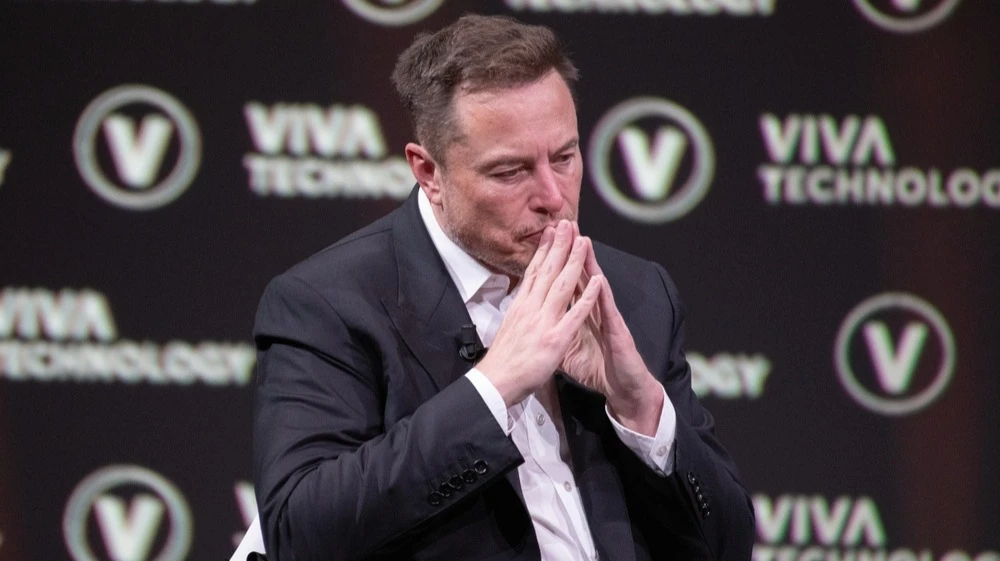
Elon Musk Predicts Mass Extinction of Non-Cloud-Based AI Companies / Photo: Frederic Legrand - COMEO / Shutterstock.com
SpaceX CEO Elon Musk offered a bleak outlook on the future of "neo-clouds"—cloud companies such as CoreWeave and Nebius that specialize in providing computing power for artificial intelligence.
Details
Musk announced that SpaceX has secured $40 billion in debt financing. The funds will primarily be used to pay for Nvidia graphics processing units. He explained that, despite a sharp deterioration in lending conditions for AI infrastructure developers, SpaceX was able to secure these funds thanks to its investment-grade credit rating and stable revenue from rocket launches and the Starlink satellite internet service. “Over the past few weeks, the debt markets have almost completely cut off access to capital for any company without significant revenue that isn’t dependent on AI data centers,” Musk added.
In light of this, he predicted dire consequences for the industry: “This means that more than 200 non-cloud-based companies are facing consolidation and mass extinction—they’ll go under like small fish. Only a few will survive.”
The billionaire warned that the market will face a large amount of unused computing capacity in unfinished data centers. This refers to equipment that is already ready for operation but cannot be used because the data center infrastructure does not yet allow it to be connected.
The head of SpaceX has no intention of getting involved in the rescue. In response to another X user’s suggestion that Musk is trying to drive down the stock prices of non-cloud companies so he can buy them up cheaply later, the billionaire replied: “SpaceX has no plans to buy any non-cloud companies. There’s no point in that.”
What Happens to Neoclodes?
Musk’s warning came amid a plunge in the stock prices of non-cloud providers due to investor concerns about the high debt burdens of these companies, which are taking out large loans to build data centers and purchase expensive equipment. Over the past month, CoreWeave’s stock has fallen by about 37%, while Nebius’s has dropped by 30%.
While IT giants can rely on cash flows from their existing businesses, smaller providers are critically dependent on consistent access to credit, according to Seeking Alpha. The market is skeptical that AI revenues will grow fast enough to justify the massive investments and ensure repayment of accumulated debt. Otherwise, a wave of cloud computing bankruptcies could hurt demand for processors from Nvidia and other chipmakers, the publication predicts.
The pressure on CoreWeave's bonds has already sparked concern across the entire technology sector due to the close ties between major corporations, MarketWatch adds.
According to a forecast by Bernstein Research, as reported by Business Insider, only about 35% of the planned data center capacity will be built in the U.S. The largest tech companies—Amazon, Google, Meta, and Microsoft—will most likely be able to carry out their projects thanks to their experience in building and operating such infrastructure. However, according to Bernstein, the plans of new market entrants are far less realistic. To describe the situation, analysts used the ironic term “bragawatts”—a portmanteau of “brag” and “watts”—referring to the grandiose promises to build massive computing capacity that are unlikely to be fulfilled.
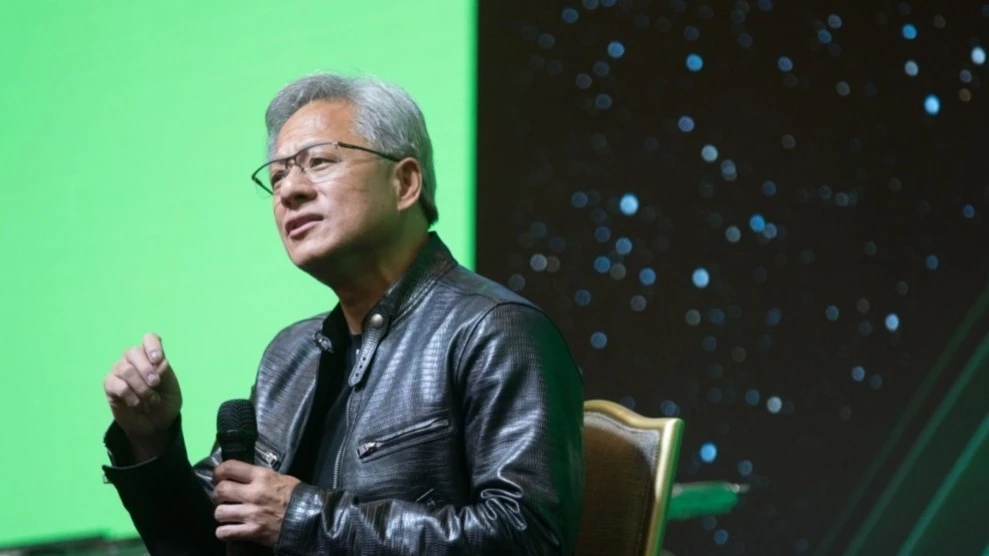
Meanwhile, Jensen Huang, the CEO of Nvidia—the leading beneficiary of the AI boom—claims that demand for cloud infrastructure is “through the roof.”
This article was AI-translated and verified by a human editor