WSJ: 'Weak links' suffer first as high-yield bond market all but closes to neoclouds
Nebius shelved its first-ever high-yield bond offering

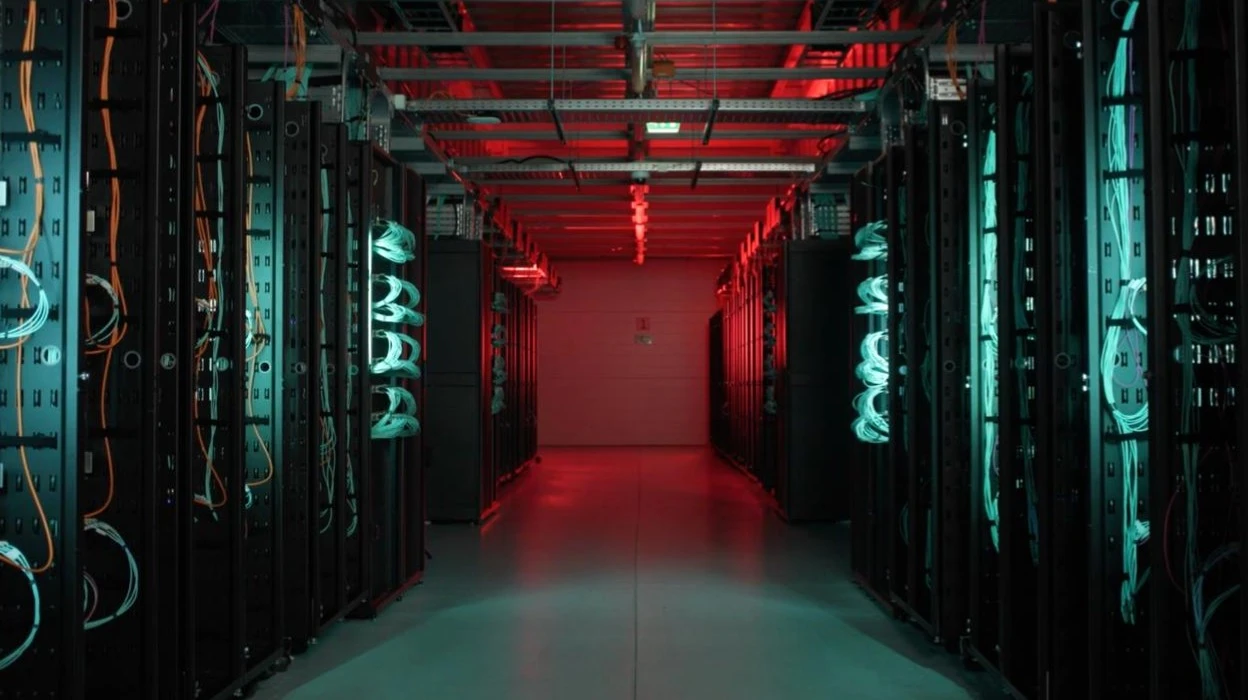
Nebius prepared its first high-yield bond offering this year but ended up shelving it / Photo: Nebius
Lenders and investors are growing more selective about which AI infrastructure projects they finance and are demanding tougher terms from borrowers, the Wall Street Journal reports. Even large companies such as Broadcom have had to offer banks better terms to secure loans. So-called neoclouds such as CoreWeave, Nebius, and Nscale, which borrow heavily to build data centers and sell computing power, have effectively been shut out of the bond market in recent weeks, people familiar with the matter told the Journal.
Details
AI cloud infrastructure provider Nebius spent the summer and early autumn preparing for its first high-yield bond offering and meeting with fund managers, people familiar with the matter told the WSJ. In September, however, lenders around the world began reassessing construction risk after the Fed raised interest rates and Oracle issued a force majeure notice on a New Mexico data center project, seeking to defer rent payments if the facility was delayed. CoreWeave bonds issued earlier this year with a 9.75% coupon rose to a yield of more than 15% in the secondary market.
Nebius dropped plans for the high-yield bond offering. CEO Arkady Volozh said the company was having to get increasingly creative to secure the capital it needed for construction, including by seeking advance payments from customers.
Speaking at a conference in Berlin in October, Volozh said some sources of capital, including asset-backed and debt markets, had probably become temporarily unavailable the previous week. He said Nebius was working with customer advances and several other financing instruments that would probably give it enough money to build at least that gigawatt of capacity.
Nebius COO Ophir Nave said the asset-backed financing market remained open despite Volozh’s comments and that the company planned to tap it in the future. Whether Nebius issues high-yield bonds will depend on interest rates and the terms it can secure, he said.
Since 2024, Nebius has sold about $2.7 billion worth of stock to Nvidia and other investors and issued billions of dollars in convertible bonds to expand its AI operations.
Other Nebius rivals are also running into difficulties. Start-up Lambda cut its target valuation for a pre-IPO funding round to $13 billion from $14.5 billion after some prospective investors decided against participating, people familiar with the matter told the WSJ. UK provider Nscale is leaning toward moving its IPO to December from November because of market turbulence, people familiar with its plans told the Journal.
Context
U.S. AI-related corporate debt issuance totaled $394 billion in 2025 and $655 billion through mid-October this year, according to BofA. Analysts forecast around $1 trillion in new issuance next year. Neocloud providers are among the most active borrowers in capital markets and are the most vulnerable to rising interest rates because their borrowing costs were already high before the recent market turmoil.
Pimco CIO Dan Ivascyn said borrowers increasingly have to show lenders that their investments will generate enough revenue. “The weak links are going to suffer first.”
The largest hyperscalers – Meta, Amazon, Alphabet, and Microsoft – have high credit ratings. But after many of them issued large amounts of investment-grade debt this year and signaled more offerings to come, investment funds, insurers, and pension funds grew concerned about having too much exposure to one sector, the WSJ writes.
“There’s just the practical question of, how full can investors get on one name, or one theme?” Ivascyn said.
Creditworthy borrowers can still raise money, the WSJ notes. Last week, SpaceX announced what was then the largest-ever financing for AI chips, a $40 billion package to buy Nvidia’s latest chips. The record lasted only a few hours. Chipmaker Broadcom sealed a $63 billion deal to finance chips that Anthropic will lease. Even that deal showed signs of strain. Broadcom CEO Hock Tan had to step in at the last minute to negotiate terms with bankers, people familiar with the matter told the WSJ.
Investor nerves are showing up in the stock market as well. Tech earnings last week triggered a selloff in AI-related stocks and bonds. Google parent Alphabet lost about $500 billion in market capitalization on October 29, its biggest wipeout on record. Revenue growth in its core search business slowed as spending on AI infrastructure continued to climb. Chipmaker Intel fell 29% on October 30 after reporting weak demand in its personal computer business, while the Nasdaq Composite dropped 2.9% in its worst session since June. If volatility persists, raising money could become even harder, the WSJ reckons.