Brent crude fell below $90: The U.S. and Iran have suspended their exchange of strikes
RBC Capital Markets warned that betting on further price declines is risky

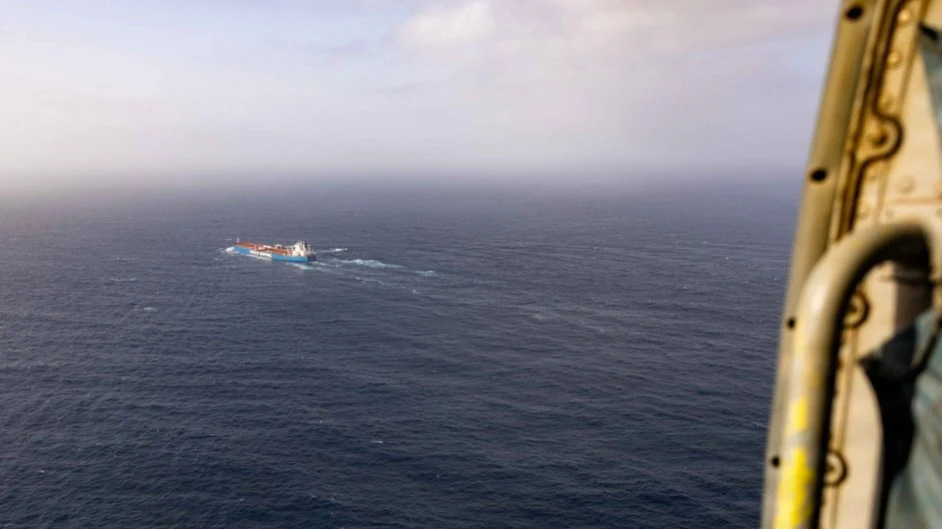
Washington has not reported any airstrikes against Iran since the attack on the night of July 23 / Photo: X/CENTCOM
Oil prices fell sharply after the U.S. and Iran halted their exchange of strikes in the conflict over the Strait of Hormuz. A two-week escalation had previously pushed prices above $100 per barrel, but the absence of new attacks has eased concerns about supplies from the Middle East, according to the Financial Times and CNBC. Analysts, however, caution against betting on further declines: the strait is effectively closed to shipping, and they do not expect traffic to resume anytime soon.
Details
September Brent futures fell 7.4% during trading on July 27, dropping below $90 per barrel, before recouping some of their losses. The market reacted to reports of a suspension of hostilities in the Persian Gulf. WTI contracts for September delivery fell 7% to $83.10.
Iran is prepared to refrain from new attacks provided that the U.S. does not resume its airstrikes, a senior official in Tehran told Reuters. Washington has not reported any airstrikes on Iran since the attack on the night of July 23, and Iranian forces have not attacked U.S. bases in the region since July 24, the Financial Times notes.

U.S. Permanent Representative to the UN Mike Waltz stated that U.S. President Donald Trump is “giving the negotiations some breathing room” before deciding whether to resume the strikes. According to CNBC, Washington suspended the airstrikes after warnings from the president’s advisers: the military had fewer and fewer suitable targets left, and continuing the campaign could deplete U.S. missile stocks.
A Deceptive Lull
Although the U.S. and Iran have stopped attacking each other, the Strait of Hormuz—through which about one-fifth of global seaborne oil transit passed before the war—remains effectively closed to shipping, the FT notes. Rising tensions between the Yemeni Houthis and Saudi Arabia pose an additional threat to shipping, as they could disrupt supplies through the Red Sea.
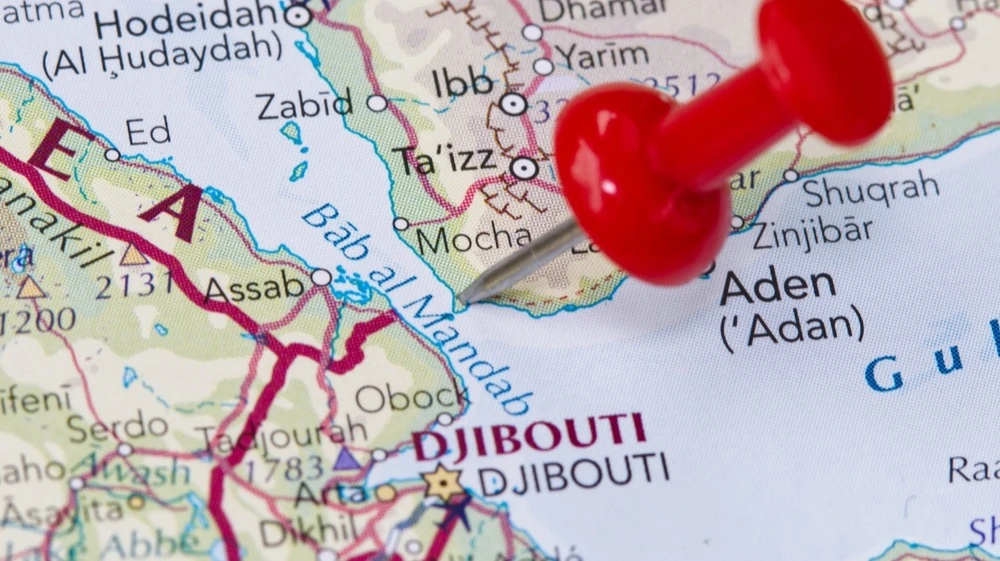
“Despite the sell-off triggered by sensational headlines, we do not expect traffic through the Strait of Hormuz to return to normal anytime soon, and now there are additional problems in the Red Sea,” said Helima Croft, head of global commodities strategy at RBC Capital Markets. “A pause in hostilities does not mean that it’s already ‘full steam ahead’ for ships traveling in both directions,” she added (quoted in the FT).
Political Context
A sustained decline in oil prices could help Trump ahead of the U.S. midterm elections, which are less than 100 days away, the FT reports. The conflict in the Middle East has driven up prices for gasoline and other goods, which has already worsened voters’ opinion of the president. An FT/Focaldata poll conducted in late June—before the latest escalation of the conflict between the U.S. and Iran— showed that only 36% of American voters approved of Trump’s job performance.
This article was AI-translated and verified by a human editor