"Bulls Can Confidently Aim for $100 a Barrel": Brent Jumps Above $98
Attempts by the Yemeni Houthis to restrict shipping in the Red Sea pose an additional threat to the global oil market

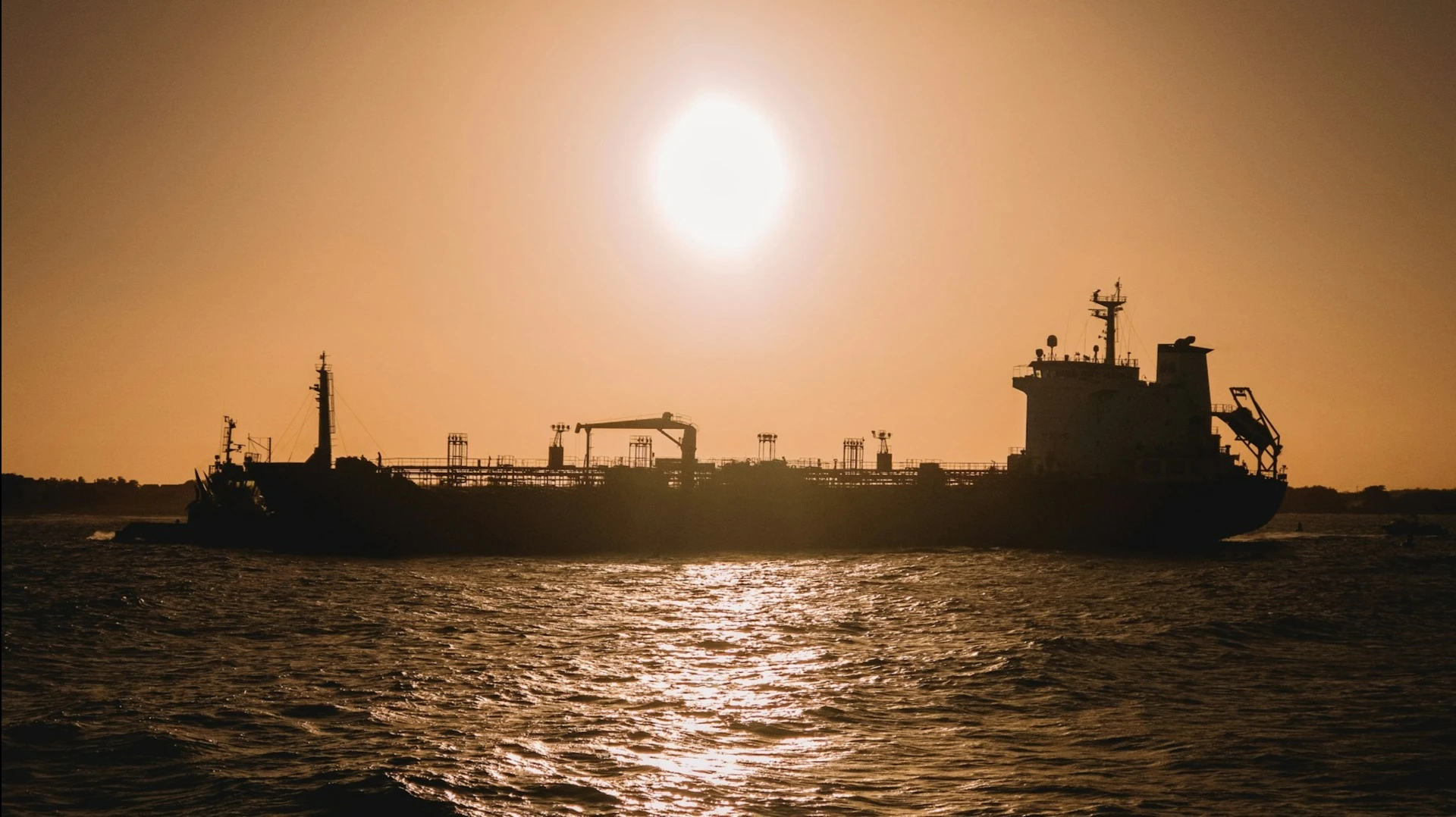
Oil Prices Are Approaching $100 per Barrel / Photo: Unsplash/Abdiel Rosario
The price of Brent crude rose 5% on Thursday, July 23, reaching $98.8 per barrel. Since July 10, when the latest escalation between the U.S. and Iran began, the increase has been approximately 30%, Bloomberg noted. WTI crude oil futures jumped 4% to $90.3 per barrel. Yields on U.S. Treasury bonds remained near multi-month highs as rising oil prices fueled inflation concerns, The Wall Street Journal noted.
What's the matter?
Oil prices are rising amid ongoing hostilities in the Middle East. The Iran-backed Houthis in Yemen announced on Wednesday that they had attacked two Saudi tankers in the Red Sea, according to Bloomberg. The Saudi Arabian government confirmed the attack on the Encelia, a tanker carrying refined petroleum products, the agency added.
Also on Thursday, July 23, the Islamic Revolutionary Guard Corps (IRGC) stated that one of three oil tankers caught fire following an explosion while attempting to navigate a mined route in the southern part of the Strait of Hormuz, according to Reuters. The other two vessels turned back, the IRGC claims.
The Red Sea has become an important alternative route for crude oil exports, particularly from Saudi Arabia, following the closure of the Strait of Hormuz, Bloomberg notes. The port of Yanbu has become the main hub for Saudi crude exports, allowing shipments to bypass the Strait of Hormuz, through which virtually no ships are currently passing, the agency points out.
It is not yet clear whether any ships in the Red Sea were hit or damaged, but these events could effectively close off yet another maritime chokepoint that is critical to energy markets, according to Bloomberg.
The closure of three key transportation hubs, including the port in Novorossiysk, through which the flow of Russian and Kazakh oil has effectively come to a halt, simultaneously threatens about a quarter of global oil supplies and will pose a new challenge for energy-intensive economies, the WSJ notes.
What Analysts Are Saying
— The attack in the Red Sea represents a “significant escalation” of the conflict, said Daniel Hynes, senior commodities strategist at ANZ Group Holdings. “If this route is disrupted, the shortage in the oil market will only become more acute,” Bloomberg quoted him as saying.
“Whether the rise in oil prices will be sustained will depend on whether the attack in the Red Sea turns out to be an isolated incident or triggers prolonged disruptions in supply chains,” said Priyanka Sachdeva, senior market analyst at Phillip Nova, in a Bloomberg report. “Bulls can confidently expect $100 per barrel,” she added.
— “The conflict between the U.S. and Iran shows no signs of easing, and there are no indications yet of a possible peace agreement,” said Deutsche Bank analysts, as quoted by The Wall Street Journal. Traffic through the Strait of Hormuz has fallen sharply compared to June levels, and data from the vessel-tracking service Kpler shows that some ships have rerouted to bypass the Red Sea after the Houthis announced a naval blockade of Saudi Arabia. This has heightened concerns about longer delivery times, rising freight costs, and the risk of a reduction in global oil supplies in the event of further escalation of the conflict, the WSJ reports.
— “The large-scale release of strategic reserves early in the [U.S.-Iran] conflict significantly depleted the buffer available in case of future supply disruptions,” — the WSJ quotes Mike Strautman, a market analyst at the ship-tracking service Vortexa.
— “The main risk remains further escalation in the Middle East, specifically the ‘problem of two chokepoints,’” according to UOB Global Economics & Markets Research, referring to the Strait of Hormuz and the Bab el-Mandeb Strait—a narrow shipping channel between Yemen and Djibouti. Their opinion is cited by the WSJ.
The Red Sea transport hub, which became the largest route for crude oil exports from Saudi Arabia following the closure of the Strait of Hormuz, accounted for approximately 12% of global seaborne oil shipments prior to the war. This “raises serious concerns about supply disruptions, and any further actions by the Houthis or Iran could lead to a further rise in energy prices,” UOB noted.
This article was AI-translated and verified by a human editor