Yemeni Houthis have announced a blockade of Saudi Arabian shipping in the Red Sea
After traffic through the Strait of Hormuz came to a halt, this route became one of the main routes for oil exports from the Persian Gulf countries

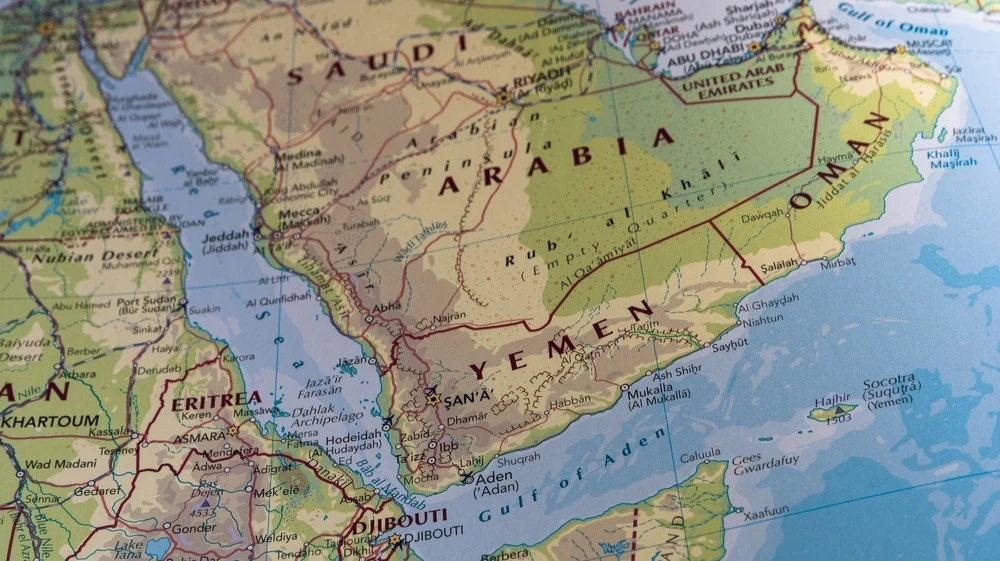
Yemeni Houthis have imposed a naval blockade on Saudi Arabia / Photo: Marco Bellegoni / Shutterstock
The Iran-backed Houthis in Yemen announced a naval blockade against Saudi Arabia in a televised address on Monday, July 20, Reuters reported . In effect, this would mean blocking Saudi ships from passing through the Bab el-Mandeb Strait, which provides access from the Red Sea, a move that could exacerbate disruptions to oil supplies caused by Iran’s attacks on tankers in the Strait of Hormuz, CNBC warns.
Details
“The Yemeni Armed Forces are imposing a naval embargo against the criminal Saudi enemy, based on the principle of ‘an eye for an eye,’ effective immediately upon the publication of this statement,” — wrote a spokesperson for the Yemeni army on social media platform X.
Against this backdrop, prices for benchmark Brent crude rose 0.5%, with September futures trading above $88 per barrel. However, they retreated from their intraday high following Iran’s statements that it would continue talks with the U.S. The price of August futures for the North American WTI Mark was down 0.1% at the time of this writing, paring earlier losses.
Why Is This Important?
This poses a threat to a key oil export route that Saudi Arabia has used to circumvent the blockade in the Strait of Hormuz, as The Wall Street Journal previously noted. It was precisely the ability to supply energy resources via this alternative route that helped limit the negative impact of the war with Iran on global oil supplies, Bloomberg reported. If the Bab el-Mandeb Strait is closed, millions of barrels of oil per day will be blocked, according to CNBC.
According to Reuters, before the Houthi ban, about 7% of global energy shipments passed through the Red Sea.
Context
Since the start of the war between the U.S. and Iran, the Houthis have repeatedly threatened to block the Bab el-Mandeb Strait, which connects the Red Sea to the Gulf of Aden and, from there, to global markets.
Tensions escalated last week: Reuters sources reported that Iran had asked the Yemeni movement to prepare to block the oil route in the event of U.S. strikes on energy infrastructure, while the Houthis themselves accused Riyadh of striking Sana’a International Airport, after which they attacked a southern airport in Saudi Arabia. A source close to the Houthis told the agency that they have already deployed missiles and drones in the Bab el-Mandeb Strait area and are awaiting orders to attack commercial vessels.

This article was AI-translated and verified by a human editor