China will approve purchases of Nvidia's AI chips as early as this quarter - Bloomberg
With Beijing's lack of clarity, Nvidia is forced to impose extremely tough conditions on Chinese customers

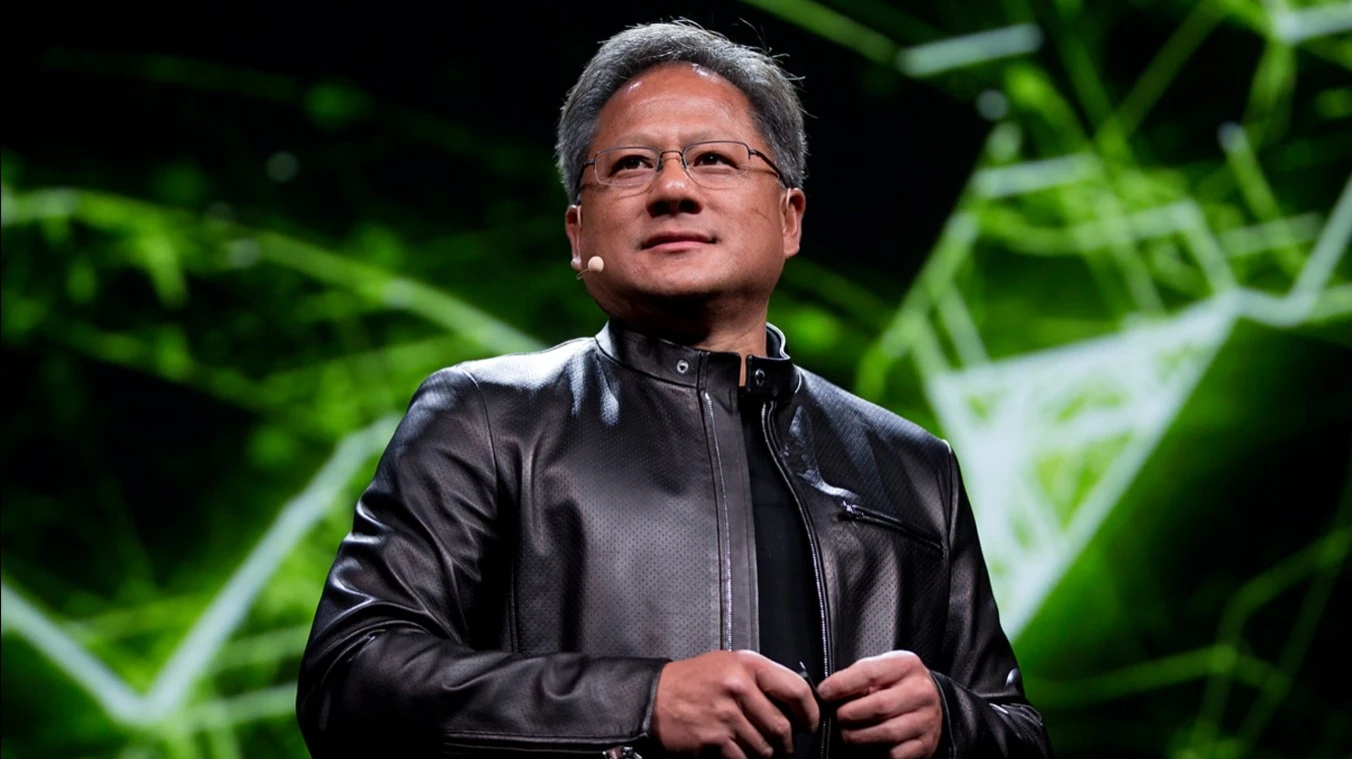
Chinese authorities intend to allow partial imports of Nvidia's penultimate-generation AI chips as early as this quarter, Bloomberg reported, citing sources. This decision will reopen the world's most expensive company access to a critical market. Nvidia is actively preparing for it, its head Jensen Huang said.
Details
The Chinese government is preparing to authorize the purchase of Nvidia H200 chips by local companies for commercial use, but will prohibit their use by the military, government agencies and critical infrastructure, said Bloomberg interlocutors. These restrictions are dictated by national security considerations and are similar to the measures taken earlier by Beijing in relation to the products of Apple and Micron. At the same time, applications from government agencies to purchase equipment may be considered by the regulator on a case-by-case basis, the sources said.
It's still unclear whether Beijing will classify the data centers of cloud service providers like Alibaba and Baidu as critical infrastructure, Bloomberg notes. But even taking into account the restrictions, this is a major victory for Nvidia: the Chinese semiconductor market is the largest in the world, and, according to estimates of Nvidia head Jensen Huang, the local segment of AI chips could grow to $50 billion in the coming years, the agency notes.
U.S. President Donald Trump authorized Nvidia to sell the H200 with a 25 percent fee to the U.S. government in December 2025. But amid a lack of clarity from Beijing, the company is now requiring Chinese customers to pay full prepayment for orders without the ability to cancel, refund or reconfigure them after placement, Reuters reported, citing two sources.
Context
Nvidia's CEO said earlier this week that customer demand for H200 chips is "quite strong" and the company has launched a full supply chain to ramp up production. He clarified that he was not counting on any official statements from the PRC government about approval of the purchases: it would be expressed in incoming orders. "We don't expect any press releases or major announcements. There will just be purchase orders. If they come in, it's because they [Chinese customers] have the capacity to place them," Huang said (quoted by Reuters).
Nvidia faces a de facto ban on shipping its flagship products to China from 2022. The rules, which U.S. policymakers have tightened several times, have caused Nvidia's market share in the PRC to drop from a peak of 95% to zero. Still, the company's sales expectations continue to rise: in October, Nvidia predicted that its total revenue from data center chips would be about $500 billion by the end of 2026. In January 2026, the chipmaker said it would likely surpass that level.
This article was AI-translated and verified by a human editor