The stock rally continued, oil prices fell: how traders are reacting to Venezuela
The price of Brent fell by approximately 0.7%.

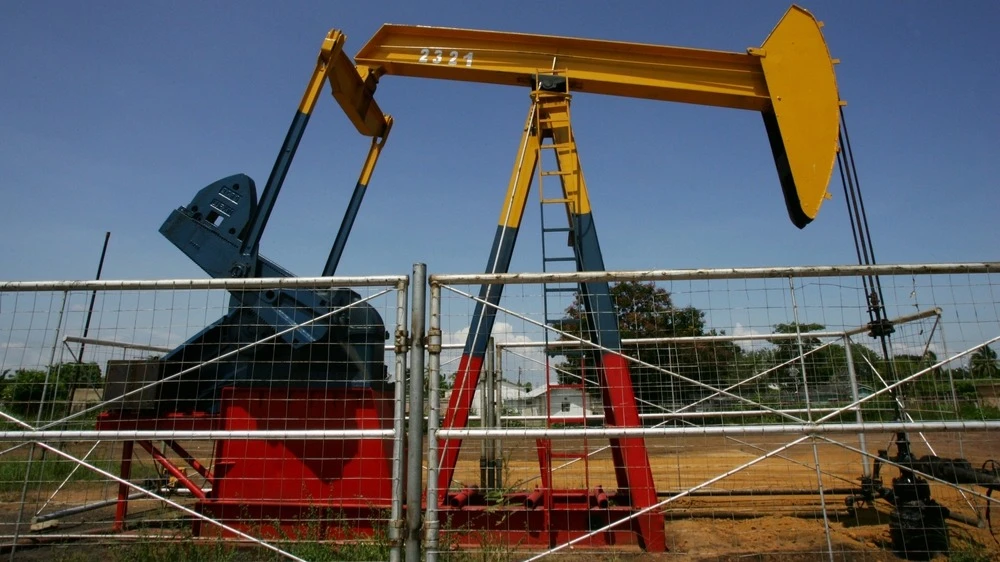
On January 5, investors largely ignored the geopolitical events of the past weekend and continued to build positions in companies related to artificial intelligence. Asian stocks and emerging market securities reached new highs, while US stock index futures are also trading in the green. At the same time, oil prices fell slightly, dropping to almost $60 per barrel.
Details
The MSCI AC Asia Pacific regional index jumped 1.7% to a new high, with chipmakers led by Samsung Electronics and TSMC leading the gains, according to Bloomberg. The MSCI Emerging Markets Index also set a new record. Futures on the US S&P 500 stock index rose 0.13%, while derivatives on the European STOXX 50 and STOXX 600 indices added 0.7% and 0.5%, respectively.
Major European stock indices also started trading higher. In particular, the British FTSE 100 rose 0.7%, exceeding 10,000 points and potentially setting a new record at closing. The French CAC 40 gained 0.5%, while the German DAX and the pan-European Stoxx Europe 600 each rose 0.6%.
Bitcoin reached a three-week high shortly after trading opened in Asia. The current growth of the largest cryptocurrency is driven by demand from companies specializing in digital assets, as well as the absence of sales by large holders — miners and investment funds, Bloomberg writes, citing Sean McNulty, head of derivatives trading for the Asia-Pacific region at FalconX.
Precious metals reacted to the capture of Venezuelan President Nicolas Maduro: silver prices jumped 4.8%, while gold rose 2%, exceeding $4,400 per troy ounce.
At the same time, oil traded volatilely, fluctuating between growth and decline, Reuters writes. At the time of publication, March futures for Brent crude fell by 0.7%. The market assumes that US actions in Venezuela are unlikely to disrupt the well-supplied energy market, the agency notes.
What analysts say
"The initial reaction of Asian markets was subdued: investors largely ignored the weekend's events. In North Asia, the focus remains on the structural growth driver of AI investment, which outweighs geopolitical concerns," Reuters quotes Invesco strategist David Chao as saying.
"The removal of Venezuelan President Nicolás Maduro by the United States is unlikely to have any significant short-term economic consequences for the global economy," said Neil Shearing, chief economist at Capital Economics. "However, the political and geopolitical consequences of this event will continue to reverberate."
Events in Venezuela raise the question of how strong US President Donald Trump's appetite is for further regime change in countries that oppose him, such as Iran, said OCBC investment strategist Vasu Menon. "This uncertainty could support oil prices. A more tense geopolitical situation could push up defensive assets such as precious metals," he added.
This article was AI-translated and verified by a human editor