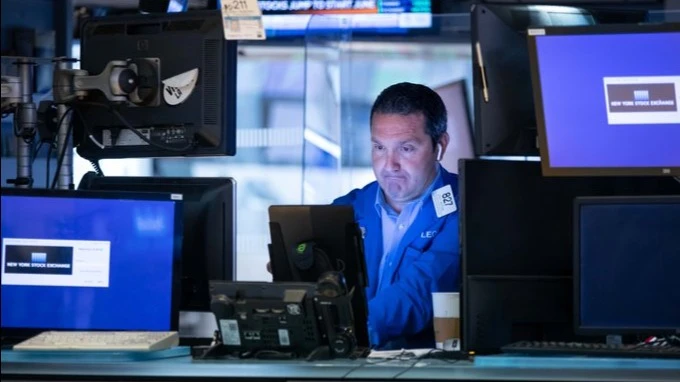
Chipmakers' Rise and the Drop in Oil Prices: Nasdaq Has Nearly Recovered from July's Plunge

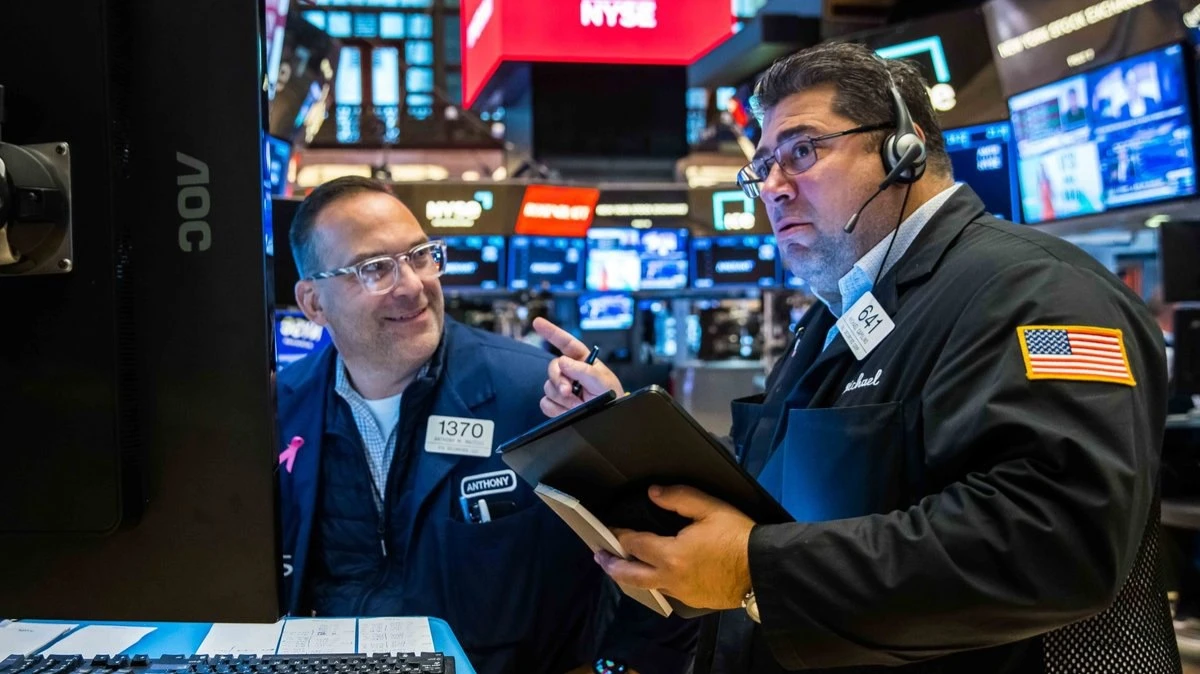
Major U.S. market indices rose on Thursday, July 9, while oil prices fell, despite rising tensions in the Persian Gulf and a reduction in shipping through the Strait of Hormuz, according to CNBC. The market was buoyed by rising chipmaker stocks. Micron Technology announced it was increasing spending on new U.S. factories to $250 billion due to high demand for memory, signaling that it does not expect demand to weaken. Meanwhile, the anticipated record-breaking U.S. market listing of its South Korean competitor, SK Hynix, underscores the strong demand for semiconductor stocks, notes Bloomberg.
Details
— The S&P 500 broad-market index rose 0.8% on July 9.
— The Nasdaq Composite technology index jumped 1.3%, nearly fully recovering from its decline since early July, according to MarketWatch.
— The Dow Jones Industrial Average, a "blue-chip" index, rose 0.3%.
— The VanEck Semiconductor ETF surged 2.5%.
— The Russell 2000 Small- and Mid-Cap Index rose 1.3%.
— Brent crude futures fell 2.5% and were trading just above $76 per barrel. North American WTI was trading at just under $72 per barrel. Oil prices came under pressure after U.S. President Donald Trump stated that Iran had proposed a deal. Mediators from Qatar and Pakistan are also working to bring the parties to the negotiating table, Iranian media reported, citing officials from those countries.

What Analysts Are Saying
“The latest escalation in the Middle East is significantly heightening inflation risks and creating a great deal of uncertainty,” said Megan Horneeman, chief investment officer at Verdence. “It could all be over tomorrow. Or it could escalate into something bigger. We don’t know. That’s why, in a situation like this, investors simply need to have a well-diversified global equity exposure,” she told CNBC. Horneman believes the market environment will remain volatile: Investors may have already become somewhat accustomed to the conflict, which flares up and then subsides, but it is precisely this unstable dynamic that could still trigger sharp market movements.
— The markets viewed the new U.S. attacks on Iran as yet another round of controlled escalation, based on the assumption that the economy can withstand this shock, Bloomberg quotes Elias Haddad, vice president and global head of market strategy at Brown Brothers Harriman.
— “Investors are now much more focused on the upcoming earnings season than on the geopolitical agenda,” Matt Maley, chief market strategist at Miller Tabak, told the agency.
— “Companies will need to do more than just beat expectations,” Bloomberg quotes Anthony Salimbene, chief market strategist at Ameriprise Financial, as saying. — “They’ll have to show that margins are holding up at high levels, that forecasts remain solid—and even stronger than analysts expect— — and that earnings growth, led by the technology sector, remains broad enough to justify current market valuations.”
This article was AI-translated and verified by a human editor