AstraZeneca lost $27 billion in market capitalization in a single day: its drug failed clinical trials

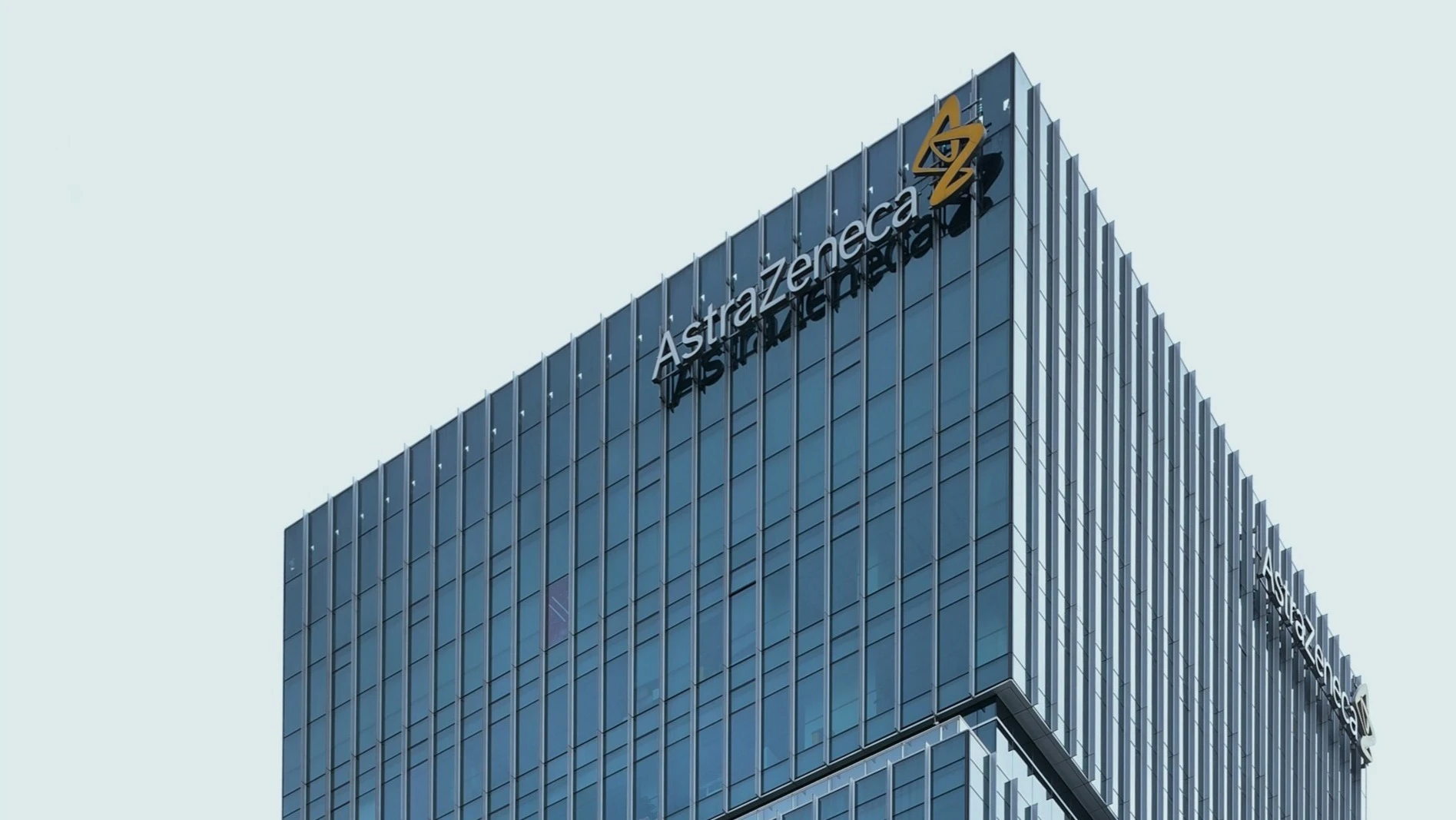
The main risk associated with the failure of the trials is a “potential loss of confidence” in the company, according to Jefferies: based on their information, AstraZeneca’s management was confident in the effectiveness of the drug’s development / Photo: Declan Sun / unsplash
The British pharmaceutical company AstraZeneca announced that a drug it is developing in collaboration with the American company Ionis to treat cardiovascular diseases did not meet its targets in late-stage trials.
Against this backdrop, AstraZeneca’s shares in London plummeted by more than 8%. This is equivalent to a decrease in the company’s market value of approximately £20 billion (or $27 billion), according to MarketWatch. AstraZeneca ultimately closed trading in the UK down 6.2%. After the U.S. market opened, the pharmaceutical company’s shares also fell by more than 7%, but later slowed their decline—at the time of publication, they were down about 5%. Shares of AstraZeneca’s partner, Ionis, plummeted more than 23% on the Nasdaq.
What the companies reported
A drug for the treatment of cardiovascular diseases, developed jointly by AstraZeneca and Ionis, did not pass the final stage of clinical trials.
We’re talking about Wainua injections—a treatment designed to treat a condition known as transthyretin-mediated amyloid cardiomyopathy — a condition caused by the accumulation of proteins (amyloid) in the heart, leading to thickening of the heart muscle and the development of severe heart failure. AstraZeneca estimates that between 300,000 and 500,000 people worldwide suffer from this disease. Administered once a month, Wainua was intended to block the activity of a specific gene, preventing it from producing excess protein.
However, the companies concluded that during the third—late-stage—phase of trials, the drug “did not provide a statistically significant benefit” in reducing mortality from cardiovascular disease.
“Although the trial did not meet its primary endpoint, we believe its results contribute to a better scientific understanding of treatment approaches for hundreds of thousands of patients worldwide suffering from this progressive and often fatal disease,” said Sharon Barr, Executive Vice President of Research and Development for Biopharmaceuticals at AstraZeneca.
Context
These drug trial results mark the second recent setback for AstraZeneca—following the U.S. regulators’ decision in May to postpone approval of the company’s new cancer drug, the Financial Times notes.
According to Bank of America, AstraZeneca had previously stated that peak sales of its gene-silencing drugs could exceed $5 billion, MarketWatch notes.
What Analysts Are Saying
"The latest news from AstraZeneca turned out to be more bitter than sweet: the company reported that the drug doesn't work," wrote Dan Coutsworth, head of market analysis at AJ Bell, in a note on Thursday (as quoted by MarketWatch).
The real risk associated with the failure of AstraZeneca’s drug trials lies in a “likely loss of confidence” in the company, Jefferies analysts noted, adding that AstraZeneca’s management had been confident in the drug’s efficacy.
Overall, 25 of the 30 Wall Street analysts who cover the pharmaceutical company’s stock recommend buying it (with “Buy” and “Overweight” ratings), three advise “holding,” and two recommend selling. The consensus price target for AstraZeneca shares is $222.33 per share, implying a 17% increase from the last closing price.
This article was AI-translated and verified by a human editor