Traffic in the Strait of Hormuz has virtually come to a standstill. This will hinder the resumption of oil shipments

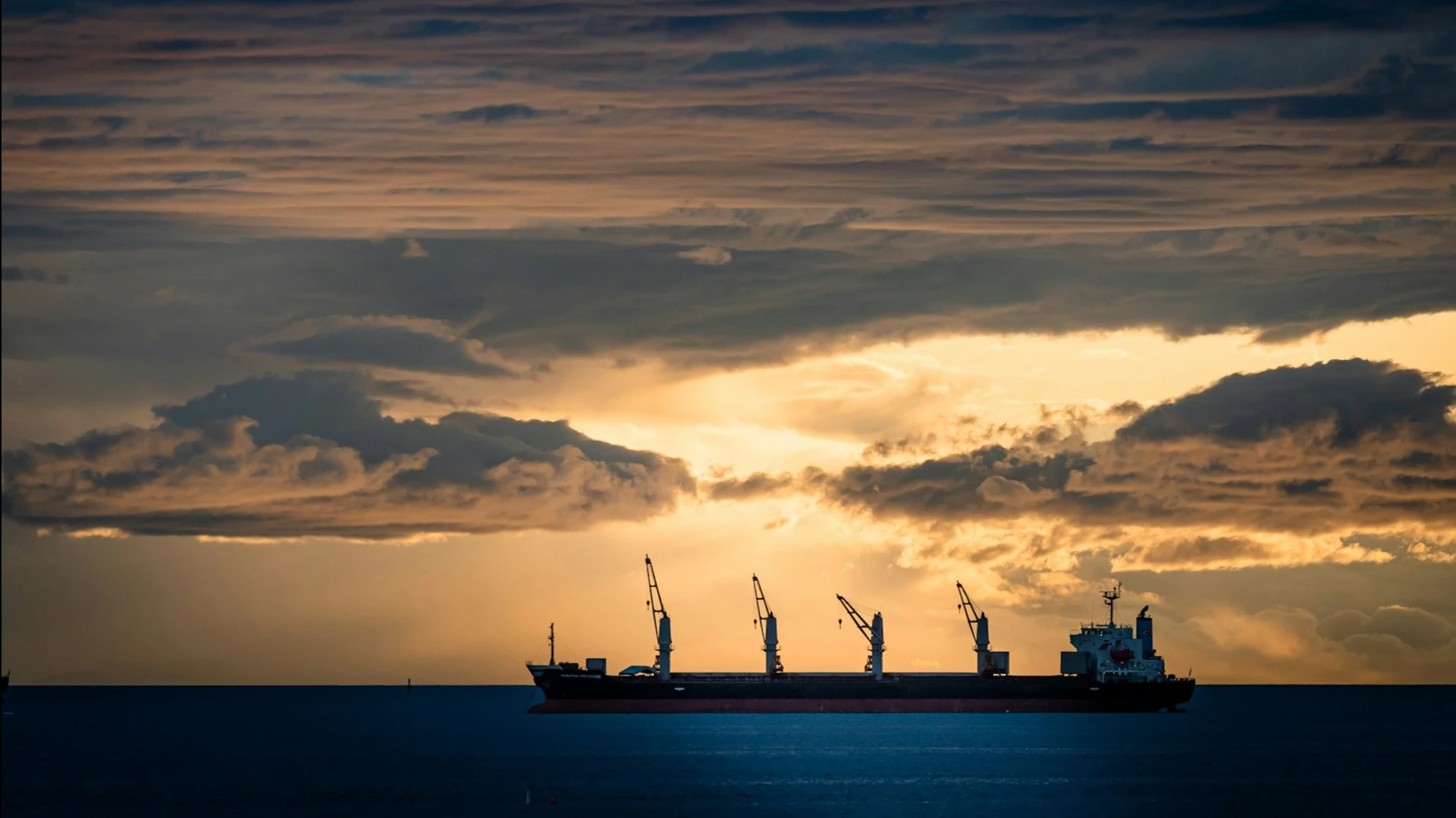
Photo: Unsplash/JF Martin
Shipping through the Strait of Hormuz came to a virtual standstill on Thursday, July 9—after the U.S. launched strikes against Iran for the second day in a row and Donald Trump announced the end of the truce with Tehran. Bloomberg reports this. This could hinder the resumption of oil supplies, according to Goldman Sachs.
Details
Vessel tracking data shows that traffic in the strait mainly followed the route approved by Iran in the northern part of the waterway, while the U.S.-backed corridor along the coast of Oman remained empty, the agency reports. Of the large vessels in transit, it spotted only one supertanker subject to U.S. sanctions and one Iranian container ship. However, the publication noted that some of the vessels may have been sailing with their location-tracking transponders turned off.
On Wednesday, July 8, only 14 cargo ships passed through the strait in both directions—the lowest number since the ceasefire between the U.S. and Iran was reached in mid-June, according to Bloomberg. By comparison, during the three weeks that the temporary agreement between the U.S. and Iran to resume shipping through the strait was in effect, an average of 34 cargo ships passed through the strait each day. According to the analytics firm Kpler, this figure peaked at 59 ships on June 24. Before the strait was reopened, fewer than 20 ships crossed it on most days, Bloomberg noted.
What are the potential consequences?
Traffic disruptions in the Strait of Hormuz will hinder the resumption of oil shipments from the Middle East, Goldman Sachs analysts noted in a July 8 report. Bloomberg cited the report.
“The attacks on tankers in recent days underscore the continued elevated risks of transiting [the Strait of Hormuz], and shipowners may be hesitant to sail through the strait given the current uncertainty surrounding the ceasefire, which is affecting shipping flows in the near term,” Goldman analysts write.
According to the bank's estimates, oil shipments from the Persian Gulf have already fallen back to about 70% of their normal, pre-war levels due to new attacks on ships, after having reached more than 80% in the first 10 days following the reopening of the Strait of Hormuz.
Context
The U.S. resumed strikes against Iran following attacks on commercial vessels in the Strait of Hormuz. On July 8, U.S. forces struck approximately 90 military targets in Iran, according to U.S. Central Command (USCENTCOM).
On July 8, U.S. President Donald Trump announced that he considered the ceasefire with Iran to be over and that further negotiations with Tehran were pointless, although he did not oppose their continuation.
Trump’s remarks led to the sharpest rise in oil prices in two months: Brent crude exceeded $80 per barrel during trading on July 8, before falling slightly. On Thursday, July 9, Brent rose 0.7% to $78.6 per barrel, while U.S. WTI rose 0.6% to $74 per barrel.
This article was AI-translated and verified by a human editor