Citadel warned of growing risks of a Fed rate hike in September
The market does not yet consider this very likely

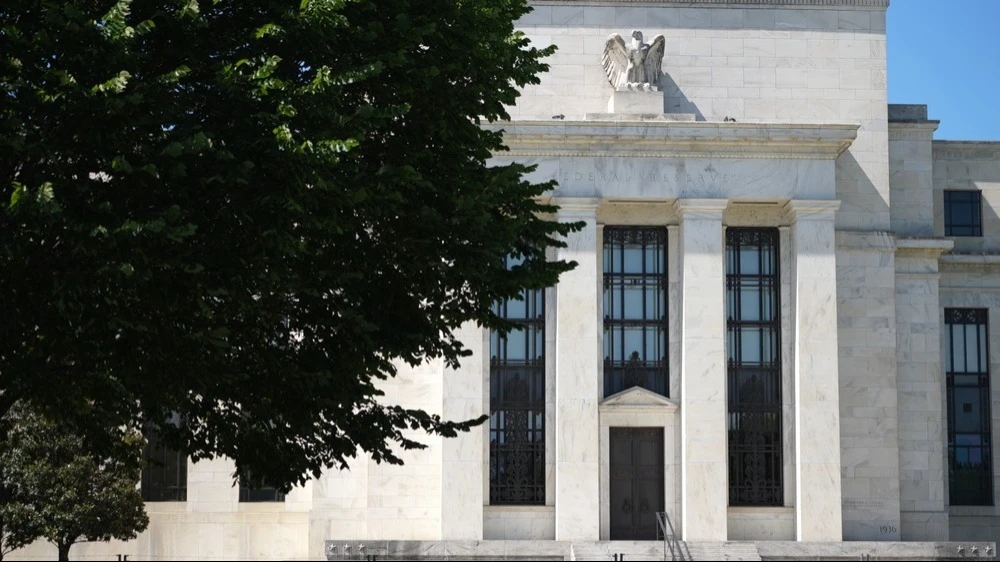
Citadel expects three Fed rate hikes in the coming quarters due to persistent inflation / Photo: Chiarascura / Shutterstock.com
Citadel Securities has stated that there is a growing likelihood that the U.S. Federal Reserve will begin a series of interest rate hikes as early as September, according to Bloomberg.
Although oil prices fell after the U.S. and Iran announced a peace agreement on June 15, inflationary pressures had taken root during the war, noted Frank Flight, head of macro strategy at Citadel.
According to him, accommodative financial conditions (low interest rates), ongoing disruptions in supply chains, renewed momentum in the labor market, and a surge in investment in artificial intelligence are helping to sustain price pressures.
Against this backdrop, Fed Chair Kevin Warsh may adopt a more “hawkish” stance at his first monetary policy meeting on Wednesday, which will conclude on June 17, with the risks of rate hikes in September and December 2026, as well as in March 2027, increasing, according to Flight. This forecast appears much more aggressive compared to current market expectations: interest rate swaps put the probability of a September rate hike at just one in three, Bloomberg notes.
The analyst expects the regulator to present a more hawkish set of forecasts, which will support further rate hikes. At least five officials may factor economic growth into their forecasts, along with expectations for core inflation above 3% in 2026 and a slightly lower unemployment rate, he said.
This combination of forecasts will point to the “optimal” monetary policy path, which implies a tightening of approximately 75 basis points this year under the Taylor rule—a framework that links interest rates to inflation and the unemployment rate—according to Flight. In his view, the Fed could shift the balance of risks toward tightening as early as July, paving the way for a rate hike in September.
This article was AI-translated and verified by a human editor