Nike shares have underperformed the S&P 500 by a record margin. JPMorgan now recommends selling them
The business recovery plan of Nike veteran Elliott Hill will continue to weigh on financial performance for several more years

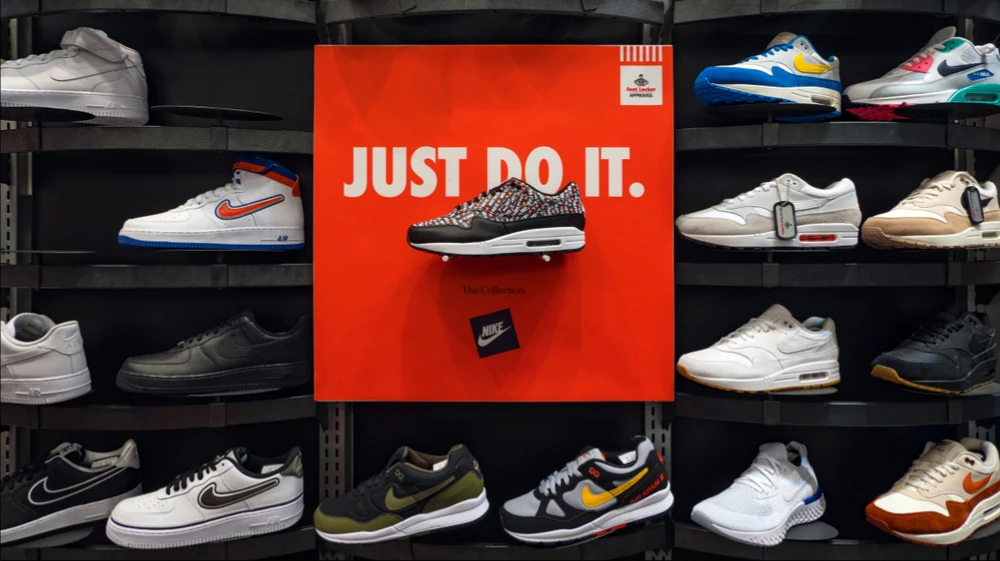
Since the start of the year, Nike shares have fallen 35%, while the S&P 500 index has risen 13% / Photo: pio3 / Shutterstock.com
Shares of Nike, the sneaker and athletic apparel manufacturer, have underperformed the S&P 500 by the widest margin in the past 25 years, according to Yahoo Finance. Since the start of the year, the company’s stock has fallen 34%, while the index has risen 13%. Nike’s recovery under CEO Elliott Hill’s plan is taking longer than expected: the impact of his strategy on the company’s financial performance has prompted JPMorgan to downgrade its recommendation on the brand’s stock, according to CNBC.
Details
JPMorgan downgraded the sportswear manufacturer’s stock rating from Neutral to Underweight, which is equivalent to a sell recommendation, according to CNBC. JPMorgan also lowered its price target for the stock from $47 to $40, which implies a decline of approximately 3.6% from the closing price on August 4.
Since October 14, 2024, when Elliott Hill—on whom investors had pinned their hopes— took office as CEO, Nike’s stock has fallen by about 49%, according to Yahoo Finance. At the same time, the company has been releasing one weak quarterly report after another. Hill’s turnaround plan, called “Win Now,” is expected to weigh on Nike’s financial performance for several more years, noted JPMorgan analyst Matthew Boss.
“An important clarification we received during our recent discussions with management and our review of financial reports: the financial impact of decisions made under the Win Now initiative prior to the end of calendar year 2026 will persist and affect Nike’s income statement in the second half of fiscal year 2027 and throughout fiscal year 2028,” CNBC quotes Boss as saying.
According to the analyst, Nike is under pressure in several key markets. Among them is China, where the company’s sales have recently declined. However, according to Boss’s estimates, Nike is set to face an additional loss of approximately $1 billion in revenue due to the restructuring of its presence on digital marketplaces in the region.
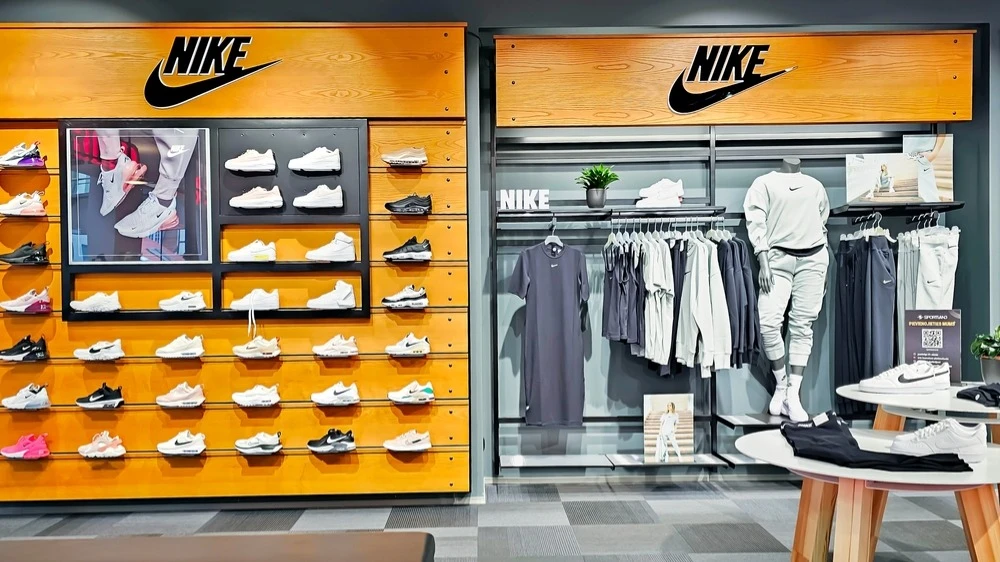
The CEO also pointed to future factors that could put pressure on revenue in North America. Nike plans to reduce the number of stores in the U.S. by about 10%, and, according to him, the financial impact of the closures will affect the company’s results until the effect is fully reflected in year-over-year comparisons—likely until around July 2027, CNBC reports.
Shareholders will now wait for Nike’s Investor Day in November to get an update on the company’s recovery. The analyst expects Nike to present a three-year plan covering fiscal years 2027 through 2030. Although the analyst believes that by the start of the next decade, Nike will be able to emerge from its current difficult situation, he believes the company will likely be unable to return to its previous growth rates.
During trading on Tuesday, August 5, Nike shares rose by more than 1%.
What's Going On with Nike
In late June, Nike reported that revenue for the fourth quarter of fiscal year 2026 was $11 billion, down 1% year-over-year, and down 4% when adjusted for currency effects. The company forecasts that revenue will decline by a “low to mid-single-digit percentage” in the first quarter of the new fiscal year. In addition, Nike confirmed that it expects zero growth in earnings per share over the next three quarters, excluding the impact of duty refunds.
Yahoo Finance believes that changing consumer preferences for sneakers, consumer caution, and intensifying competition from On Holding continue to hold the company back and delay its recovery.
“We need to get back to our roots,” advised NBA star and Nike ambassador LeBron James, commenting on the brand’s challenges in an interview with Yahoo Sports’ Boardroom program. “We need to reconnect with urban communities and work with runners. When I was growing up, company representatives would literally come to the neighborhoods, talk to young people, and ask them what they liked and what they didn’t like.”
"There are no signs yet that revenue will start to grow in the foreseeable future," Yahoo Finance quotes Evercore ISI analyst Michael Binetti as saying. “We see no reason why investors would be willing to value the company’s stock at a higher price than it is now.”
“We were encouraged by several early positive signs in the business—growth in sports merchandise sales, an increase in full-price sales, a refresh of the store assortment, and a stronger gross margin,” the publication quotes Goldman Sachs analyst Brooke Roach as saying. “However, management’s comments regarding the macroeconomic situation have become more cautious and more than offset these initial positive signs.”
Overall, analysts are not particularly optimistic about Nike. More than half—24 out of 41—of the experts tracking the sports shoe manufacturer’s stock recommend holding the shares in their portfolios, according to MarketWatch. Another 14 recommend buying the stock, while three recommend selling. Wall Street’s consensus price target is $49.7, which is 20% higher than Tuesday’s closing price.
This article was AI-translated and verified by a human editor