SpaceX shares plummeted 12% at the opening bell. Do analysts share this pessimism?


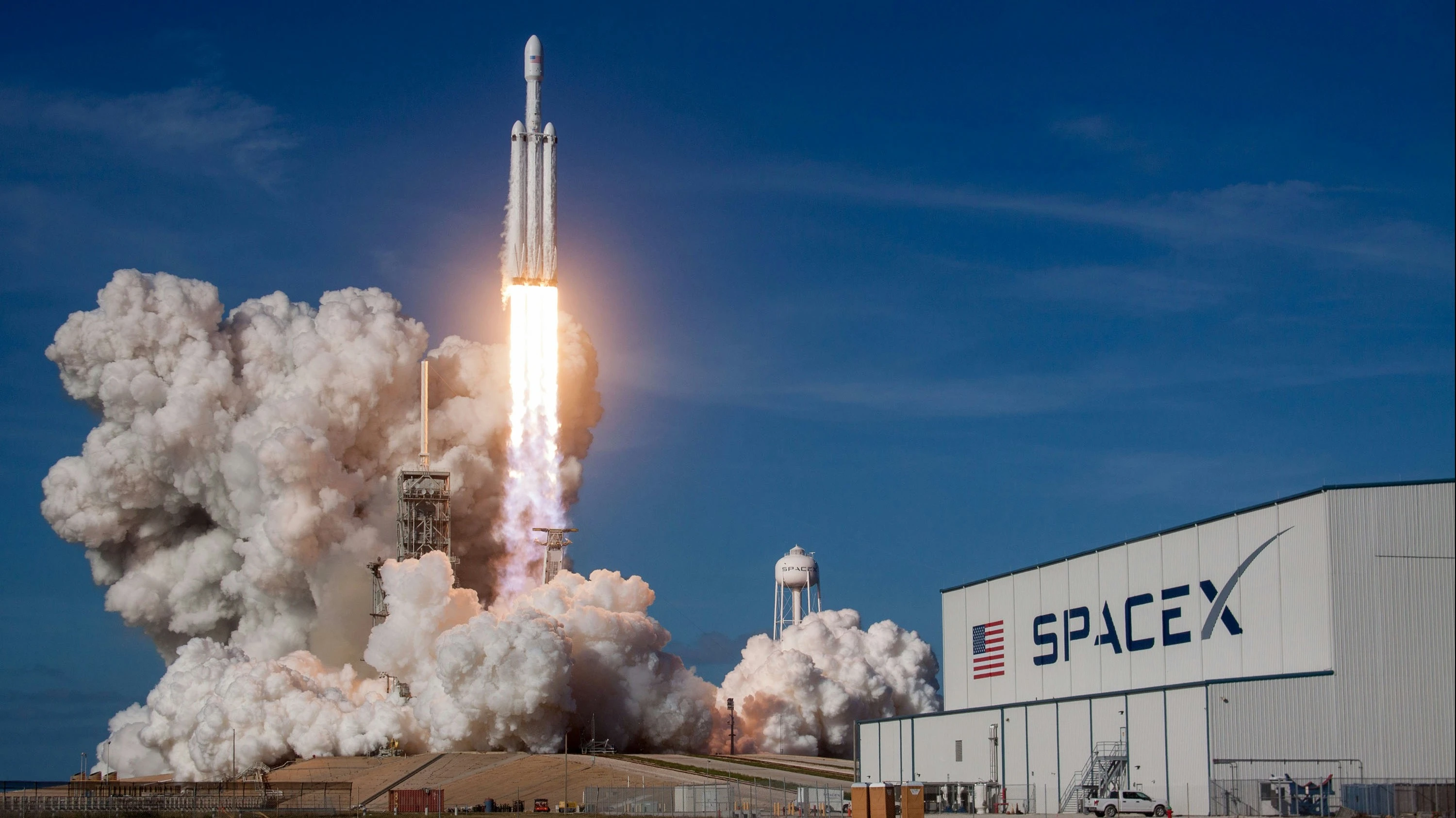
Shares of Elon Musk's SpaceX plummeted following the release of its first-quarter earnings report / Photo: Cristiano Barni / Shutterstock.com
SpaceX shares fell more than 12% at the opening bell on August 5, after the aerospace giant released its first quarterly report as a publicly traded company the previous day. The financial results exceeded Wall Street’s expectations, but they were overshadowed by a sharp rise in capital expenditures, primarily related to artificial intelligence, according to CNBC’s explanation of the market’s reaction.
Amid investor concerns, analysts remain cautiously optimistic about SpaceX shares, the TV channel notes. Here is how they assessed the figures released by the company.
— Analysts at Bank of America reaffirmed their “buy” rating on SpaceX stock, calling its quarterly results strong. BofA assessed the company’s forecast, which projects that by the end of the year, annual recurring revenue (ARR) across all business segments will exceed $100 billion. Analysts believe that the promise of high returns on large-scale investments will bolster investor optimism regarding SpaceX’s long-term prospects.
“Although the stock remains under pressure due to high expectations regarding capital expenditures and questions about how SpaceX will monetize its capabilities in the AI and Starlink Mobile sectors, following the second-quarter results, we have become more positive about the company’s position in key markets,” they wrote.
BofA's price target is $235 per SpaceX share, which implies upside potential of nearly 88% compared to Tuesday's closing price.
— JPMorgan also maintained its "bullish" rating on SpaceX and raised its price target from $225 to $240, which is 92% higher than the stock's last closing price.
The bank highlighted the company’s unique advantage: it uses the engineering expertise gained from developing rockets and satellites to build data centers faster than its competitors. In addition, analysts highlighted a $6.7 billion cloud services agreement signed with an unnamed client. “We don’t know who this client is, but the pool of companies capable of spending more than $1 billion a month is small—Meta, OpenAI, Microsoft, SoftBank, Nvidia—who else?” they speculated in a note. This contract complements contracts with Anthropic, Google, and Reflection AI.
— Following SpaceX’s earnings report, Wells Fargo lowered its price target for the company’s stock from $230 to $215 but reaffirmed its “Buy” rating. Analysts reported that the deployment of computing power is proceeding faster than they had anticipated—the 8 GW mark will be reached as early as 2027, rather than in 2028, as the bank had previously estimated. This is being driven by an exclusive partnership with Nvidia. However, Wells Fargo is factoring in certain delays in its estimates due to the ambitious nature of Elon Musk’s plans.
Citi noted that SpaceX management not only provided new details on already known catalysts but also highlighted new ones. Deutsche Bank acknowledged that SpaceX’s growth rate appears to be significantly stronger than the bank’s expectations. Goldman Sachs warned that in the short term, the company’s stock is likely to remain volatile—in part due to the upcoming expiration of the first lock-up period on August 6. All three investment banks recommend increasing exposure to SpaceX.
This article was AI-translated and verified by a human editor