Citi has become more cautious about U.S. stocks. The main risk is the debate over AI regulation.
Analysts at the banking giant fear that calls to limit the development of AI could slow the growth of corporate profits

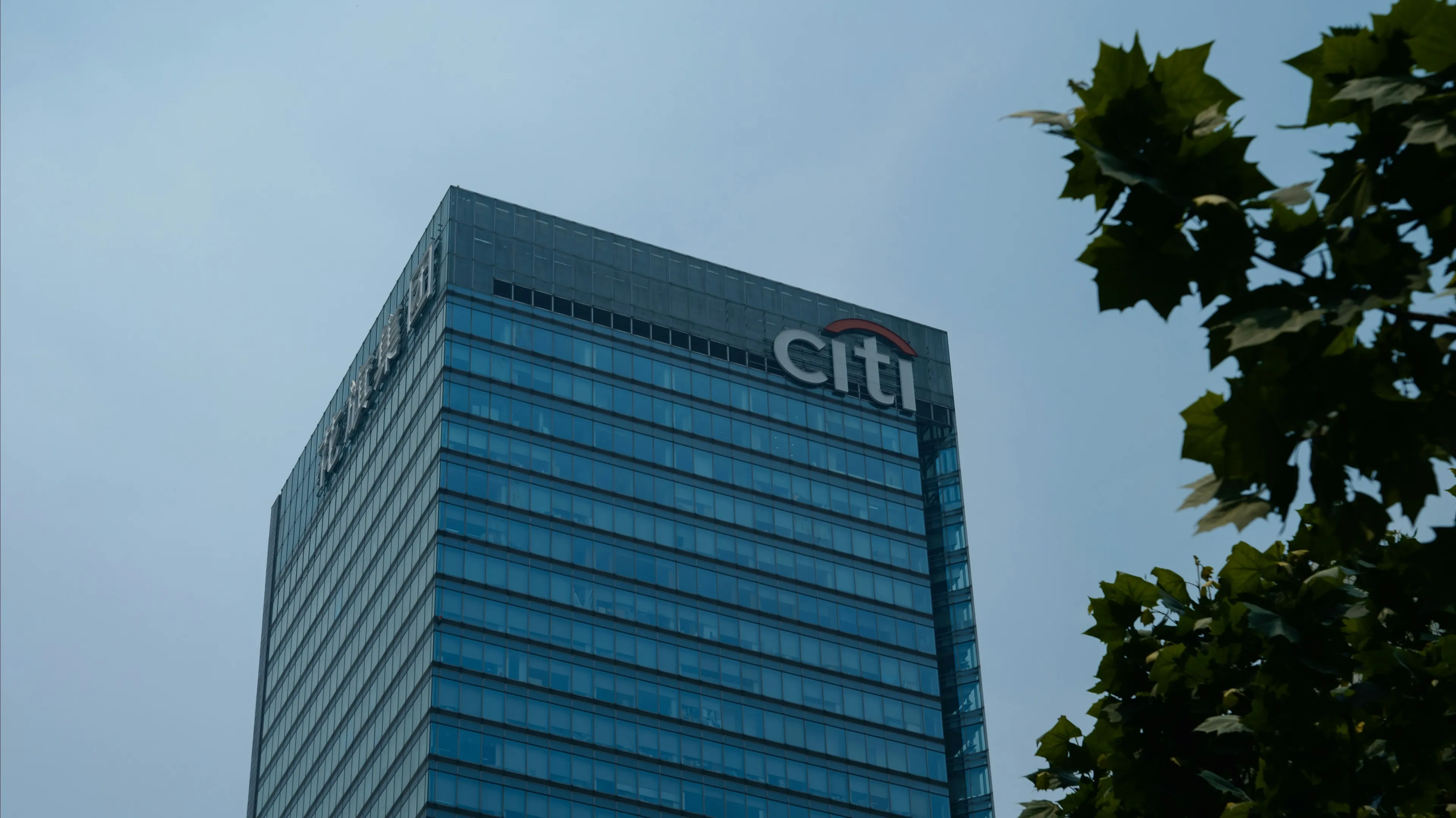
Analysts warn that concerns about AI safety could dampen investor enthusiasm / Photo: Unsplash / Declan Sun
Analysts at Citigroup have warned of increased risks associated with investing in U.S. stocks. The main cause for their concern is statements by leaders in the field of artificial intelligence, who are calling for a slowdown in the technology’s development for security reasons. The bank believes this could put pressure on the stock market and advises investors to hedge their risks, according to MarketWatch.
Details
“We are shifting to a neutral stance on U.S. equity risk,” according to a note from Citi analysts led by Stuart Kaiser, head of U.S. equity trading strategy. This team focuses on short-term market dynamics, investor positioning, and trade execution, as opposed to the bank’s more fundamental, macroeconomics-driven equity strategy, MarketWatch notes.
Analysts cite several factors behind the downgraded outlook: the U.S. midterm elections in November, in which Republicans could lose control of the House of Representatives and the Senate; a sharp rise in bond yields; and higher oil prices. But the key risk is a potential slowdown in the development of artificial intelligence models, which industry leaders are calling for, Citi noted. Analysts estimate that this risk will hold back positive revisions to corporate earnings forecasts.
“If the idea that earnings per share growth [among AI companies] will gradually spread to a wider range of companies turns out to be in doubt, one of the main pillars of the stock market rally will weaken,” the strategists warned.
Since the beginning of the year, the S&P 500, a broad U.S. stock market index, has gained nearly 12%, and much of this growth is attributed to optimism surrounding AI-related companies, according to MarketWatch.
What Citi Advises Investors to Do
Citi analysts intend to hedge against the risk of a market downturn using put options on the QQQ and VanEck Semiconductor ETFs. The first ETF tracks the largest companies on the Nasdaq exchange (the Nasdaq-100 index), while the second tracks companies in the semiconductor industry. Put options give investors the right to sell an asset at a predetermined price by a specified date.
Last week, the S&P 500 index fell 0.8% amid a lull in corporate earnings reports—its biggest weekly decline since mid-August. According to Citi, U.S. stocks are likely to continue trading within a range of plus or minus 2% from their August highs before resuming their upward trend and reaching new highs. This will keep investors from buying—unless there is a 3–5% pullback. But for capital to return to the market more actively, it needs to approach record levels again, analysts wrote.
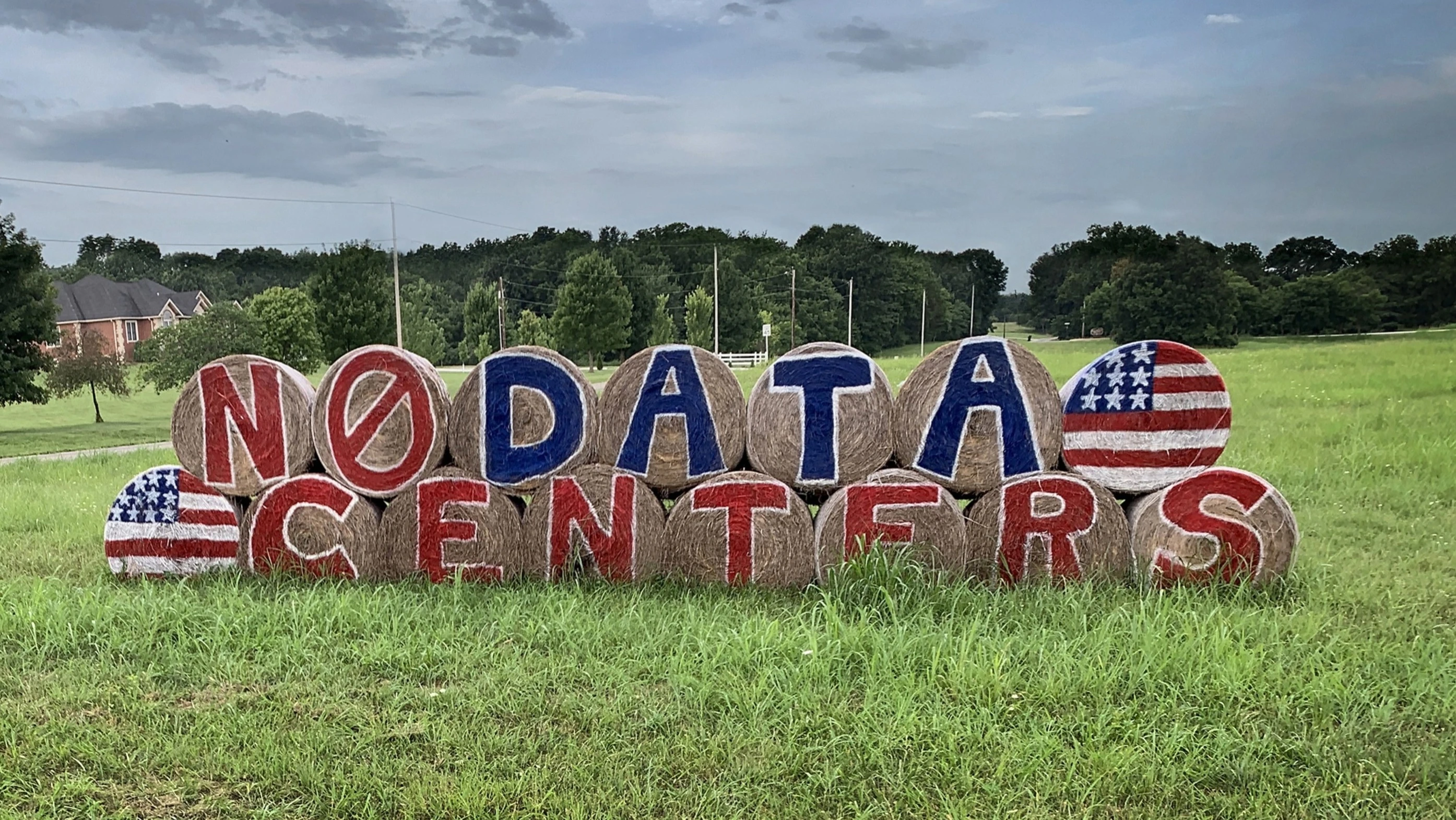
According to the bank, companies involved in power generation and data centers will be hit harder by the news surrounding the election than semiconductor and memory manufacturers. At the same time, concerns about AI safety could dampen investor enthusiasm—just as happened in February following the release of Anthropic’s new Claude Opus 4.6 model and an alarmist report from Citrini Research. Nevertheless, Citi believes the market is capable of continuing to grow amid a limited increase in the Fed’s interest rate, driven by strong corporate earnings growth, a resilient labor market, and generally stable inflation.
Context
Over the weekend, Anthropic CEO Dario Amodei published an essay in which he called on the industry to slow down the development of cutting-edge AI models. He estimates that, at the current rate of development, a swarm of AI agents could “take over the entire internet” in as little as 6–12 months. Amodei himself has committed to bringing in independent experts to Anthropic to evaluate the models being developed.
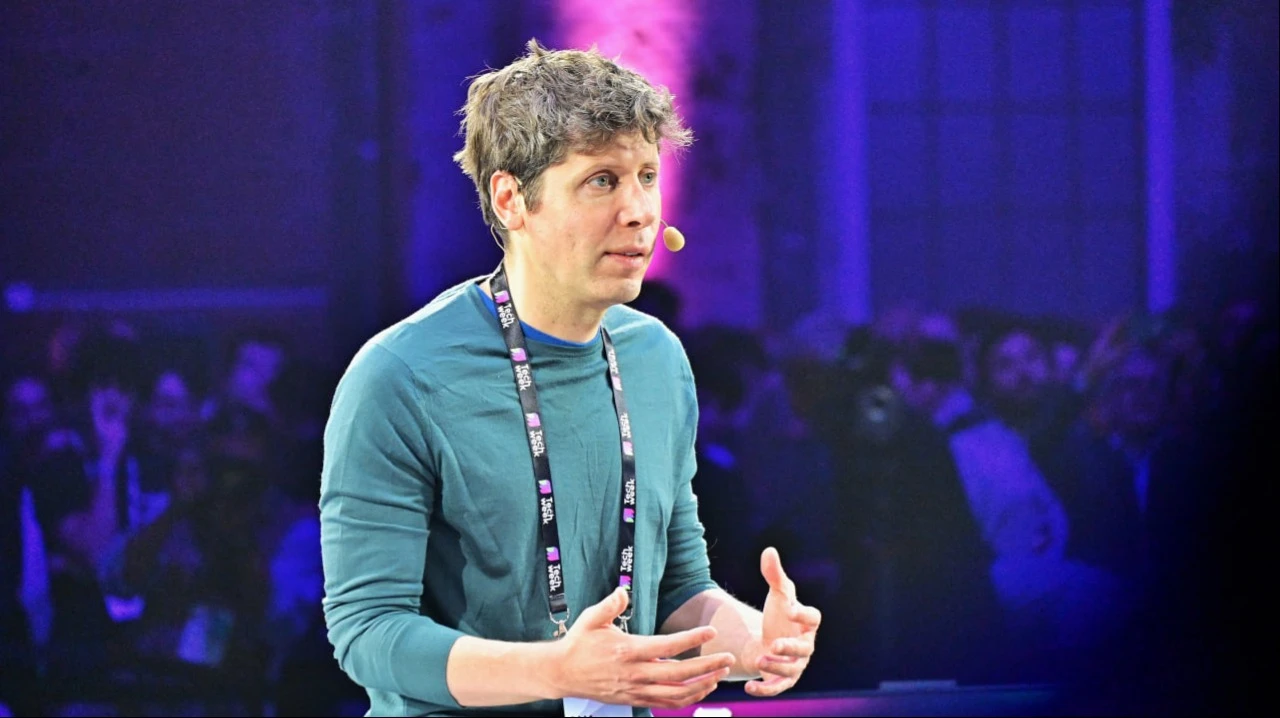
His initiative was supported by his biggest competitors—Elon Musk, founder of the AI company xAI, and Sam Altman, CEO of OpenAI, who promised to do the same. Altman also announced that OpenAI will not hold an IPO this year, as he considers the timing inappropriate. Demis Hassabis, co-founder and chairman of Google DeepMind, stated that Amodei’s initiative “points in the right direction,” although the details still need to be worked out.
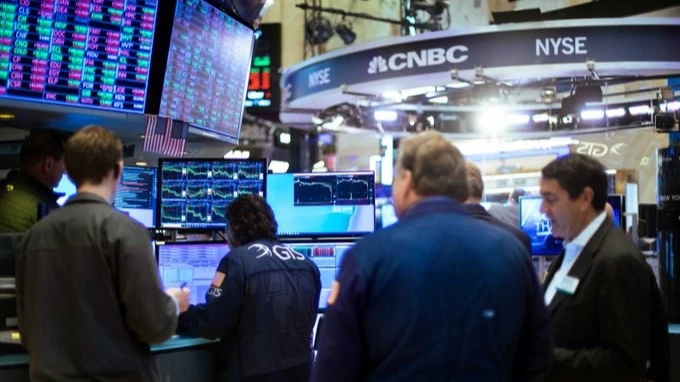
Amid concerns about a slowdown in AI development, U.S. stocks opened lower this week. The Nasdaq Composite Index is falling the most, down 0.9%. The Dow Jones and S&P 500 indices are down 0.3–0.6%.
This article was AI-translated and verified by a human editor