Latvia's airBaltic has filed for bankruptcy protection. What happens next?

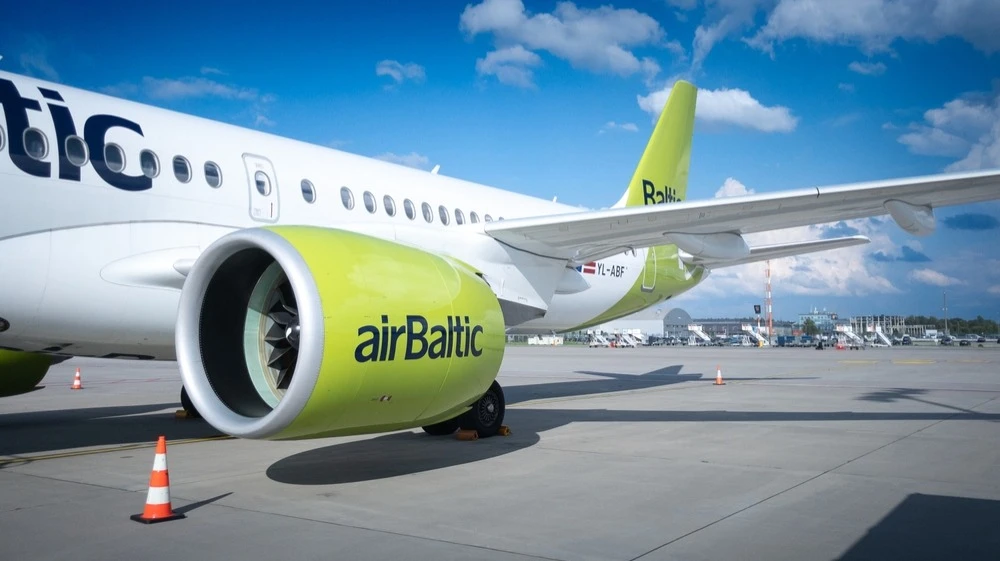
airBaltic Files for Bankruptcy Protection Amid Costs From Soaring Jet Fuel Prices Due to the War in Iran / Photo: BalkansCat / Shutterstock
Latvia's national airline, airBaltic, voluntarily filed for bankruptcy protection in a New York court under Chapter 11 of the U.S. Bankruptcy Code, the carrier announced on September 14. The move was taken to restructure its debts amid a deep industry crisis triggered by the war in Iran, Reuters notes.
Details
The company has initiated proceedings in New York—the process will be overseen by a bankruptcy court. To finance its operations during the restructuring, airBaltic has already secured €350 million ($405 million) in commitments at approximately 12% from a group of creditors, including Barclays and Morgan Stanley. These financing terms will need to be approved by the court, airBaltic CEO Erno Hilden said at a press conference, according to Reuters. “In the coming months, we will work with all stakeholders to agree on sustainable [restructuring] terms,” he noted, adding that the company expects to see an annual improvement in profitability of €44 million going forward. Filing for [bankruptcy protection] ensures that “the company will have a solid balance sheet and will also be able to shed some of the less profitable contractual obligations it currently has,” he concluded (quoted by Bloomberg).
The company clarified that, despite this procedure, airBaltic flights will operate as scheduled, and customer service will continue as usual. The carrier expects the process to be completed by June of next year.
What's going on?
This move marks a sharp turnaround for the national carrier, which as recently as last year was considering an initial public offering in the United Kingdom and was banking on a modern fleet and a strong regional focus, Bloomberg notes. However, in recent months, the company has struggled to service its debt amid soaring jet fuel prices caused by the war in Iran, engine problems, disruptions due to the war in Ukraine, and a slow recovery from the effects of the COVID-19 pandemic.
Investors and top executives in the aviation industry warned this summer that carriers with unstable balance sheets risked facing serious difficulties. According to court documents cited by Bloomberg, jet fuel costs typically accounted for more than one-fifth of airBaltic’s operating expenses, and prices have surged by approximately 109% in recent months compared with January 2026 levels. Although many airlines hedge their fuel costs, airBaltic sold all of its remaining hedge contracts in March to secure about €5.7 million in emergency liquidity. This meant that the airline was fully exposed to market price fluctuations and could not pass on the rising costs to consumers, the agency notes, citing court documents.
Latvian Prime Minister Andris Kulbergs stated that the Chapter 11 proceedings began the day after bondholders holding more than 70% of the debt voted to liquidate the company: “Some investors who bought [airBaltic] bonds on the stock exchange for about 70% of their face value were counting on the carrier’s liquidation and the return of pledged assets, rather than on restructuring,” he noted. However, the company’s decision to file for bankruptcy protection reflects the carrier’s view that this option offers a better chance of meeting its “urgent” liquidity needs, Bloomberg reports, citing court documents.
Context
airBaltic is majority-owned by the Latvian government, with the German airline Lufthansa holding an additional 10% of the shares. The airline plays a critical role in transit traffic in the Baltic region, serving more than half of all passengers in Latvia’s capital, about a third in Estonia, and 14% in Lithuania, according to Bloomberg.
The company became the second airline to fall victim to the war in Iran, following the collapse of the U.S. low-cost carrier Spirit Airlines in May.
This article was AI-translated and verified by a human editor