Europe Avoided a Jet Fuel Shortage This Summer — Bloomberg
Amid the closure of the Strait of Hormuz, the International Energy Agency warned that Europe's jet fuel reserves were only enough to last a few weeks

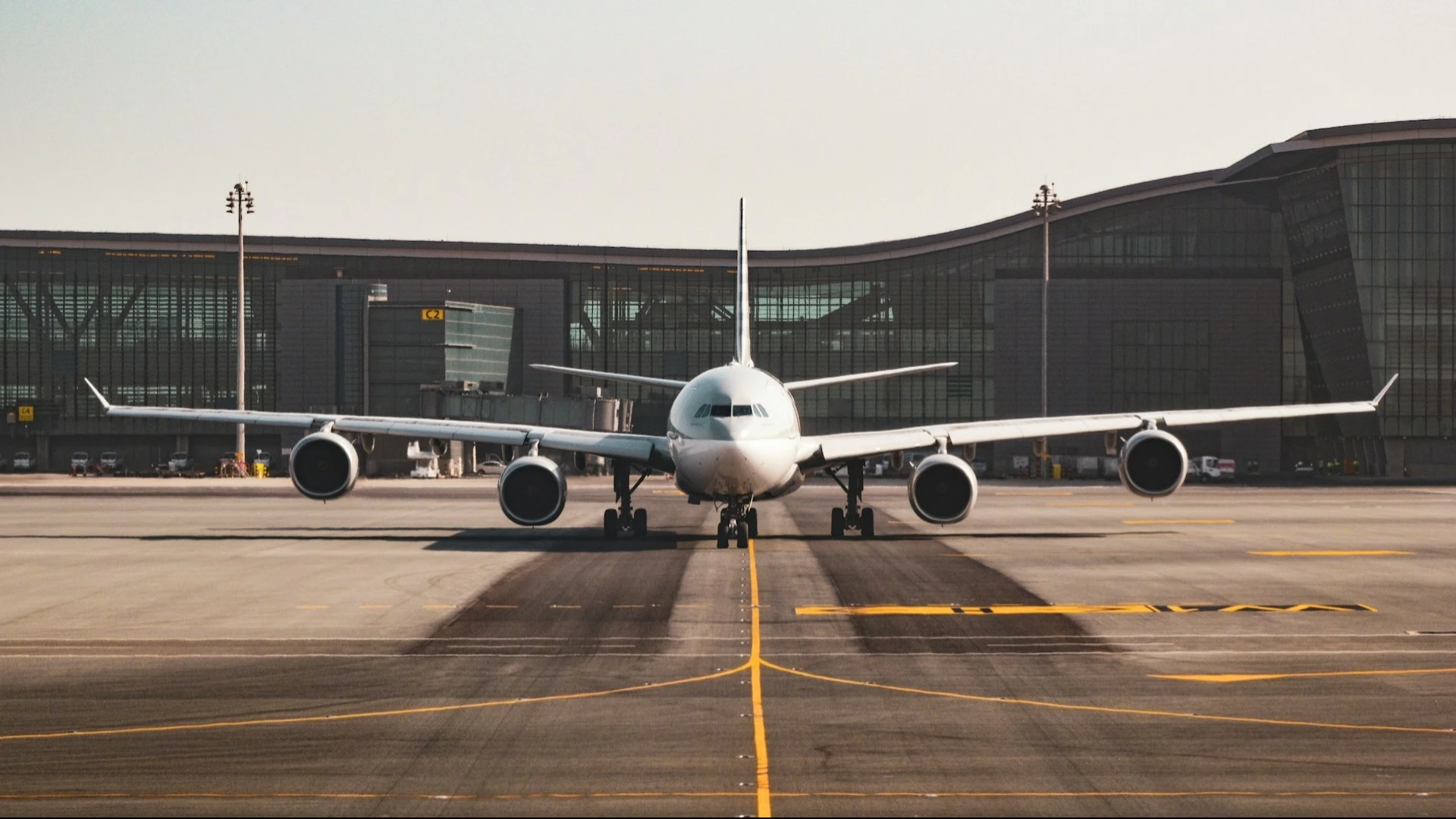
Europe Avoided an Aviation Fuel Shortage / Photo: Unsplash.com / Bao Menglong
Europe has avoided the jet fuel shortage that some market experts had feared ahead of the peak season, according to Bloomberg. A sharp increase in domestic production and a shift in import sources have offset the decline in supplies from the Persian Gulf.
Concerns about a possible jet fuel shortage in Europe stem from the continent’s dependence on supplies from the Persian Gulf, the agency notes. The closure of the Strait of Hormuz due to the war in Iran cut off the traditional route for tankers from the region. This led to a record surge in jet fuel prices and forced airlines to cancel flights. In April, the International Energy Agency stated that Europe’s jet fuel reserves might last “six weeks or so.”
However, rather than causing a shortage, the blockade of the Strait of Hormuz prompted refineries to adjust their production plans. According to the consulting firm Energy Aspects, European refineries shifted production toward jet fuel and exceeded their seasonal output levels.
Spanish oil refiner Repsol reported that it has increased jet fuel production at its facilities by nearly a quarter. Shell, which owns Europe’s largest refinery, Pernis, stated that its plants have ramped up fuel production to the maximum. Austrian oil refiner OMV reported that it is fulfilling all its contractual obligations to customers and sees no signs of disruptions in supply chains.
At the same time, imports of jet fuel from the United States and Nigeria rose sharply, making it possible to replace supplies from the Middle East.
As a result, air traffic in Europe was not disrupted and has even exceeded the figures for the same period in 2025 in recent weeks, according to Eurocontrol. “The aviation fuel market managed to limit the impact of the closure of the Strait of Hormuz by partially replacing the shortfall from the Middle East with imports from other sources and by increasing production within the EU,” the European Union said in a statement.
About a dozen aviation industry executives have expressed confidence in the reliability of fuel supplies for the summer and beyond. Major holding companies, including IAG and Air France-KLM, have announced that they are diversifying their fuel sources.
"Our fuel suppliers do not expect any problems this summer," said SAS Chief Analyst Thomas Tessén. According to him, most airlines likely believe they have the situation under control to some extent, even though fuel prices remain relatively high.
Nevertheless, some airlines have noted that, despite assurances regarding the reliability of the supply chain, passengers are exercising caution due to concerns about the economic situation and fears of being stranded abroad. As a result, some tourists are postponing their ticket bookings until the last minute or opting out of long-haul routes.
This article was AI-translated and verified by a human editor