Europe may not be able to secure the necessary volume of LNG in time for winter: gas prices have risen by 50%
The natural gas market has begun to react more sharply to the latest escalation of the war between the U.S. and Iran

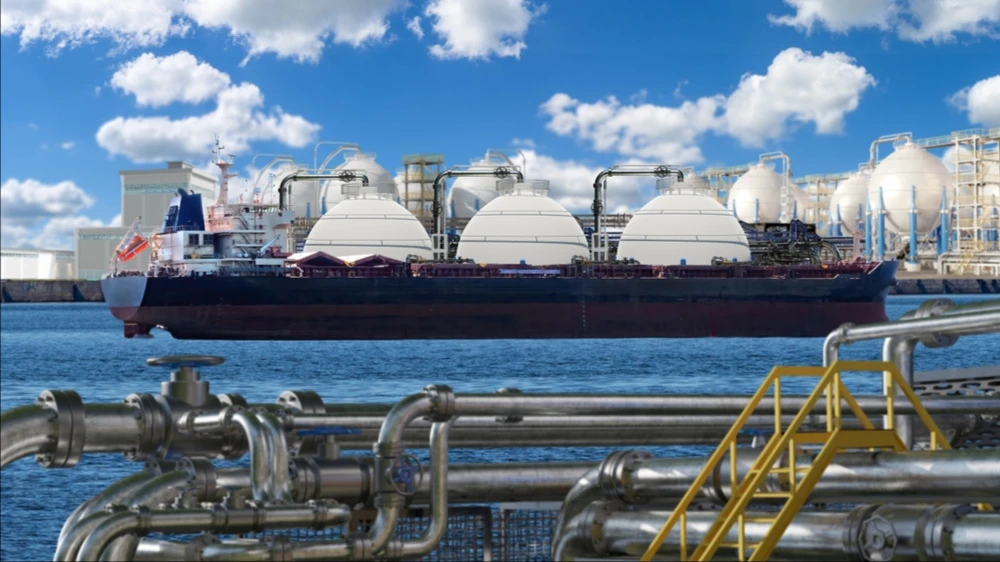
Gas prices have approached the highs reached in the early days of the conflict with Iran / Photo: FOTOGRIN / Shutterstock.com
Gas prices in Europe have soared by nearly 50% over the past month. The heat wave and concerns about winter supplies have made the market particularly sensitive to new disruptions in energy shipments through the Strait of Hormuz, according to the Financial Times.
Details
On Wednesday, July 22, the price of the benchmark natural gas futures contract on the Dutch TTF hub exceeded €62 per megawatt-hour. This is about 49% higher than the level at the end of June and close to the highs reached in the early days of the conflict with Iran, the FT explains. Prices in the UK have risen by roughly the same amount.
By comparison, Brent crude rose by about 20% over the same period and was trading just above $94 per barrel on Wednesday.
Why Is Gas Getting More Expensive?
The rise in prices reflects a decline in supply on the global gas market, according to the FT. The heat wave in Europe has increased demand for electricity. At the same time, some French nuclear power plants have reduced their output, which has increased the region’s reliance on gas-fired power plants.
The market has begun to react more sharply to the latest escalation of the conflict between the U.S. and Iran, which has virtually halted traffic through the Strait of Hormuz, as Europe’s crucial winter heating season approaches, Christoph Halser, a natural gas market analyst at the consulting firm Rystad Energy, explained to the FT. “In March and April, winter had just ended, so demand was fairly low,” he said. “Now, as winter approaches, we have less and less time, so prices are reacting.”
Europe is also competing for supplies with Asia, where the summer heat has similarly driven up demand for electricity generated by gas-fired power plants. According to Halser, despite rising prices in Europe, they are still not high enough to divert LNG supplies from Asia. In recent days, suppliers have redirected several shipments of liquefied natural gas from Europe to Asian buyers willing to pay a higher price, the FT reports. According to Argus Media, France is expected to receive only 13 LNG shipments in July—the lowest monthly volume in more than five years. Eight shipments that were scheduled to arrive in August were also diverted to other markets, leaving the country with a total of 26 expected deliveries. On average, a single LNG shipment contains enough gas to supply about 40,000 homes for a year, the publication calculated.
High gas prices are making it difficult to replenish European storage facilities during the summer, when countries typically build up their reserves ahead of the winter heating season. Germany aims to fill its storage facilities to 70% of capacity by early November, but they are currently only 45% full, according to Argus data. Europe’s largest gas supplier—the Norwegian energy group Equinor—warned on Wednesday that the region may not reach its target storage levels before winter. This would leave it vulnerable to sharp price spikes as the cold weather sets in. “There is a great deal of uncertainty regarding the position we will be in as we enter the winter season,” Equinor CFO Torgrim Reitan said on Bloomberg Television.
What's Next
The International Energy Agency warned this week that further delays in resuming exports from the Gulf countries could lead to sustained tension in the gas market.
The baseline scenario from the Norwegian consulting firm Rystad Energy assumes that the Strait of Hormuz will reopen before the start of the fourth quarter. This would allow Qatar, one of the world’s largest LNG exporters, to fully resume production. However, if the strait remains blocked for longer, Europe may fail to reach its target storage levels, Halser warned. He also noted that over the past four years, the region has reduced its annual gas consumption by about 20% and built additional terminals capable of receiving LNG and converting it back into gaseous form.
This article was AI-translated and verified by a human editor