Fed Official Reassures Markets: Expectations for a Rate Hike Have Diminished, U.S. Stocks Rise

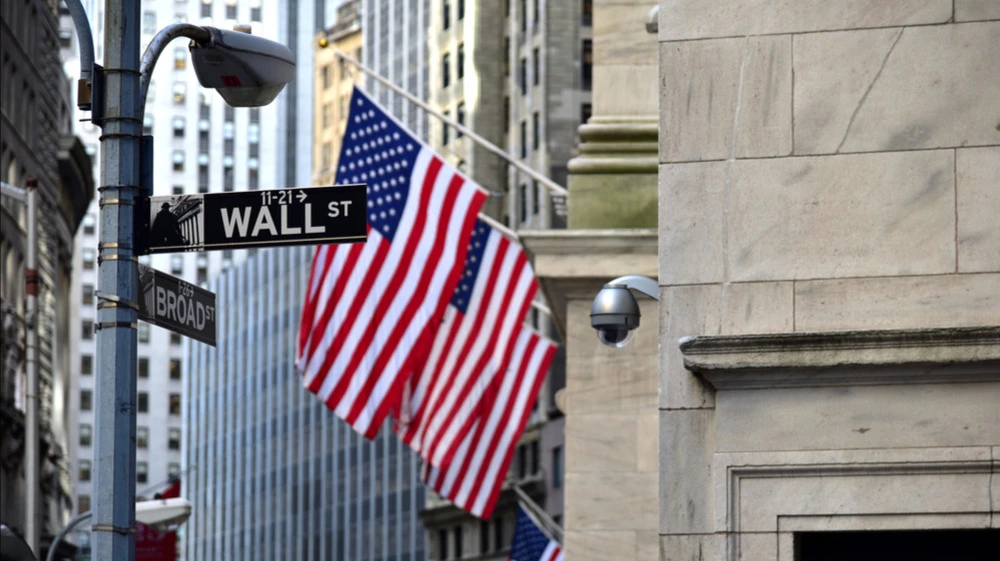
Traders now estimate the probability of a key rate hike or a hold in September at nearly 50-50 / Photo: Lee Nanjoo / Shutterstock.com
Following a statement by Federal Reserve Board member Christopher Waller that he was prepared to support keeping the interest rate at its current level at the Fed’s September meeting, U.S. stocks surged, and traders scaled back their expectations for a rate hike at the Federal Reserve’s upcoming September meeting.
While market participants had estimated the probability of such a move at 63.2% the day before, it has now fallen to 50.4%, according to data from the CME Group’s FedWatch tool. Conversely, the probability of the rate remaining unchanged has risen from 36.8% to 49.6%.
The stock markets also reacted positively to Waller’s statement. The S&P 500 broad-market index rose 1.08% on September 3. The Dow Jones Industrial Average, a blue-chip index, gained 1.22%. The Nasdaq Composite, a technology-heavy index, jumped 1.42%.
The yield on 10-year U.S. Treasury bonds fell by 4.8 basis points to 4.746% per annum, while the yield on 30-year bonds fell by 3.7 basis points to 5.23% per annum.
The ICE U.S. Dollar Index, which tracks the U.S. currency against a basket of six currencies, fell 0.64% to 98.958 points. The dollar also fell against the yen to an intraday low of 155.5 yen per dollar—its lowest level since August 3. The dollar’s nearly 2% drop against the yen was the sharpest since July 30, when the U.S. currency fell 2.37% against the Japanese currency, according to CNBC.
What People Are Saying in the Market
Waller reiterated that decisions will depend on incoming data, and offered an optimistic assessment of recent progress in bringing down inflation ahead of the latest inflation report before the Fed’s September meeting, noted Krishna Guha, vice chairman of Evercore ISI and head of central bank strategy. “We reiterate our forecast: in September, the Fed is more likely to leave rates unchanged than to raise them, although, in our view, the decision will be very close and will indeed depend on the next batch of inflation data,” Bloomberg quoted Guha as saying.
This article is being updated
This article was AI-translated and verified by a human editor