Strategist: “The idea of the Treasury market's dangerous phase is overdone”
A rise in yields on 10-year Treasury bonds to 6% or higher could lead to a crisis of investor confidence in the United States, according to Zachary Griffiths

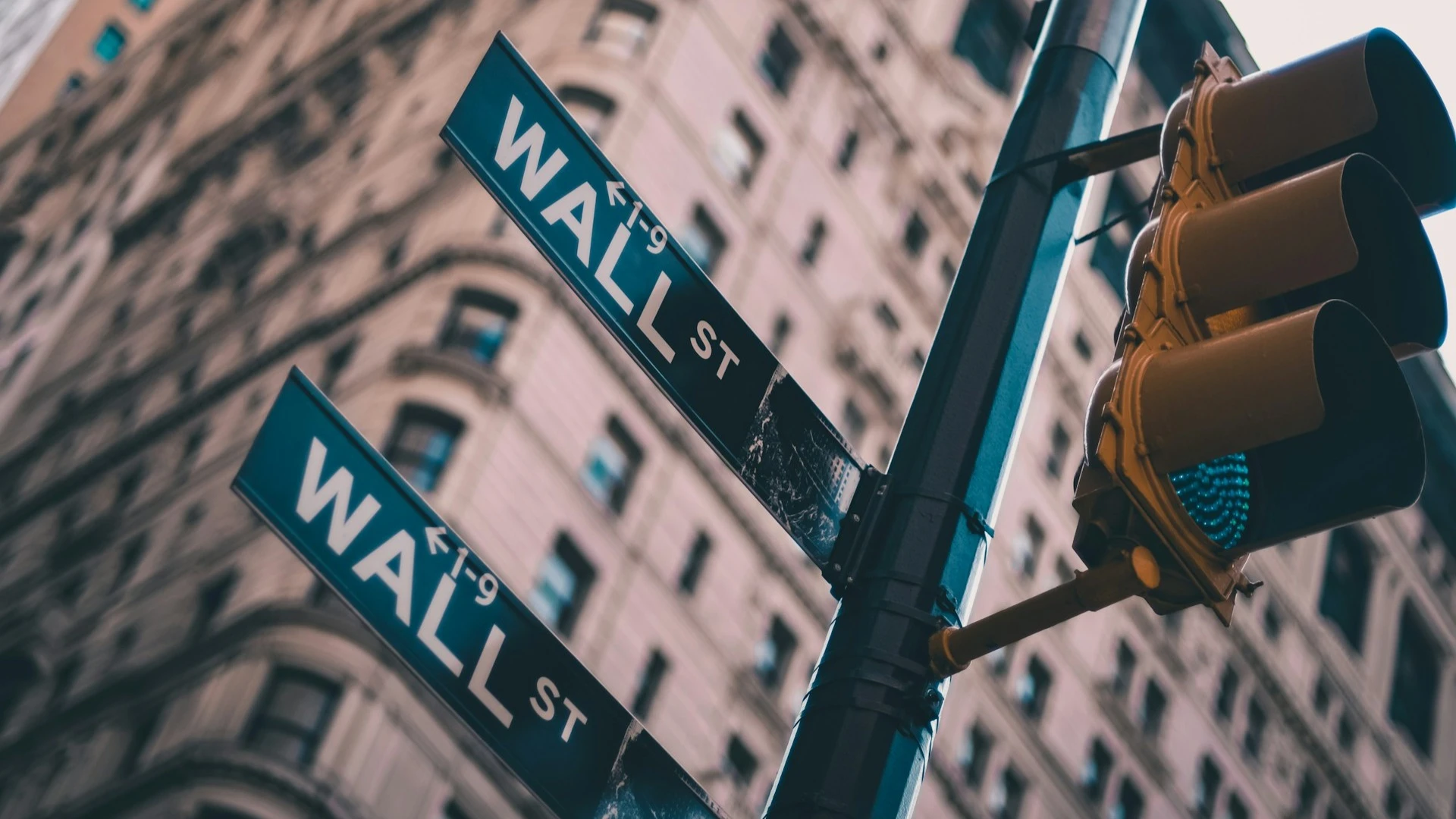
CreditSights strategist Zachary Griffiths believes that a rise in 10-year Treasury yields to 6% or higher would be a “bad” outcome in terms of market confidence in the U.S. institutional sector. Photo: Ditya Vyas / Unsplash
In August, a crisis erupted in the U.S. government debt market: yields on 30-year U.S. Treasury bonds reached their highest level in nearly 20 years (5.34%) in the middle of last month, while the yield on 10-year Treasuries—the market benchmark— was approaching its January 2025 peak as of September 1. BlackRock believes investors need to get used to the idea that high yields are here to stay. However, Zachary Griffiths, head of investor-grade bonds and macro strategy at CreditSights (a division of Fitch), believes there is no sign yet of a full-blown crisis of confidence in U.S. debt.
“there is still a long way to go before we reach structural problem. For now it is a mechanism that reprices term premium higher. The combination of Treasury trying to manufacture lower rates through market intervention and the transition at the Fed has proven to be a powerful combination that has clearly lifted the ceiling on rate when it comes to repricing what I’d broadly call US institutional risk premium higher (in August, the U.S. Treasury doubled the volume of its bond buybacks from the market—Ed.),” Griffiths told Oninvest.
Other factors supporting the elevated cost of U.S. government debt include heightened inflation expectations and the outlook for the Fed’s monetary policy. The situation is further exacerbated by the rise in debt issuance by hyperscalers, especially when you consider how heavily they have relied on the long end of the curve to finance their AI buildout. AI-related issuance on its own is hardly a reason for Treasury term premia to remain elevated. Thus, it is a contributing factor at the margin that may be having an outsized impact given the other factors, Griffiths said.
Massive debt issuances to finance companies' AI infrastructure are eating into savings and are seen as one of the factors driving up yields on U.S. government securities, noted Reuters earlier.
In addition, the U.S. economy and corporate profits turned out to be stronger than expected, Griffiths adds. In the second quarter of 2026, U.S. corporate profits reached a record $4.8 trillion, or 18% of national income—the highest share since World War II, according to the Financial Times.
"With the US government expected to continue running deficits in the 5-6% range, it creates a challenge for the government in how costly it is to fund persistently elevated deficits,” said Griffiths.
What are the prospects for how the situation will develop?
According to Reuters, the latest escalation of the conflict with Iran has heightened fears that central banks will have to raise interest rates to combat inflation. The likelihood of a Fed rate hike in September has increased: following comments by Fed Chair Kevin Warsh that progress in fighting inflation has been insufficient, investors are bracing for a scenario of higher rates over a longer period of time.
At present, "the idea of the Treasury market entering a “dangerous” phase is a bit overdone", Griffiths said. The market is likely approaching a point where the budget deficit and higher borrowing costs will finally force lawmakers to adopt a more fiscally responsible approach.
"These transitions take a lot of time, but we may be seeing the early innings of that today," he believes.
Bond yields may decline, but this is unlikely in the near term, CBS reports, citing analysts. In the short term, volatility in the bond market is likely to persist. Yields on 30-year and 10-year Treasury bonds will reach 5% and 4.5%, respectively, by the end of the year, according to an earlier estimate by Ulrike Hoffmann-Burkhardi, Chief Investment Officer for North and South America and Head of the Global Equities Division at UBS Global Wealth Management.
What might a “bad” outcome look like?
Bond investors are increasingly questioning the safety of U.S. Treasury bonds and are beginning to view them as a risky asset, according to Reuters.
A rise in the yield on 10-year Treasury bonds to 6% or higher would probably be a “bad” outcome in terms of a shift in the markets confidence in the US institutionally, according to Griffiths. However, he adds, if the 10-year Treasury yield moved toward 6% it would get bought back down fairly quickly absent some sort of major shock.
On September 3, it stood at 4.77%.