Fitch cuts France’s credit rating outlook ahead of fresh protests
The ratings agency cited a widening budget deficit and political instability that complicate fiscal consolidation


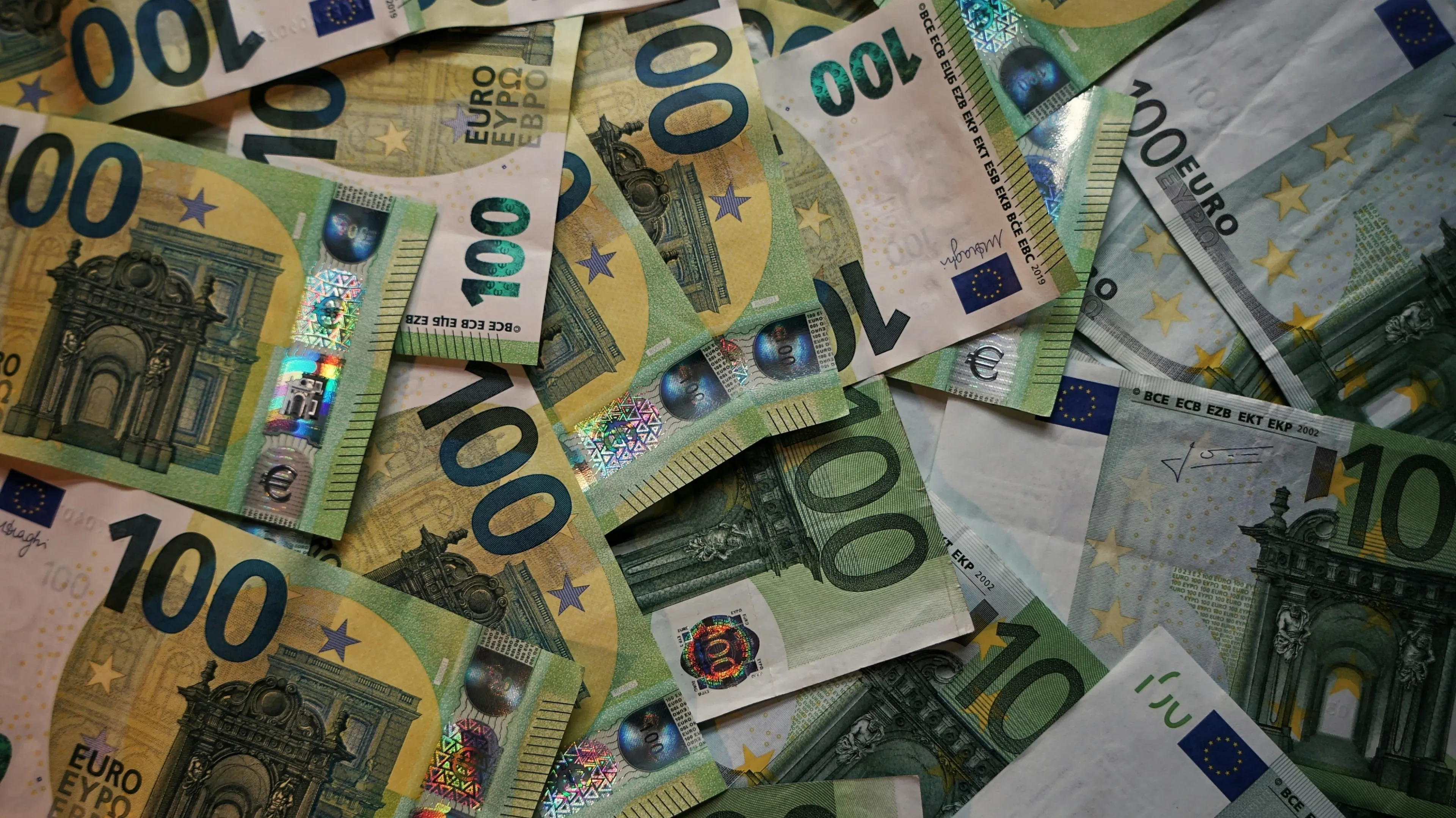
Fitch’s decision came ahead of fresh protests across France / Photo: Shutterstock
Fitch Ratings has revised downward its outlook on France’s credit rating to negative. The unscheduled decision underscores how quickly the country’s public finances are deteriorating, Bloomberg reports.
Details
Fitch revised its outlook on France’s long-term ratings from stable to negative late on Friday, citing weaker economic growth, higher borrowing costs, and a widening budget deficit. It affirmed the rating at A+, on a par with Portugal and Belgium and six notches above junk.
The outlook change reflects “a deterioration since our August 2026 review comprising weaker growth, higher borrowing costs and a wider deficit,” Fitch stated. It estimates that the cumulative fiscal adjustment needed to stabilize debt has risen to around 3.5% of GDP, versus 3.0% in August. Persistent political fragmentation and a challenging social backdrop, meanwhile, make sustained fiscal consolidation harder to achieve, Fitch noted.
The ratings agency also pointed to large protests over public services and rising living costs as a further obstacle to fiscal consolidation. Its decision came ahead of fresh protests planned for the weekend in French cities, including Paris.

Context
France’s economy unexpectedly contracted in the third quarter, weighed down by a persistent slump in investment, according to official data. This year’s budget deficit is expected to reach 5.4% of GDP.
Prime Minister Sébastien Lecornu has proposed a budget that would sharply restrain spending and increase tax revenue to reduce the deficit to 5% next year. However, the proposal's future remains uncertain because the government lacks a majority in parliament, Bloomberg notes. Opposition groups are unwilling to compromise as they look ahead to the presidential election six months away. Leading candidates from the far left and the far right are proposing radical policy changes like lowering the retirement age and substantially increasing taxes on businesses.

The yield spread between French and German 10-year government bonds reached 178 basis points this month, versus 85 basis points at the start of September, before the selloff began. It stood at around 165 basis points on Friday.
Fitch has taken an activist stance on France and its public finances, leading other major ratings agencies in cutting its assessments, Bloomberg notes. Moody’s Ratings, whose rating on France is one notch higher, opted against a downgrade last week while maintaining its negative outlook. French Finance Minister Roland Lescure hailed that decision at the time as one that “recognizes the solidity of our economy and the credibility of the budget presented by the government.” On Friday, his tone was more subdued: Fitch’s “assessment underlines the pressing need to pass a responsible budget before the end of the year,” he said.
Fitch and S&P Global Ratings both downgraded France in autumn 2025 amid deteriorating public finances and political uncertainty over the budget. Fitch stated that developments in the country warranted a “deviation from the calendar,” explaining its unscheduled decision. The next scheduled review of France’s rating is due to conclude by the end of February.