Freedom sees the lack of funding for AI as a risk of a market correction. Who might benefit?

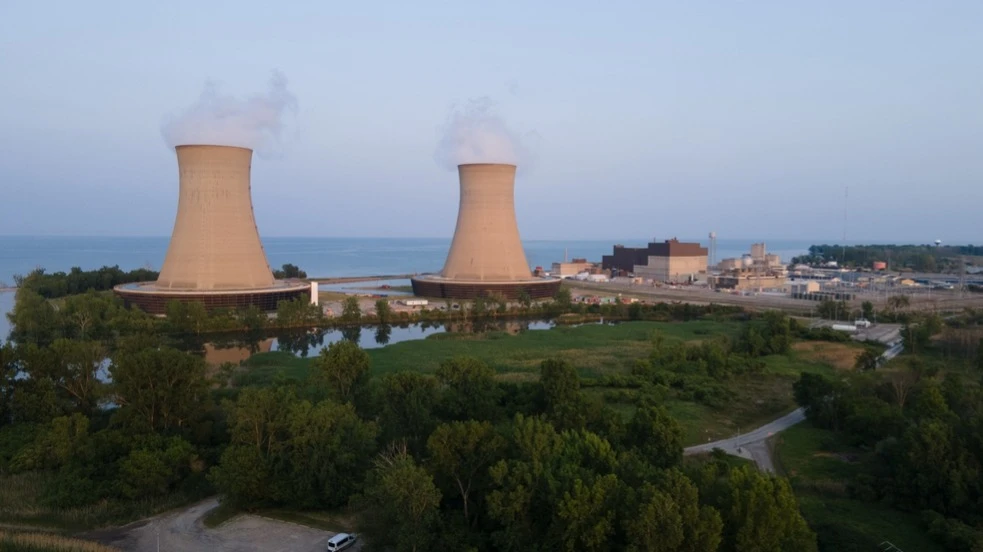
Freedom Cited the Energy Shortage for Data Centers as a Risk / Photo: Matthew G. Eddy / Shutterstock
A new risk factor that will be discussed repeatedly throughout the year and is likely to lead to a significant market correction will be the shortage of available power grids for connecting data centers, according to Freedom Broker’s strategic outlook for the end of 2026 and all of 2027. The document is available to OnInvest. Analysts expect the first wave of investor concerns to emerge as early as this winter.
“On the one hand, this will spur interest in all possible energy sources (fuel cells, turbines, renewable energy, etc.); on the other hand, it will deal a severe blow to suppliers of components for AI infrastructure,” analysts noted.
In particular, the shortage of available power capacity—along with risks such as upcoming major IPOs by AI labs and the search for the peak of the memory cycle — could lead to sharp local corrections in the semiconductor and semiconductor equipment sectors, Freedom warned.
What opportunities does this open up?
The boom in data centers for artificial intelligence is already beginning to strain the power grid’s capacity. The problem is particularly acute in regions with a high concentration of such facilities: existing generation and grid capacity is not always sufficient to meet rapidly growing demand, and the construction of new power plants, transmission lines, and substations can take years.
According to a forecast by the International Energy Agency, global electricity consumption by data centers will nearly double between 2025 and 2030. Morgan Stanley expects even more rapid growth in the U.S.: by 2029, data centers’ demand for power to run IT equipment will increase by 755%, the investment bank estimates .
Against this backdrop, major technology corporations are increasingly turning to the modernization of existing power plants. Upgrades are cheaper and can be implemented more quickly than building new plants or adopting next-generation technologies such as small modular reactors, which have not yet proven their effectiveness on a commercial scale, according to CNBC. The latest example is Google’s 20-year contract with Constellation Energy, a leading U.S. nuclear power operator, to purchase electricity for its data centers. The agreement calls for the modernization of 11 reactors at six operating plants, which will increase their combined capacity by 890 megawatts. Against this backdrop, Constellation’s stock soared 12.2% on October 6, ranking among the top three gainers in the S&P 500 index.
Last week, Constellation also signed a contract with Amazon to add 190 megawatts to the capacity of the Calvert Cliffs Nuclear Power Plant, the only nuclear power plant in Maryland, according to CNBC.
"This is exactly the kind of growth in the nuclear energy sector that investors want to see... high-quality, low-risk growth that increases earnings predictability, reduces risks associated with the company’s capital allocation strategy, and reinforces confidence in how Constellation plans to invest its substantial cash flow,” — SeekingAlpha quotes KeyBanc analyst Sophie Karp as saying.
This news confirms a key element of the “bullish” outlook for the company’s stock, the analyst wrote. “While broader electricity market reforms remain a subject of debate and create uncertainty for the sector, Constellation’s ability to execute its plans amid this uncertainty is a definite plus for our optimistic view of the company and the sector as a whole.”
The agreement is also positive for other independent power producers with nuclear power plants, which may also be candidates for capacity upgrades, noted Evercore ISI analyst Nicholas Amicucci.
On Monday, October 5, it was reported that Vistra would receive a loan of approximately $4.2 billion from the U.S. Department of Energy to increase electricity production at its nuclear power plants, and during trading on October 6, its stock price was also buoyed by news of a deal between Google and Constellation Energy. Over the past five days, Vistra’s market value has soared by 16%.
Shares of other energy producers also rose: for example, Talen Energy and NRG Energy—by 7%. Deals by tech giants to modernize nuclear power plant capacity are also beneficial for uranium enrichment companies, including Centrus Energy, due to rising demand for fuel, an Evercore analyst noted. Centrus’s stock price jumped more than 7% on Tuesday.

This article was AI-translated and verified by a human editor