Luxury spending in the U.S. has been falling for the third month in a row. Which luxury companies are feeling the impact?
And which brands are holding up the best?

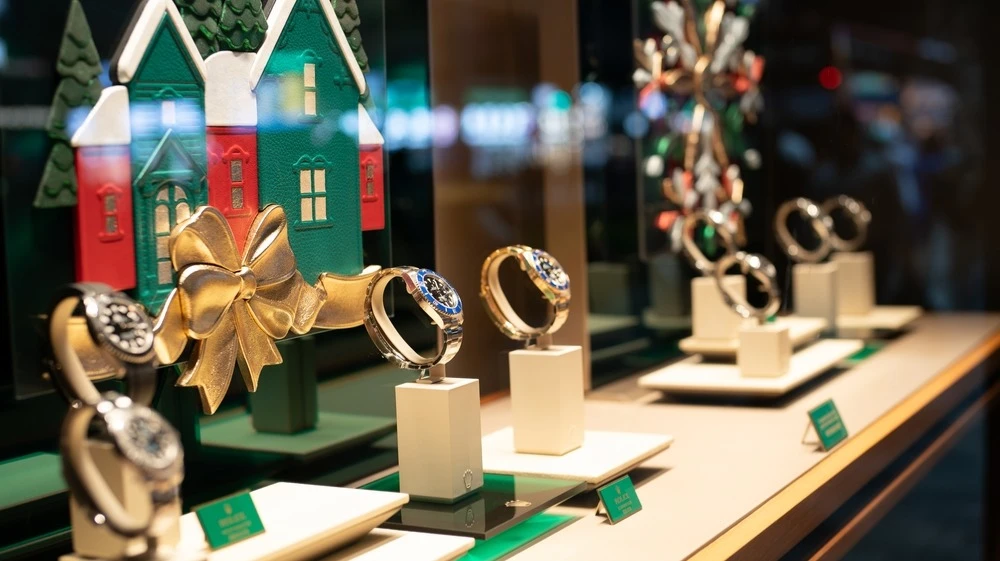
In September, Americans' credit card spending on luxury brands fell for the third consecutive month / Photo: Sorbis/Shutterstock
U.S. credit card spending on luxury brands declined in September for the third consecutive month: total spending fell 6% year-over-year—following a 4% decline in July and August, according to data from Citi analysts. This points to weakening demand in the industry’s largest market, while the sector is also facing challenges in other key regions—China, Europe, and the Middle East, Reuters reports.
What conclusions did Citi reach?
Luxury brands, which have been hit by a prolonged slump in demand in China and the economic fallout from the U.S.-Iran conflict, had pinned their hopes on steady demand from affluent American consumers to pull the sector out of its protracted crisis. However, uncertainty ahead of the midterm congressional elections, rising Treasury yields, and high mortgage rates are forcing consumers in this market to curb their spending, Reuters notes.
Among the companies most dependent on the U.S. market, Citi cited Tapestry (owner of Coach and Kate Spade), the French conglomerate LVMH (Louis Vuitton, Tiffany), and the Italian company Ferragamo.
On the other hand, “brands that are more focused on the wealthiest customers should remain relatively resilient thanks to the wealth effect from the stock market’s rise,” notes Citi. While the decline in sales of watches and jewelry accelerated in September, spending on leather goods and ready-to-wear clothing, by contrast, improved slightly.
What Other Analysts Are Saying
Morgan Stanley analysts said in September that the downturn in the U.S. leaves brands with little chance of a long-awaited return to growth after two years of continuous decline. The earnings season kicks off on October 12 with the release of results from LVMH, which is considered a barometer for the industry. Meanwhile, Kering, the owner of Gucci, whose report is expected on October 22, has already warned of an impending slowdown in the U.S. market, Reuters notes.
The analytical publication Finimize suggests that shares of luxury companies may currently be reacting more strongly to expectations than to actual results from the last quarter. If the market interprets Citi’s data as an early sign that U.S. consumers are cutting back on spending, analysts will lower their short-term revenue forecasts for major French groups such as LVMH, Kering, and Hermès. Even a slight deterioration in expectations would hurt estimates of these companies’ future earnings, according to Finimize. Moreover, given their enormous weight in the indices, this could drag down the entire French stock market, the publication concludes.
Investors are increasingly favoring “fast fashion” retailers—Zara (Inditex) and H&M, according to The Wall Street Journal. Shares of luxury giants are trading at an unusual discount relative to those of mass-market retailers: for example, LVMH is trading at a discount of about 30% to Inditex based on price-to-earnings ratios, the newspaper calculated. Amid inflation and declining purchasing power, the mass consumer is shifting to more affordable brands or resale platforms, leading investors to fear that the luxury sector’s best days are behind it.
At the same time, brands that cater exclusively to a narrow group of the ultra-wealthy, such as Brunello Cucinelli, are less sensitive to market changes, the WSJ added. Cartier’s owner, Richemont, is also in a strong position, successfully attracting customers across a range of income levels, and its shares trade at the same price-to-earnings ratio as those of Zara’s owner.
This article was AI-translated and verified by a human editor