Gas prices in Europe have approached their 2022 highs

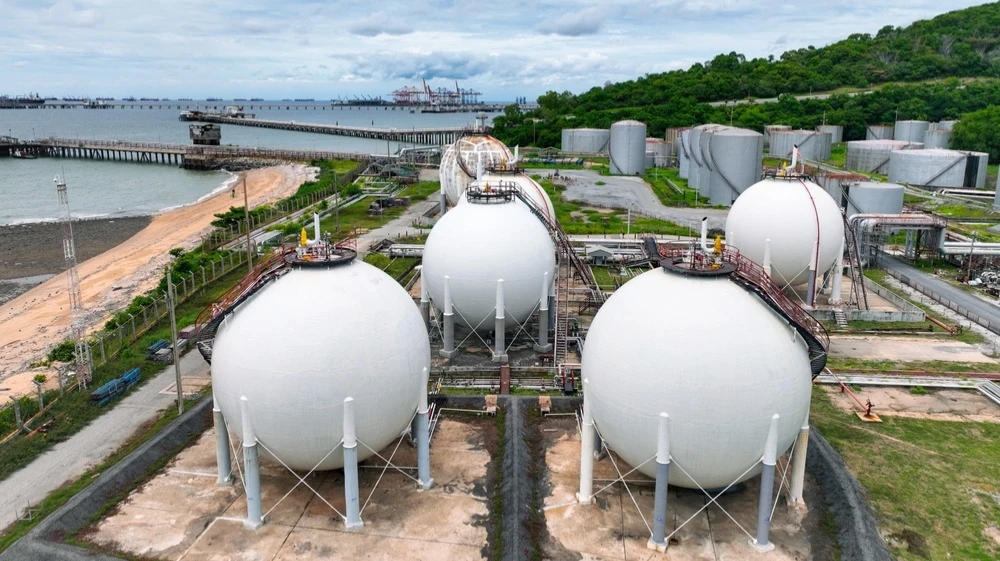
Gas prices in Europe surged above €83 but then fell back—a German state-owned energy company stated that it had not received any instructions from the government to inject gas into storage facilities / Photo: Fahroni / Shutterstock
On September 16, European gas futures prices approached their highest levels since December 2022, but then retreated after the German state-owned energy company Securing Energy for Europe GmbH (SEFE) stated that it had not received instructions from the government to purchase gas for injection into storage facilities, according to Bloomberg.
Details
On September 16, the price of natural gas futures in Europe rose by more than 4%—to over €83— — after which the rise slowed slightly and prices settled around €81 per megawatt-hour, which nevertheless represents an increase of more than 2% compared to the previous day’s close. The markets reacted to reports that German Minister of Economy and Energy Katharina Reiche had allegedly instructed SEFE to purchase gas to replenish the country’s reserves. In a comment to Bloomberg, representatives of the energy company stated that they had not received such instructions.
This market reaction underscores growing concerns about the depletion of gas reserves in Europe ahead of winter, according to Bloomberg. Gas storage facilities in the region are about 68% full, while in Germany—Europe’s largest energy market—that figure stands at just 56%, the agency reports. The German government had previously stated on multiple occasions that it would not intervene in the supply process; however, Bloomberg revealed in September that it had been in talks with state-owned energy companies about supporting efforts to build up reserves.
Concerns about low reserves are also driving up gas prices for next year. Contracts for the summer of 2027 are more expensive than winter contracts, and this week the spread between them reached a record high, according to Bloomberg. This leaves traders with little incentive to buy gas during the warmer months and inject it into storage facilities. As a result, filling those facilities for the third consecutive year could prove challenging as the global market remains in deficit, the agency explains.
Since the beginning of the year, gas prices in Europe have nearly tripled, fueling inflation and posing a threat to the region’s economy. Demand for LNG from Asia is setting the stage for a fiercer battle for fuel supplies as the cold weather sets in, Bloomberg notes.
What Analysts Are Saying
There is a risk that European gas prices could approach €100 per megawatt-hour this winter—a 25% increase from current levels, according to Bloomberg Intelligence expert Patricio Alvarez. This is due to persistent supply disruptions from the Middle East and record-low inventories in Europe, he noted. A further escalation of the conflict with Iran could push prices even higher than €120, the analyst added. This estimate implies a rise of approximately 50% from the current price.
Context
Meanwhile, the U.S.-Iran conflict, which has disrupted about a quarter of global LNG supplies, shows no signs of ending soon. U.S. President Donald Trump suggested in September that hostilities would cease after the U.S. midterm elections in November. Vice President J.D. Vance echoed this view in an interview with the New York Post on September 15. “We cannot predict the future, but I think the president is right when he says that in a couple of months, all of this will enter a completely different phase,” he remarked.
This article was AI-translated and verified by a human editor