Gas prices in Europe have reached a three-year high due to the crisis in the Strait of Hormuz
As winter approaches—for the first time since the 2022 energy crisis—gas prices in Europe could spike above €100, analysts warn

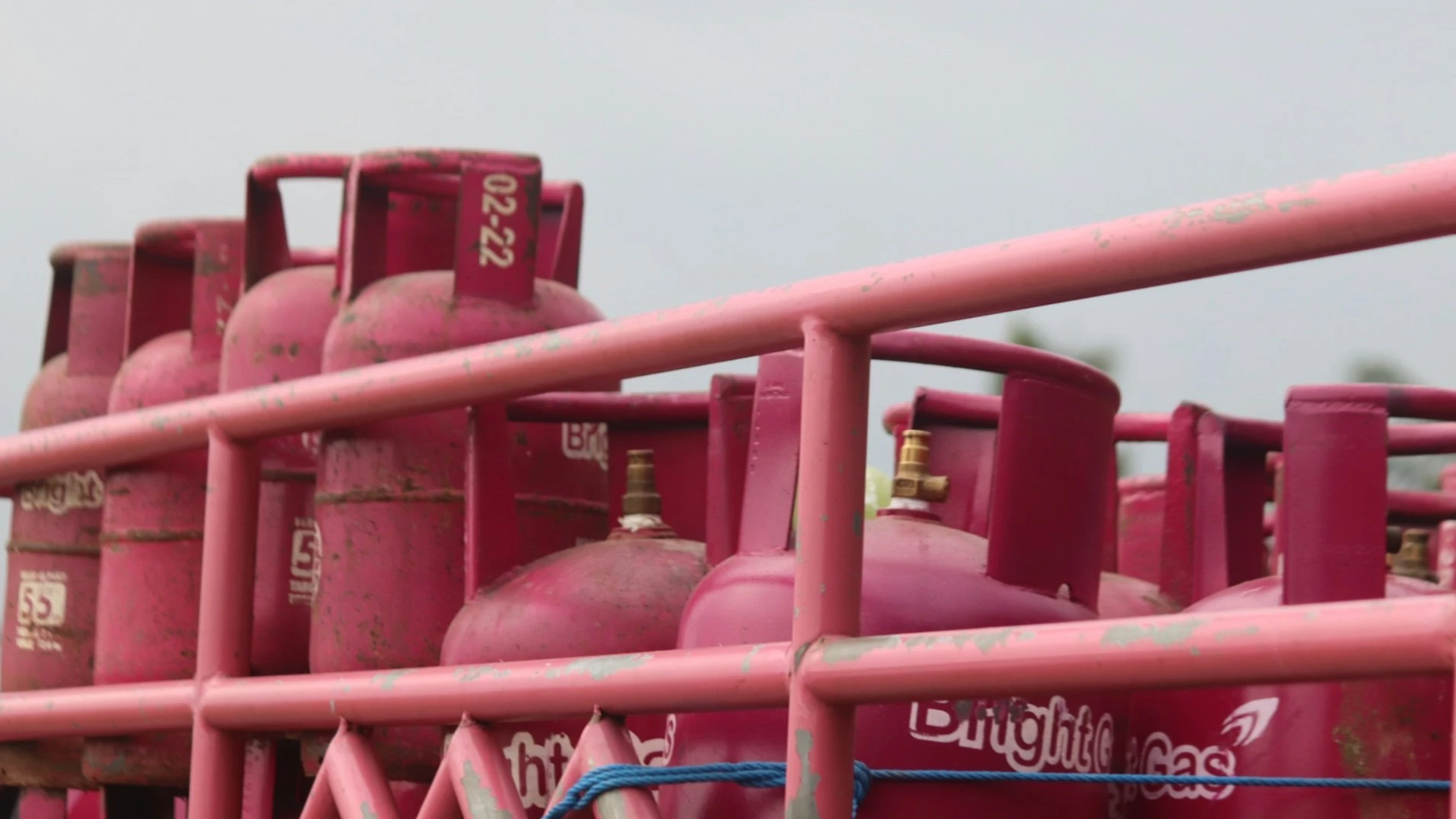
Photo: Mufid Majnun / unsplash
EU countries are bracing for gas supply shortages this winter due to the conflict in the Middle East, according to the Financial Times. Earlier this week, the price of liquefied natural gas (LNG) in Europe rose to its highest level in more than three years.
Details
Futures on the Dutch TTF hub—a key benchmark for natural gas in Europe—jumped above €68 per megawatt-hour on Tuesday, August 25, the highest level since the beginning of 2023, but then fell slightly, according to CNBC. On August 27, September contracts were trading at €65.6, and October contracts at €65.76.
What People Are Saying in the Market
A potentially cold winter, combined with ongoing restrictions on supplies from Middle Eastern countries, could cause gas prices in Europe to rise to €90–120, warns Tankred Fulop, a senior analyst at Morningstar.
Analysts at Goldman Sachs also agree that natural gas futures in Europe could rise above €100 per megawatt-hour—for the first time since the 2022 energy crisis. According to their data, such a scenario could simultaneously help curb demand in Asia and allow Europe to maintain storage levels throughout the winter. This scenario is possible if LNG exports from the Middle East “normalize only gradually—through 2027,” Goldman Sachs analysts wrote in a note dated August 23.
Context
Disruptions to shipments through the Strait of Hormuz—which, prior to the outbreak of the war in the Middle East in late February, carried about one-fifth of global oil and LNG exports—have led to a significant increase in energy prices. Moreover, gas markets have been hit harder by the war than oil markets—since transporting crude oil is simpler and does not require such complex and expensive vessels, according to the Financial Times. According to data from the monitoring firm Kpler, only eight gas tankers passed through the Strait of Hormuz last month, compared to about three per day before the war.
LNG shipments may be reduced even further in the near future, the FT reports—on Sunday, the Gulf Authority, established by Iran to control the Strait of Hormuz, threatened 46 ships passing through the waterway with fines or confiscation. All of them allegedly violated Iranian “security protocols.” Ten gas carriers have been added to Iran’s “blacklist,” the newspaper reports.
And although the reduction in LNG supplies from Middle Eastern countries has affected all importers of the commodity, Europe, according to the FT, has found itself in a particularly vulnerable position—its gas reserves were below normal levels before the war began. At present, CNBC reports, gas reserves in the European Union have fallen to about 63%, according to data from Gas Infrastructure Europe. This level is one of the lowest on record for this time of year and is about 18 percentage points below the five-year average, the network notes.
This article was AI-translated and verified by a human editor