Morning in New York: The Main Question Is What Will Follow the Fed’s September Decision

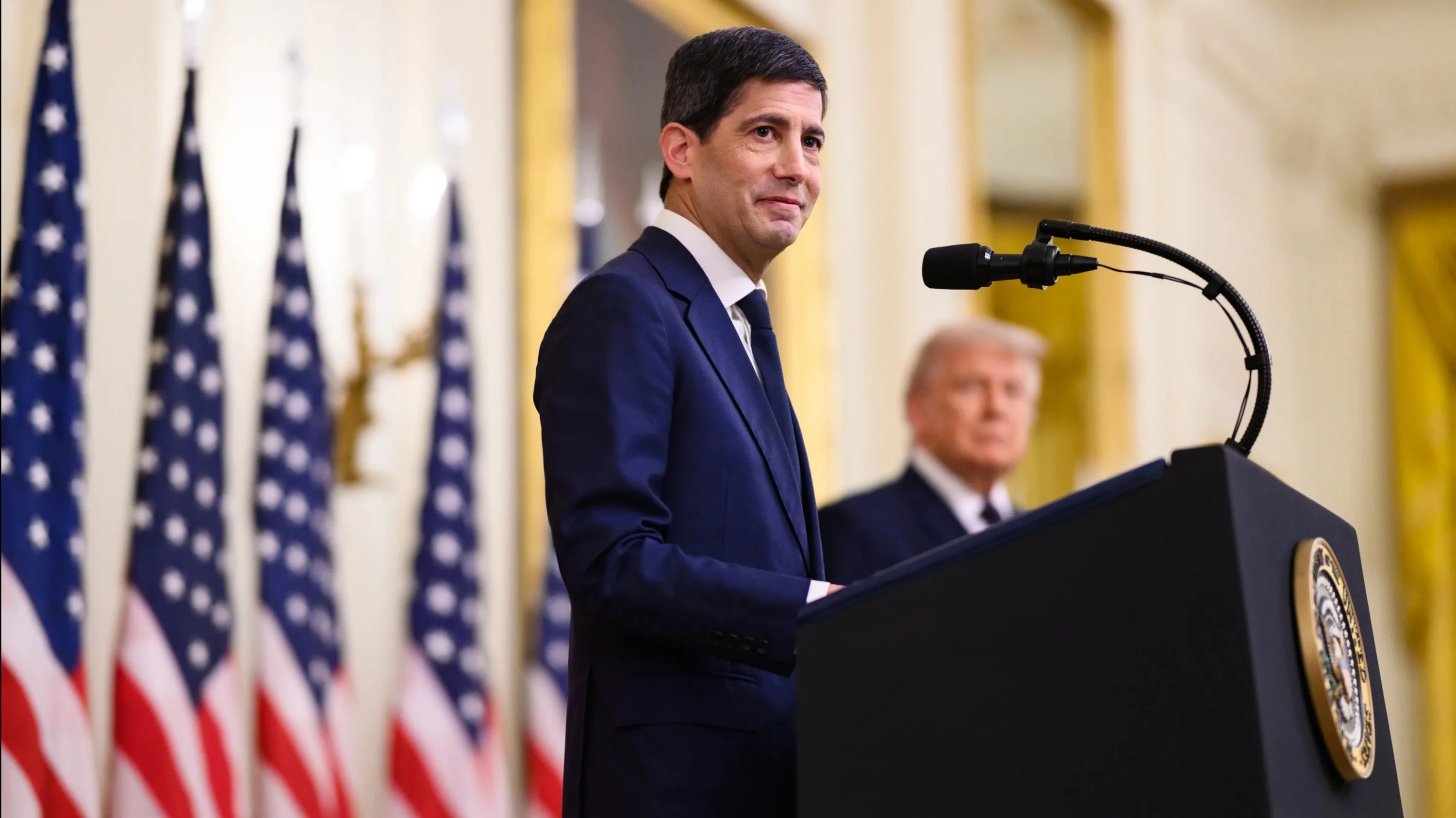
The market expects the Federal Reserve, led by Kevin Warsh, to raise interest rates, while President Donald Trump is calling for a cut / Photo: The White House
A daily review and forecast of events in the U.S. stock market by Mikhail Denislamov, Deputy Director of Capital Markets Research at Freedom Broker.
We expect
The main event of the upcoming session is the Fed’s interest rate decision, which will be announced at 2:00 p.m. Eastern Time (8:00 p.m. CET); the press conference will begin at 2:30 p.m. ET. By the evening of September 15, the futures market was pricing in a probability of a 25-basis-point hike at over 90%, although the FactSet calendar consensus suggests the upper bound of the range will remain at 3.75%. According to Freedom Broker, the core CPI came in higher than expected largely due to a one-time spike in mobile phone rates, while the slowdown in wage growth limits the risk of a sustained acceleration in inflation. Therefore, the main focus will be on the Fed’s updated projections and the future path of interest rates. If the central bank signals the need for a series of rate hikes, this could trigger a further rise in Treasury yields and increase pressure on stocks. A 25-basis-point hike accompanied by a signal that further tightening will be limited, on the other hand, could support the market. However, an unexpected pause does not guarantee a positive reaction either: investors may perceive it as inconsistency on the part of the Fed following its previous signals. High oil prices remain a risk to this scenario, increasing the likelihood that inflationary pressures will persist.

Oil continues to pose inflationary risks despite this morning’s pullback. After a sharp rise the previous day, Brent retreated to around $108 per barrel at the start of the Asian session, while WTI fell to $105 amid an unexpected increase in U.S. oil inventories, according to API estimates. Meanwhile, the situation with supplies from Saudi Arabia has worsened: following the shutdown of the East–West pipeline, reports emerged of a suspension of loading operations at the port of Yanbu and the cancellation of some September shipments to European buyers. The disruptions have affected a key export route that bypasses the Strait of Hormuz. U.S. Energy Secretary Chris Wright expects pumping to resume within a few days, but Reuters sources suggest repairs could take five to six weeks, with a possible partial restart sooner. The actual resumption of shipments will be the deciding factor.
Market positioning in Treasuries could amplify the reaction to the Fed’s decision. Swaps are pricing in a rate hike of about 50 basis points by the end of the year, including the September meeting. This concentration of rates on further yield increases creates the risk of a sharp unwinding of short positions and a rebound in bond prices if the Fed’s signals turn out to be more dovish than expected.
No major corporate earnings reports are expected before the market opens. After the market closes, Lennar (LEN) will report its third-quarter results.
S&P 500 futures are showing a moderately positive trend. We assess the risk balance for the upcoming session as neutral, with high volatility. High oil prices and elevated Treasury yields continue to put pressure on the market, while the Fed’s more dovish signals regarding the future path of interest rates could provide support for stocks.
What to Look for in the Pre-Market
— Intel (INTC) is up more than 5% on reports of talks with SK Hynix regarding the production of memory chips in the U.S. Discussions are underway regarding either leasing part of Intel’s facility in Ohio or establishing a joint venture with major cloud companies interested in securing memory supplies. A potential deal could help Intel attract partners to develop its manufacturing infrastructure. However, no agreement has been reached yet, the type of memory to be produced has not been determined, and implementation could be complicated by high costs in the U.S. and possible restrictions from South Korea.
— Trip.com Group (TCOM) is up about 4% following the release of its second-quarter earnings report. The main point of interest was the international business’s ability to support results amid a slowdown in revenue growth. Adjusted earnings per ADS came in at $1.07 versus a consensus estimate of $0.98, while revenue totaled $2.31 billion compared to the expected $2.29 billion. The beat on estimates boosted the stock, but adjusted EBITDA declined year-over-year, and a $763 million antitrust fine led to a GAAP loss. The sustainability of profitability remains the key issue for assessing the company’s future prospects.
— FTAI Aviation (FTAI) is up about 3% following the announcement of a share buyback program worth up to $500 million. The company plans to finance the purchases with cash on hand. The program creates an additional channel for returning capital to shareholders and may boost earnings per share by reducing the number of shares outstanding. It is scheduled to run through September 2029 and does not obligate the company to repurchase the entire stated amount.
— Ethos Technologies (LIFE) is down about 4% following a report on the repercussions of a system failure at its insurance partner, TruStage. According to the report, payment collection issues could have led to the termination of some policies and a loss of commission income. For investors, the key risk is potential adjustments to previously recognized revenue and additional expenses related to resolving issues with agents. The financial impact has not yet been determined. As of press time, Ethos had not responded to a request for comment.
— Beta Bionics (BBNX) is down about 7% following the announcement of a secondary offering, the size of which has been increased from $125 million to $150 million at a share price of $17.25. The proceeds may be used to commercialize the Mint insulin pump and expand production. The financing supports the development of the product line but comes at the cost of diluting existing shareholders’ stakes—the market will need to weigh the potential for future sales against the costs of launching the product.
The Market on the Eve of...
The U.S. market closed lower on September 15: the S&P 500 fell 0.45%, the Nasdaq 100 fell 0.65%, the Dow Jones fell 0.63%, and the Russell 2000 fell 0.76%. The sell-off was broad-based: the number of S&P 500 components that fell was more than double the number that rose, and the equally weighted RSP (−0.49%) virtually mirrored the performance of the SPY (−0.46%). The energy sector led the gains (XLE: +2.17%), while the discretionary consumer goods and services sector saw the sharpest decline (XLY: −1.75%). Unlike in the previous session, the weakness of several of the largest companies was no longer offset by the stability of the equally weighted index.
The main negative factor was a combination of high oil prices and high yields. The suspension of shipments from Yanbu, the cancellation of some Saudi deliveries, and disruptions in Libya heightened fears of a supply shortage: WTI rose by about 4.5%. The yield on 10-year Treasuries ended the day near 5%, and weak demand at the 20-year Treasury auction further complicated the situation in the bond market. The Empire State Index came in at 7.6 points versus a consensus estimate of 14.8, with the slowdown in activity growth accompanied by mounting price pressures. For stocks, this is an unfavorable combination of risks to corporate profitability and inflationary pressures, which could support a tighter Fed policy.
Among the largest components, Microsoft (MSFT: −1.64%) and Amazon (AMZN: −2.02%) weighed on the index, collectively contributing a negative 0.18 percentage points to the S&P 500’s performance. Nvidia (NVDA: +0.57%) and AMD (AMD: +2.19%) partially offset the decline: statements from industry executives about sustained demand for computing power supported select AI stocks. However, the technology sector as a whole did not recover. The weakness in the consumer sector was further underscored by a 19% drop in Dave & Buster’s (PLAY): its EBITDA came in about 18% below expectations, which outweighed a decline in comparable sales that was less severe than the market had feared.
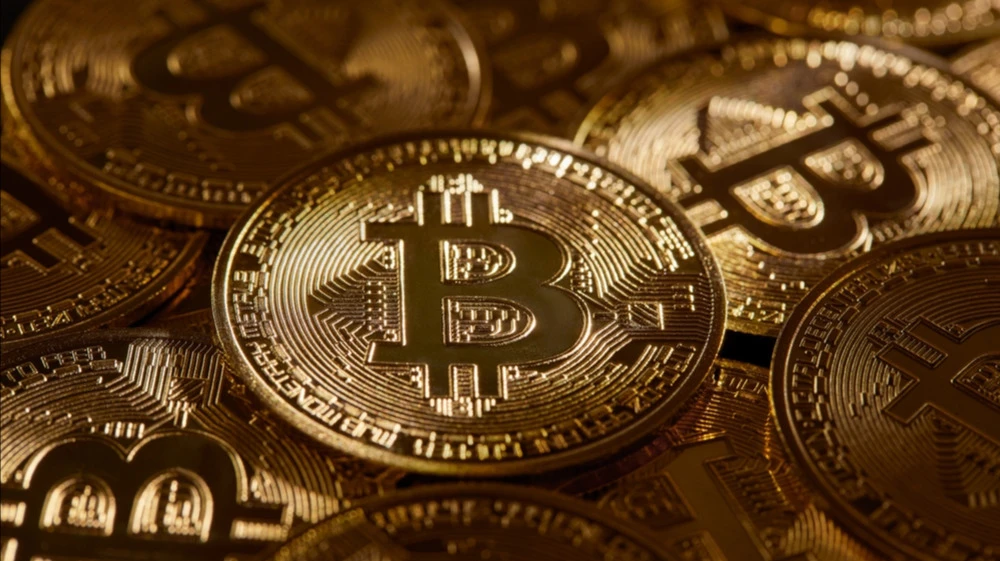
Cryptocurrencies came under particular pressure after the Senate blocked the CLARITY Act. In a procedural vote to end debate and move to consideration of the bill, 49 senators voted in favor, falling short of the required 60. While this does not constitute a definitive rejection of the initiative, the prospect of legislatively establishing uniform rules has become less certain. Bitcoin retreated to around $75,800, while Coinbase (COIN) lost 10.1%, Circle (CRCL) fell 11.4%, and Strategy (MSTR) dropped 5.4%. The reaction reflected disappointment regarding the timeline for resolving regulatory uncertainty: while the SEC and CFTC may continue their work, the agencies’ decisions are less resistant to changes in administration than federal law.
This article was AI-translated and verified by a human editor