Gold is on track for its first monthly price increase since February. What will happen next?
Precious metals are holding above $4,000 per troy ounce

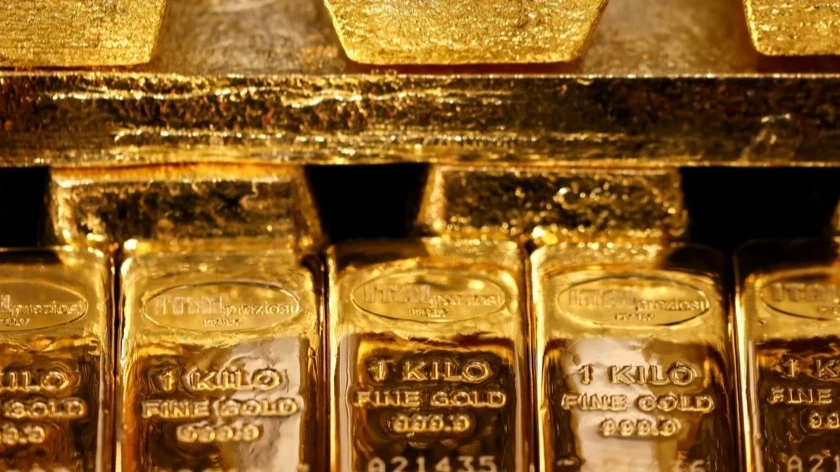
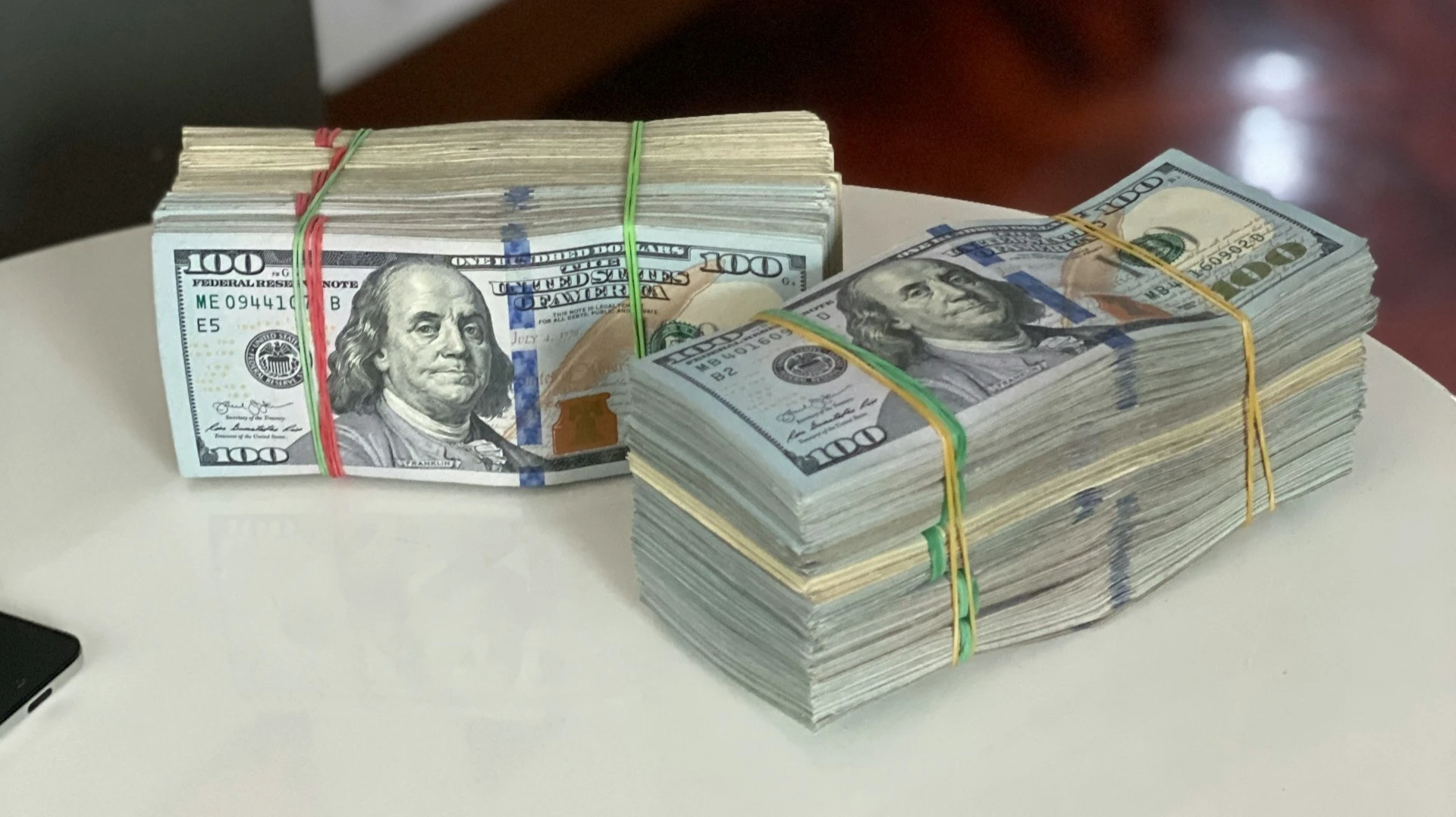
Gold is on track for its first monthly gain since February / Photo: Alessia Pierdomenico/Shutterstock.com
Gold is on track for its first monthly gain since February, according to Bloomberg. This was driven in part by the Federal Reserve’s (U.S. Fed) decision to keep interest rates unchanged.
The precious metal remains slightly up for the month, despite a drop in the spot price of gold by more than 1% on Friday, July 31, Bloomberg reported. During trading on the last day of the month, the price fell to $4,050.4 per troy ounce as the dollar strengthened against the Japanese yen. A stronger dollar reduces gold’s appeal to many global buyers, Bloomberg explained.
The yen rose 3.3% against the dollar on Thursday, July 30, during trading in New York—its sharpest one-day gain since December 2023. However, on Friday, the Bank of Japan left interest rates unchanged, and authorities refrained from supporting the currency or intervening, allowing the dollar to recoup its losses, according to Bloomberg.
During the military conflict between the U.S. and Iran, which has been ongoing for more than five months, gold has lost more than 20% of its value. High energy prices are fueling inflation, which increases the likelihood that interest rates will remain high for longer. This puts pressure on precious metals, which do not generate interest income, notes Bloomberg.
However, a wave of gold buying during the recent pullback has helped keep prices above the key level of $4,000 per ounce, the agency added.
What Does the Market Expect Now?
Traders will continue to monitor the situation for signals regarding the Fed’s next moves. The decision to keep rates unchanged at the July meeting was not unanimous: three members of the Board of Governors dissented because they were convinced that higher rates would be needed to bring inflation back to the 2% target.
Federal Reserve Chairman Kevin Warsh emphasized that this latest move does not mean the U.S. central bank will remain inactive. According to him, if inflation remains high throughout the forecast period, adjusting interest rates could be part of the solution.
Analysts note that the next major driver for the gold market will be the August economic symposium in Jackson Hole, where the Fed chair traditionally delivers policy statements, according to Bloomberg.
This article was AI-translated and verified by a human editor