Goldman Sachs has raised its oil price forecast for 2027. What risks does the bank see?

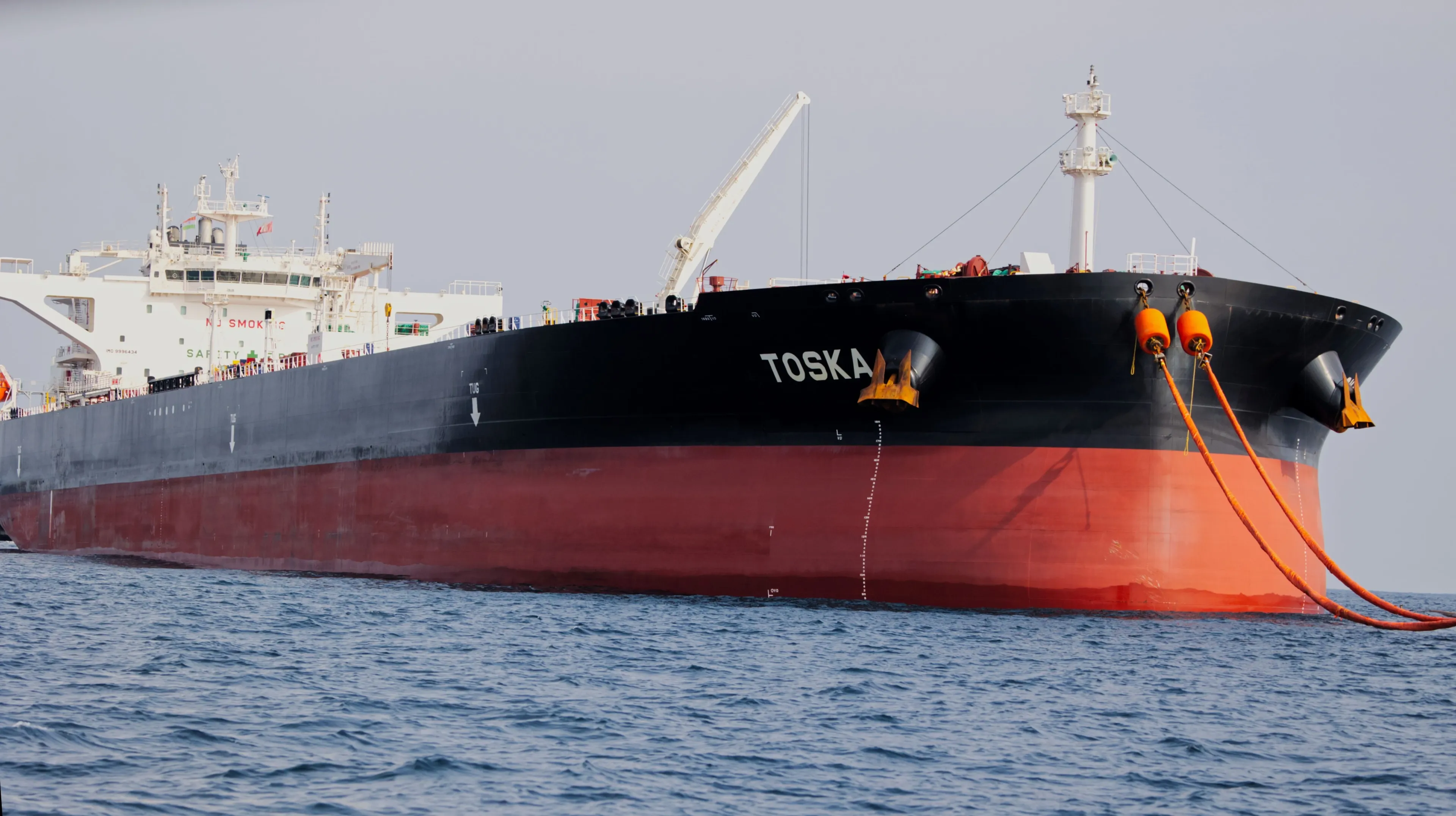
In its baseline scenario for 2027, Goldman Sachs factored in disruptions to global oil supplies amounting to 1 million barrels per day / Photo: Shekar Vishvanath/Shutterstock.com
Goldman Sachs, one of Wall Street’s largest investment banks, now estimates that a barrel of Brent crude will cost an average of $88 in 2027, up from its previous forecast of $80, according to CNBC. And the price of U.S. WTI, according to Goldman’s estimate, will be $78 instead of $73. The bank’s analysts attribute the revision to increased risks to oil supplies, Bloomberg reports.
Goldman expects the average price of Brent to reach $105 by the end of this year, up from its previous forecast of $90. Bloomberg notes that the bank is not the first to revise its expectations. Morgan Stanley has raised its fourth-quarter forecast for Dated Brent—a key indicator of physical oil prices—to the same level.
Goldman Expects Disruptions
According to Goldman Sachs, conflicts in the Middle East and between Russia and Ukraine pose a high risk to supplies. The bank decided to factor in potential disruptions in advance. “Since the timing and location of disruptions are nearly impossible to predict, our base-case scenario now assumes a disruption to global supplies of 1 million barrels per day in 2027,” the note states.
Goldman Sachs believes the market is already factoring in the risk of disruptions. “Significant risks of a supply shortage are likely to keep the risk premium high in the near term,” the bank’s analysts write. If attacks on ships increase and infrastructure is damaged, prices could rise above current levels, they add.
What's on the market
On the morning of Monday, November 2, Brent futures fell 3% to $110 per barrel, while WTI dropped below $101. The drop followed a surge in October: over the course of the month, Brent rose 13.6% and reached a six-month high. As Bloomberg notes, this occurred even though oil supplies from the Middle East had nearly returned to pre-war levels: the price increase was driven by fears that hostilities between Washington and Tehran would resume after the U.S. midterm elections on November 3.
The agency attributes the price drop to an Axios report: sources told the publication that U.S. President Donald Trump wants to give diplomats more time after the election and only then decide whether to resume the attacks. According to them, Trump told Israeli Prime Minister Benjamin Netanyahu in a phone call that he prefers to reach a negotiated settlement. Reuters notes that Trump has publicly promised not to attack Iran before the election, but has not ruled out military action afterward.
Meanwhile, diplomatic talks continue: On Sunday, Iranian representatives met with Qatari mediators in Doha for the third consecutive day to discuss a ceasefire agreement, Reuters reported, citing an unnamed official. According to the official, the negotiations were conducted in constant contact with Washington. However, many traders expect that achieving a lasting diplomatic breakthrough will be difficult and are factoring a higher risk premium into prices, according to Goldman Sachs.
This article was AI-translated and verified by a human editor