Oil prices rebounded following the attack on Saudi Arabia's largest refinery. What is the market afraid of?

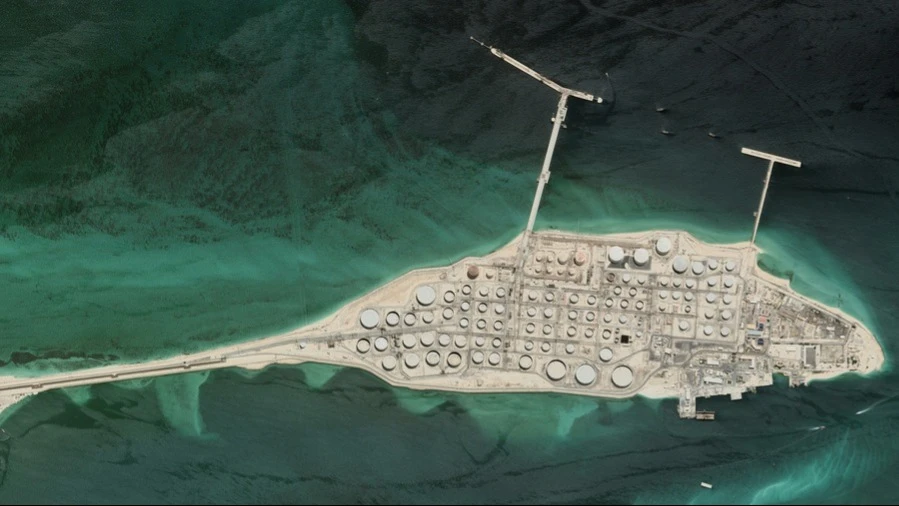
The Houthis attacked Saudi Arabia's largest oil terminal in Ras Tanura / Photo: Aerial Viewer/Shutterstock.com
Oil prices spiked on October 28 after pro-Iranian Houthi rebels from Yemen launched a missile strike on Saudi Arabia’s largest oil refinery—the world’s leading exporter of crude oil. A fire near the refinery, which has a capacity of 550,000 barrels per day, was contained, but the extent of the damage remains unclear, according to Bloomberg.
The Houthi attack has heightened concerns about supplies from the Middle East, Reuters reports. Brent futures are currently trading up 1.1% at $115 per barrel, while U.S. WTI futures have risen 1.7% to nearly $102. Earlier in the morning, the gain exceeded $2—nearly the same amount that oil had lost the previous day. Since the beginning of the year, Brent prices have nearly doubled.
Post-Election Escalation
Bloomberg also attributes the price increase to reports that the U.S. may resume strikes against Iran after the midterm congressional elections on November 3. U.S. officials have warned several Gulf countries to prepare for a short but intense campaign, The Wall Street Journal reported, citing sources. According to the newspaper, President Donald Trump has not yet made a decision but is leaning toward a large-scale attack after the election.
Market participants are currently pricing in a higher probability of a new escalation, according to ING’s commodity market strategists. “Oil remains expensive as the market awaits clarity on President Trump’s next move regarding Iran,” they write. “If the election passes without new strikes against Iran, that may be enough for the market’s risk premium to begin to fade” (quoted via Reuters).
Trump and Netanyahu
Traders are also keeping an eye on the parliamentary elections in Israel. In February, Israeli Prime Minister Benjamin Netanyahu backed Trump: the U.S. and Israel jointly attacked Iran. Now Netanyahu may lose his position: According to the latest data, he is leading in the polls, ahead of opposition leader Gadi Eizenkot, but whether the incumbent prime minister will be able to form a coalition and a government remains to be seen, Bloomberg reports.
“There is a very real possibility that President Trump will lose his ally who is willing to go to war in Iran—Benjamin Netanyahu,” says Robert Youger, head of the energy futures division at Mizuho Securities USA. According to him, the results of the Israeli election could offer clues as to what to expect from the U.S. midterm elections.
Inventories and OPEC
The market’s next key events are the weekly U.S. Energy Information Administration (EIA) oil inventory data, set to be released today, and the OPEC+ meeting on Sunday, November 1, Reuters notes. Sources told the agency that the alliance’s member countries are likely to maintain their production plans for December. According to the agency, production is currently below quotas for most of the seven key OPEC+ members, including Kazakhstan.
This article was AI-translated and verified by a human editor