Google has disclosed its investments in SpaceX and Anthropic. Why is an analyst calling it an “illusion”?
The rise in the value of its stakes in SpaceX and Anthropic brought the tech giant tens of millions of dollars for the quarter

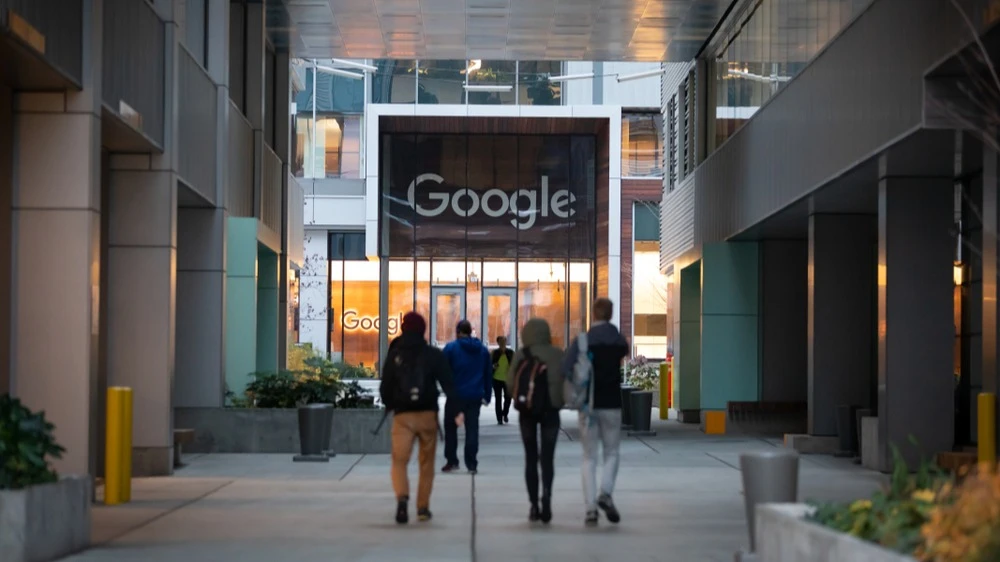
Google Reveals the Value of Its Stake in SpaceX and Its Private Businesses / Photo: VDB Photos/Shutterstock.com
Alphabet, Google’s parent company, has disclosed the scale of its investments in Elon Musk’s SpaceX and private companies, primarily the AI startup Anthropic. The revaluation of these holdings added about $100 billion to the tech giant’s value for the quarter and helped nearly quadruple its net income. But these gains exist only on paper and could quickly vanish, warns Richard Windsor, founder of the analytics firm Radio Free Mobile.
SpaceX is valued at $94 billion; Anthropic has no exact valuation
As of the end of June, Google’s SpaceX holdings consisted of $80 billion in shares subject to short-term selling restrictions and an additional $14.1 billion in shares subject to longer-term restrictions—until the third quarter of 2027, according to The Wall Street Journal, citing financial reports. The publication estimated Google’s stake at “approximately 6%,” based on SpaceX’s market capitalization of $1.52 trillion as of July 23.
The value of Google’s investments in private companies not named in its financial statements reached $124.3 billion as of June 30. Alphabet noted that a single asset accounts for the bulk of this amount. According to a Bloomberg source, this refers to a stake in Anthropic.
There's a profit, but no money
Alphabet's earnings per share reached $9.11—nearly 300% more than a year earlier. This was largely driven by the revaluation of investments in SpaceX and Anthropic: the “other income” line item increased by $98 billion, primarily due to net unrealized gains on securities, according to MarketWatch.
Windsor of Radio Free Mobile believes that earnings that exist only on paper create an “illusory sense of security” and “will evaporate at the first sign of trouble.” They do not generate cash flow, and the impact on financial statements could disappear just as easily, according to the MarketWatch analyst.
Google Cloud’s revenue rose 82% in the second quarter; however, according to Windsor’s assessment, the cloud business will have to maintain this “dizzying pace” for a long time to come to justify its current expenses. Previously, Google’s results were driven by steady growth and strong cash flow, but now they are sustained by speculative unrealized gains and hopes for a return on massive capital expenditures, the analyst said.
The Downside of Revaluation
This quarter, SpaceX’s stock fell 31%, and Google’s stake in the company lost $29 billion in value, according to Barron’s. However, Google may hardly notice this loss: it amounts to about 1% of its market value, the publication notes.
Context
After a spectacular stock market debut, SpaceX has lost all of its initial gains but is still valued much higher than before the IPO, Value Add VC points out. Musk’s company priced its shares at $135 on June 11, and they closed the first trading session at around $161, raising its market capitalization to $2.1 trillion. The stock then fell below the offering price, and by the close of trading on July 23, SpaceX was valued at approximately $1.6 trillion. This is more than four times higher than in December 2024, when a private share buyback deal valued the company at $350 billion.
This article was AI-translated and verified by a human editor