Chinese AI models have caught up with their American counterparts. Will Beijing now restrict access to them?
The bans could undermine the key advantage Chinese products have over their counterparts from Anthropic and OpenAI

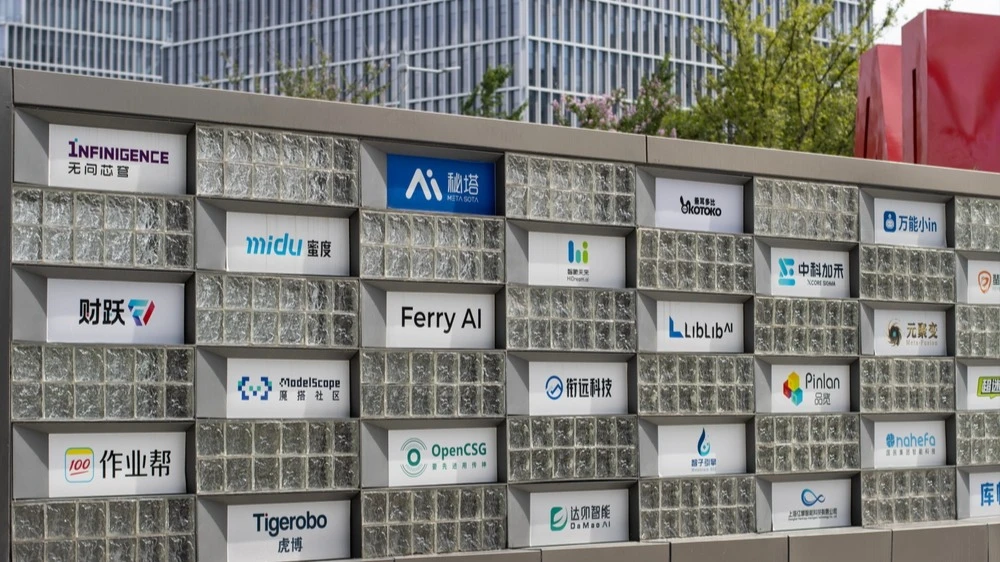
Chinese AI models are now competing with their American counterparts not only on price but also on performance / Photo: Tada Images/Shutterstock.com
Chinese artificial intelligence developers have significantly narrowed the gap with their American competitors, and Beijing is now considering ways to protect its technological achievements. The country’s authorities are considering tightening export controls on advanced AI models and semiconductor technologies, according to the Financial Times (FT). The new rules could limit foreign companies’ and users’ access to Chinese innovations.
What is the paradox?
Open-source models have become one of the competitive advantages of companies from China—they can be downloaded, run on in-house servers, and adapted to specific needs. This is how DeepSeek and Moonshot—startups that have made a splash on Western stock markets—distribute their products. In contrast, the leading systems from U.S.-based OpenAI and Anthropic are available only through the companies’ own services.
FT sources say that Beijing may now restrict the very method of distribution that sets Chinese models apart from their Western counterparts.
What's Being Discussed
The FT has learned that China’s Ministry of Commerce discussed the idea of banning the download of cutting-edge AI models with Alibaba, ByteDance, and Zhipu (known as Z.ai). Beijing is also concerned about the transfer of key training data overseas. According to sources cited by the British newspaper, access to Chinese developments via local companies’ services will likely remain open.
The discussion also touched on semiconductors. Chinese authorities have sought input from the business community on possible restrictions on the overseas production of advanced chips for projects by Huawei, Alibaba, and ByteDance. The FT cites Qualcomm and TSMC as among the companies that could be affected by such measures.
Another area of focus is regulating foreign acquisitions of Chinese technology companies, particularly developers of AI agents, the article states. Beijing believes that a loophole in the current regulations allowed Meta Platforms to acquire the startup Manus for $2 billion. The Chinese authorities later demanded that the deal be canceled.
What China Stands to Lose
According to Reuters, the restrictions could also apply to models that have not yet been released. Chinese tech companies have already warned regulators that some of the proposed measures could slow down AI development and prevent the country from winning the technology race, the FT reports.
Context
Late last week, the startup Moonshot unveiled the Kimi K3 AI model, which can be downloaded and run on a user’s own server. In terms of performance, it rivals solutions from OpenAI and Anthropic. The market responded with a sell-off of shares in chipmakers and cloud giants Alphabet, Amazon, and Microsoft.
Morningstar called this reaction excessive. U.S. companies and government agencies are unlikely to switch to Chinese models just to save money, wrote analyst Malik Khan. Furthermore, the falling cost of AI could increase demand for computing power. Therefore, “the investment case for cloud infrastructure remains virtually unchanged,” he concluded.
This article was AI-translated and verified by a human editor