Head of Blackrock named the main investment trend for the next year and a half
Betting on technology has increased the U.S. gap from the rest of the world, says Larry Fink

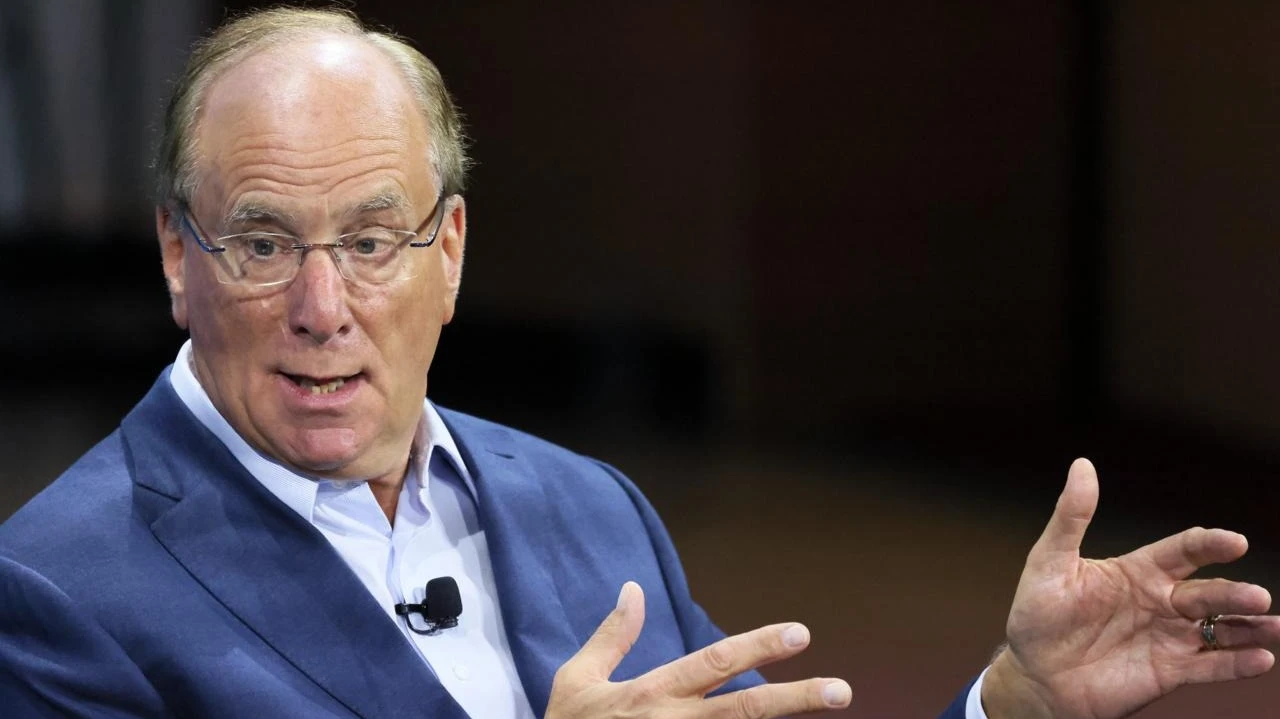
Larry Fink, founder and head of the world's largest investment company BlackRock, believes that investors should remain "overweight" in U.S. assets for the next year and a half, as the U.S. economy is showing a significant advantage due to the technology sector.
"Look, money is going to move all the time. But I would say most global investors have a significant overweight in [U.S. assets]. And I think that's the right place to have an overweight for at least the next 18 months," Fink said at the annual Future Investment Initiative forum in Saudi Arabia. His remarks were cited by Bloomberg.
According to the financier, despite some capital outflows from dollar assets at the start of 2025, the last two months have seen the opposite trend. "We did see some moderate transformational movement out of the dollar at the beginning of the year: that money was moving into Europe and other places. But that was happening because of the huge overweight in dollar assets. And I would say that in the last two months, that money is moving back to the United States," the BlackRock CEO noted.
Fink named large-scale capital investments in technology, including those related to the development of artificial intelligence, as a key factor in the attractiveness of the U.S. economy. "If you look at the structure of the U.S. economy in the second quarter, more than 40% of the growth in the second quarter came from capital spending on technology," he explained. Fink specified that this refers to both investments in data centers and finding additional energy capacity, building gas turbines. "All of this is happening in the U.S. to a greater extent than in most of the rest of the world. We don't see as strong a trend in Ma. And this is one of the main reasons for the huge gap between US GDP and European GDP," says the head of BlackRock.
Fink said his main concern is the U.S. dependence on selling its dollar assets to international investors. "We are still a nation that needs to sell 30% to 35% of our Treasury securities overseas, and to me that's the biggest concern today," Bloomberg quoted Fink as saying. "We are fortunate that people want to invest in dollars, to invest in the U.S. economy," he added, warning that if foreigners lose interest in U.S. assets, the negative consequences would not just be commensurate with that loss, but would set off a chain reaction that would multiply the initial shock.
This article was AI-translated and verified by a human editor