Investors have flocked to defensive stocks out of fear that the AI rally is coming to an end. Will this last?
Investors have turned their attention to stocks of manufacturers and retailers of essential goods, as well as healthcare companies


Walmart and Coca-Cola stocks have outperformed tech stocks in recent weeks / Photo: ZikG/Shutterstock.com
In recent weeks, investors have begun buying stocks that they hope will protect them from market sell-offs as the AI-fueled “bull market” comes to an end, according to the Financial Times. Asset management firms are cutting back on investments in tech stocks and shifting funds into defensive sectors with stable revenue. This has helped European indices weather the tech sector sell-off: defensive companies account for a larger share of the European market than they do in the U.S. market. But due to an influx of buyers, defensive sectors have already risen so much on Wall Street that their stocks could plummet if market sentiment shifts, experts warn.
Walmart and Coca-Cola Outperformed the Tech Sector
In October, the MSCI Global Consumer Staples Index rose 10.6% (the largest increase since 1998), while the MSCI Global Healthcare Index rose 9.8% (the only time it rose more was at the start of the coronavirus pandemic). In November, both indices maintained these gains, the FT notes.
Since October 6, when the Nasdaq 100 Index—which is dominated by technology companies—hit its latest record high, shares of the Walmart supermarket chain have risen by more than 15%, while those of beverage maker Coca-Cola have risen by more than 10%. The MSCI Global Technology Index, by contrast, has lost more than 13% since the beginning of October.
AI stocks, which had been driving stock markets higher in recent years, began to fall in price as early as October: investors began to doubt that the massive spending on AI infrastructure would yield the expected returns. These concerns peaked last week when the Democratic Party won a decisive victory in the U.S. midterm congressional and gubernatorial elections. This triggered a sharp sell-off of tech stocks worldwide: the market fears that the Democrats will try to slow down the construction of data centers for AI.

“People want to diversify,” and this is fueling a shift toward consumer staples and other market segments, the FT quotes Guy Miller, chief market strategist at Zurich Insurance Group, as saying. Pictet Asset Management, an asset management firm, is shifting its equity investments toward “less cyclical” sectors such as healthcare due to concerns about AI funding and high interest rates, the FT reports, citing the firm’s chief strategist, Luca Paolini.
Citi Chose Europe Over the Tech Sector
On November 9, Citi downgraded its recommendation on U.S. and global technology stocks from “better than the market” (bigger than benchmark) to neutral. Beata Mantei, the bank’s head of European equity strategy, raised her recommendation on European stocks (excluding the UK) that same day, as the tech sector accounts for a smaller share of the region’s market. The European market held up during the tech sector sell-off because it has more defensive sectors than the U.S., the FT notes. Since the beginning of November, the pan-European Stoxx Europe 600 index has risen 1.5%, while the Nasdaq 100 has lost more than 2%.
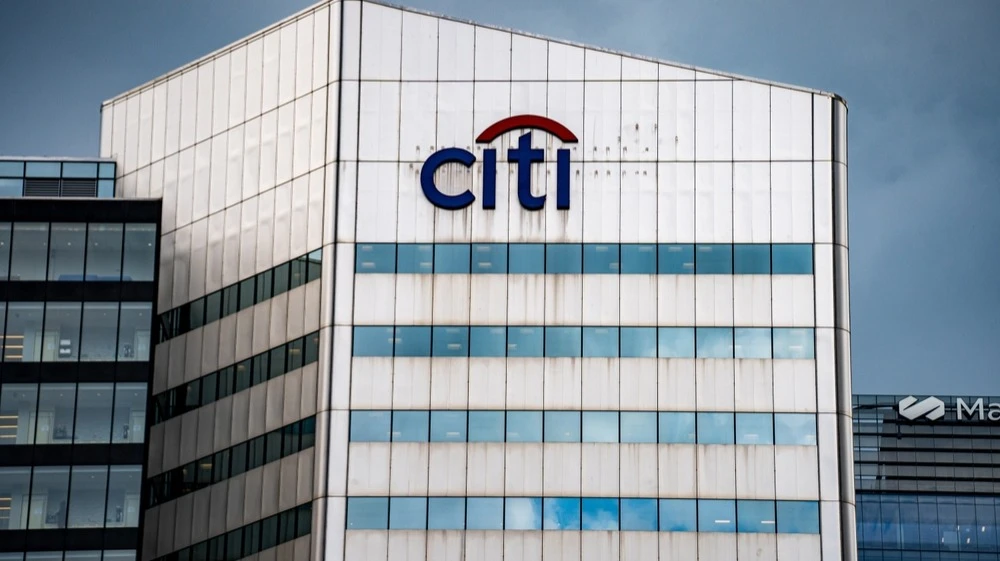
Citi analysts described the flow of money into defensive stocks as “sharp.” Nevertheless, they acknowledge that these stocks may continue to outperform more cyclical stocks—those of companies whose profits are more heavily dependent on the state of the economy—next year as well.
Protection That Doesn't Come Cheap
Matthias Scheiber, head of the multi-asset investment division at Allspring Investments, scaled back his “very aggressive” investments in the tech sector this year and bought more defensive stocks: he was concerned about the global tightening of monetary policy and signs of persistent inflation. Buying defensive stocks while betting on a decline in the tech sector has paid off over the past couple of weeks, but such a strategy could suffer from a shift in market sentiment, Schieber warns. “Defensive sectors are quite expensive right now, while some segments of the tech sector have fallen sharply in price… This could go either way,” the FT quotes him as saying.
Defensive sectors have already taken a hit: last week, as volatility rose, shares of healthcare companies and manufacturers and retailers of essential goods fell in price. Some market participants saw this as a warning sign: such stocks could also face a sharp sell-off, the FT notes.
As early as October 20, the consumer staples sector became the most expensive in the S&P 500 based on forward P/E (price-to-earnings ratio), surpassing the technology sector. “If inflation starts to squeeze margins, consumers switch to cheaper goods, or earnings disappoint, these stocks with high multiples could suffer,” warned Mark Hackett, a strategist at Nationwide’s investment management division, at the time (as quoted by MarketWatch).
This article was AI-translated and verified by a human editor