IPO Reformation: The Brand That Dressed Taylor Swift and Jennifer Aniston Goes Public
The company went public on the New York Stock Exchange and raised $210.9 million

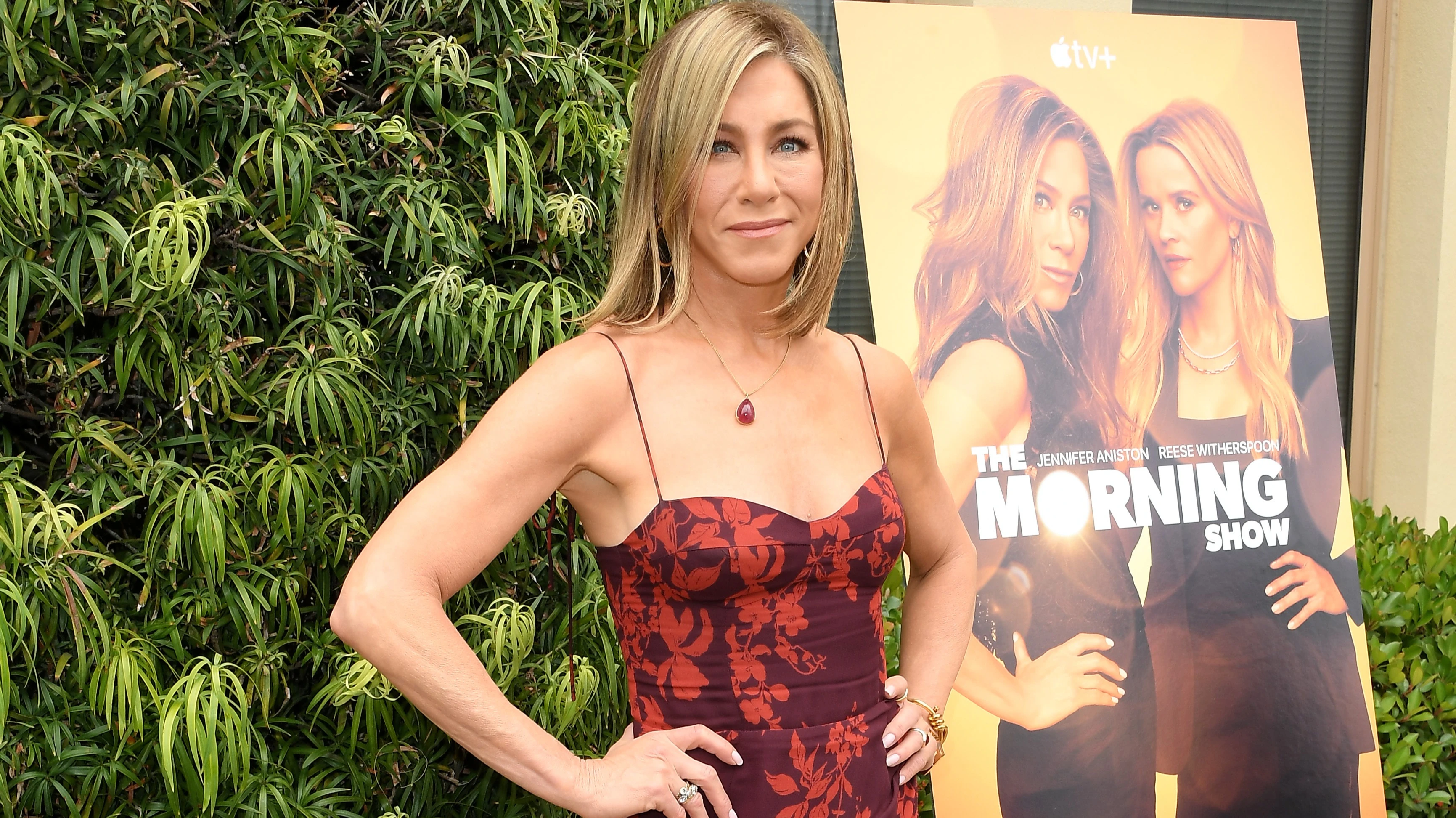
Jennifer Aniston in a $278 dress by Reformation / Photo: Getty Images/Steve Granitz/FilmMagic
Pre-market trading in shares of Reformation, a chain of stores selling premium eco-friendly women’s clothing, has begun on the Freedom trading platform for clients. The brand is popular among celebrities, including singer Taylor Swift and Meghan Markle, the Duchess of Sussex, according to The Wall Street Journal. Later on July 30, Reformation shares will be listed on the New York Stock Exchange under the ticker symbol REF.US.
Details
Reformation raised $210.9 million through its IPO. It offered 9.48 million shares to investors, with existing shareholders contributing an additional 4.58 million shares. The shares were priced at $15, which is at the lower end of the previously announced price range ($15–17). Based on the IPO price, Reformation’s total valuation is approximately $886 million, Bloomberg noted.
The listing was organized by JPMorgan, Morgan Stanley, Citigroup, RBC Capital Markets, Guggenheim Securities, Baird, William Blair, BTIG, and Telsey Advisory Group.
Permira, the investment firm that acquired a controlling stake in Reformation in 2019, will retain significant influence over the company's management even after the IPO, the retailer warned.
What Makes the Company Notable
Founded in 2009 as a vintage clothing boutique in Los Angeles, Reformation positions itself as a sustainable brand specializing in the design and sale of women’s clothing and accessories. In the early days, Reformation’s collections were created by repurposing vintage dresses and adding decorative elements, according to Modaes.
The brand first gained recognition for its dress collections, which were spotted on celebrities such as actress Jennifer Aniston and model Kendall Jenner and went viral on social media. The brand subsequently expanded its product line to include denim, shoes, handbags, and swimwear, according to the WSJ.
The company currently operates 70 retail stores in the U.S., the U.K., Canada, and France, as well as an online platform that ships to customers in more than 150 countries. Reformation generates about 90% of its revenue through direct sales channels and relies on an established, loyal customer base, according to Reuters. The brand’s active customer base exceeds 1 million shoppers, according to the prospectus filed with the U.S. Securities and Exchange Commission (SEC).
According to documents filed with the SEC, revenue for fiscal year 2025 increased by 16% to $507.1 million. Net income for the same period decreased by 62% to $12.6 million. In the first quarter of 2026, which ended on March 28, Reformation’s revenue grew 30% year-over-year to $112.3 million. At the same time, the company’s net loss increased by 119% to $12.1 million compared to a year earlier.
Reformation stated that it plans to use a portion of the funds raised during the IPO to repay debt and to repurchase some of its shares.
"Sexy Math"
Unlike most issuers, who use traditional presentations with charts and financial forecasts ahead of an IPO, Reformation has relied on its recognizable brand style, according to MoneyWise.
In a 30-minute video for potential investors, top management explains the company’s business model while a model takes a bath with a glass of champagne. This is an ironic nod to the famous scene featuring actress Margot Robbie in the movie *The Big Short*, where complex Wall Street terminology was explained, according to Vogue Business.
"When it comes to creating value for shareholders, we're serious about it," says the model in the commercial.
Reformation refers to some of its operating metrics as “sexy math” and emphasizes its established, loyal audience, effective data management, and a growth strategy based on technology and artificial intelligence, according to MoneyWise.
What People Are Saying in the Market
At the current offering price, the company’s stock has 12% upside potential following the IPO, according to Freedom Finance analyst Alem Bektemirov, who has set a target price of $16.85. According to him, the main risks to the business are market competition and the ability to attract and retain customers.
The brand’s IPO will serve as an important test of investor appetite for fashion industry assets at a time when the U.S. IPO market is dominated by companies in the AI infrastructure sector, Reuters reports. The results will show whether the current market rally is extending to sectors beyond the favorites.
Investors are not shying away from the consumer sector, but only a few retail brands are recognizable enough and distinct enough from others to generate significant interest in the public market, notes Cathie Liu, vice president of the research firm IPOX. “Consumers consistently emphasize the importance of sustainability, but purchasing decisions are still heavily influenced by price, trends, and convenience,” she says (as quoted by Reuters).
According to Liu, the direct-to-consumer model gives Reformation a higher level of control over pricing, merchandising, customer service, and inventory management compared to brands focused on wholesale sales. “However, I wouldn’t consider this model an exclusive competitive advantage, since many modern apparel brands are using similar strategies today,” the analyst concludes.
One of Reformation’s key investment theses is its high customer retention rate, according to MoneyWise. According to its IPO filing, repeat customers accounted for nearly 70% of revenue in the direct-to-consumer segment in 2025. On average, this customer base makes 2.6 purchases per year, which makes it easier for investors to accurately forecast future revenue. “Repeat purchases in the apparel retail sector are the closest equivalent to a subscription model. This makes the structure of future revenue predictable, for which investors in the public market are willing to pay a premium,” commented Chan An, founder of the investment firm Tessera.
About 80% of Reformation’s products are sold at full price, and the company limits its use of discounts to two sales per year. According to Ana, this is a key factor, as aggressive price cuts quickly erode profitability and train customers to wait for markdowns. “In the fashion industry, the percentage of full-price sales is the best indicator of a brand’s strength,” he emphasized. — “Selling 80% of the product range at full price means that demand exceeds supply at current price levels, and management maintains strict discipline in inventory management.”
___________________
Freedom clients will be able to access Reformation shares before the main trading session opens. Trading will begin in the early pre-market session 2–3 hours before the U.S. markets open (from 3:30 p.m. to 4:30 p.m. Astana time). To participate, click on the REF.US ticker.
This article was AI-translated and verified by a human editor