Iran may require ships to pay "insurance fees" for passing through the Strait of Hormuz

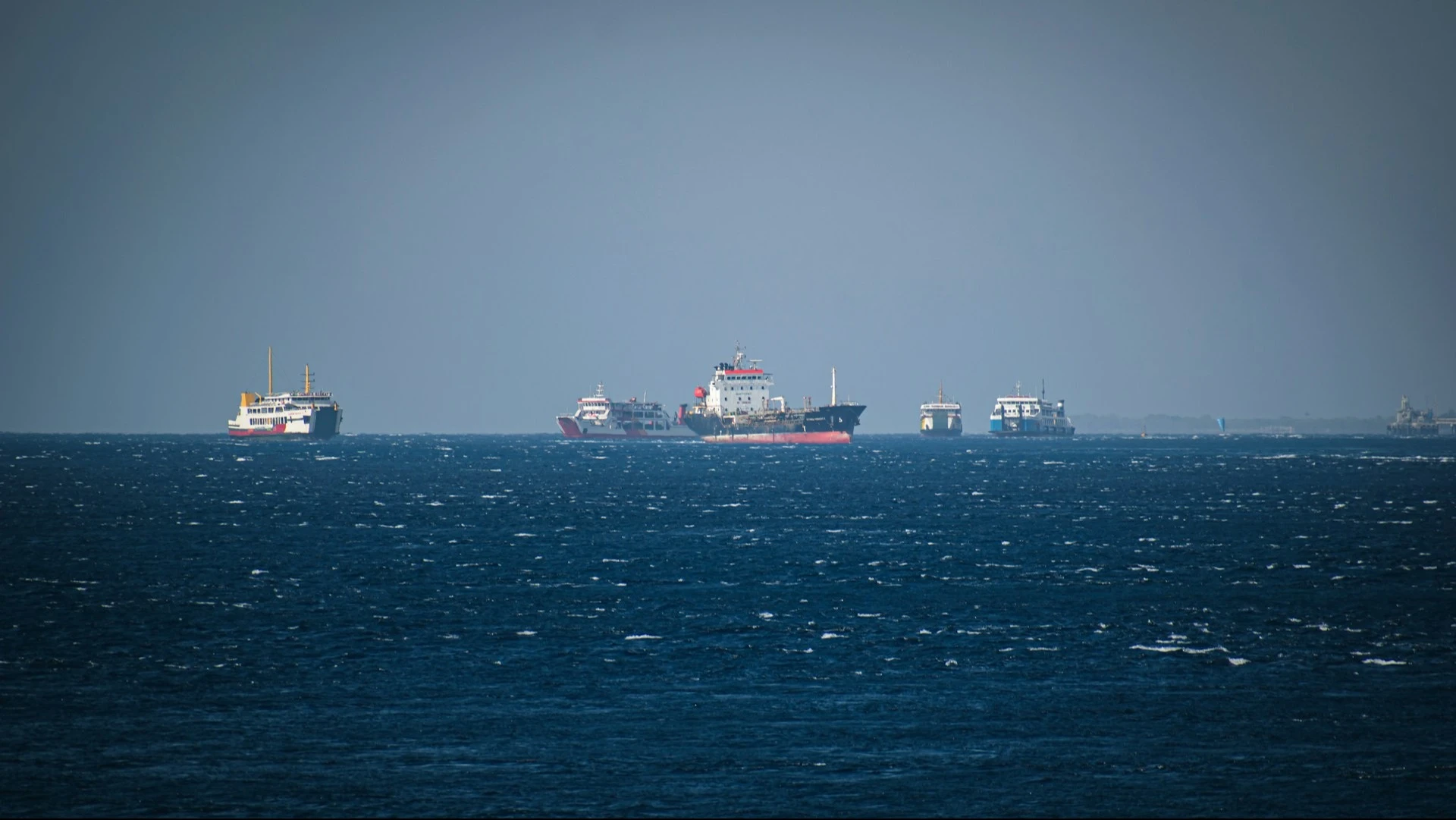
Iran Plans to Impose "Insurance Fees" for Passage Through the Strait of Hormuz / Photo: Unsplash.com / Fahrul Razi
Iran has required all commercial vessels to obtain an “insurance policy” from it before passing through the Strait of Hormuz. This decision is seen as paving the way for the introduction of tolls for transiting the strait after the expiration of the 60-day moratorium provided for in the interim agreement with the U.S., Bloomberg reports.
Details
The Persian Gulf and Strait of Hormuz Authority (PGSA), established in May 2026, has distributed a document to members of the shipping industry stating that all vessels must have an insurance policy approved by the agency. Currently, this insurance is provided free of charge; however, the document states that the PGSA “reserves the right” to introduce fees at a later date, the amount of which will be determined by the insurer.
Iran has pledged not to charge fees for shipping through the Strait of Hormuz for 60 days after the memorandum with the U.S.—signed remotely on June 17—takes effect. After that, Iran and Oman are to agree on a new scheme for managing the strait, which will likely include fees for security and maritime services, a source told the Financial Times.
Such plans confirm the fears of shipping companies, which believe that Tehran is attempting to establish a new system of control over the strait and effectively force ships to pay for its use, the FT notes.
On Friday, June 19, Iran fired warning shots at ships in the strait and issued a radio warning that the strait would remain closed until the U.S. Navy lifted its blockade and hostilities in Lebanon ended, sources told the publication.
Context
The Strait of Hormuz is considered one of the most important routes for global energy trade. Before the war in Iran began, about 20% of the world’s oil and liquefied natural gas shipments passed through it.
The introduction of any mandatory tolls for passage through the Strait of Hormuz could spark disputes with the shipping industry and major oil importers, as the principle of free passage through international waters is enshrined in international maritime law, the Financial Times reports. Furthermore, uncertainty surrounding the future shipping regime is already complicating matters for carriers planning routes through the region. The PGSA document specifies the routes that ships must follow through the strait, and any deviation from these coordinates will be considered a violation. Shipowners are reluctant to use routes other than those proposed by Iran, as well as the alternative route along the coast of Oman—which some ships used during the war—fearing that Iran might have laid mines in the central part of the strait, the Financial Times concludes. U.S. sanctions imposed on the Iranian agency pose an additional challenge to the organization of shipping through the Strait of Hormuz.
This article was AI-translated and verified by a human editor