The FT has learned the reason behind the postponement of U.S.-Iran talks. What about oil?
Brent fell below $80 per barrel, while WTI continued to rise

Iran has refused to attend talks with the U.S. due to Israel's strikes on Lebanon, according to the FT / Photo: Unsplash/MohammadAli Dahaghin
Talks between the U.S. and Iran have been postponed following a series of Israeli airstrikes on southern Lebanon, the Financial Times reported, citing three sources. The postponement of the meeting between the delegations has created new uncertainty regarding the timeline for a peace agreement between the parties, Reuters notes. Brent crude oil prices, which had risen above $80 per barrel again on Friday morning, then reversed course and began to decline.
Details
Iran did not send its delegation to Switzerland because of Israel’s attacks on Lebanon, sources told the FT. On the night of Friday, June 19, the Israeli Air Force attacked more than 10 towns in southern Lebanon. According to the Lebanese Ministry of Health, 18 people were killed and another 33 were wounded, the newspaper reports. At the same time, the memorandum of understanding signed Wednesday by the U.S. and Iran calls for an “immediate and permanent cessation” of hostilities, including in Lebanon, she noted.
“The Iranians have demanded guarantees that hostilities in Lebanon will cease, as stipulated in the signed agreement. Mediators are trying to resolve this issue,” a diplomat familiar with the negotiations told the FT.
According to two FT sources, the meeting between the U.S. and Iranian delegations has been tentatively rescheduled for Monday, June 22, though everything will depend on how the situation in Lebanon unfolds. It is not yet clear how long the pause will last, says a third source. Iranian officials and state media have not commented on Tehran’s refusal to participate in the Swiss meetings, the FT added.
The White House told *The Hill* that the plans for the talks had not been finalized, which is why Vice President J.D. Vance did not travel to Switzerland. The U.S. delegation is “ready to depart at the earliest opportunity,” the publication reports.
Brent crude oil futures initially rose by about 0.5% during trading on June 19, climbing to $80.7 per barrel. However, prices then reversed course: as of the time of this writing, the commodity was actually down 0.5%. U.S. WTI crude oil futures rose 0.33% to $76.9 per barrel.
Context
Lebanon has become one of the main sticking points in the negotiations between the U.S. and Iran, the FT reports. Tehran supports the Lebanese group Hezbollah and has therefore demanded that the Lebanese issue be part of an overall regional agreement. According to a second source cited by the publication, Iran firmly adheres to the position of “no Lebanon, no deal” and believes it has sufficient leverage to extract concessions from Washington.
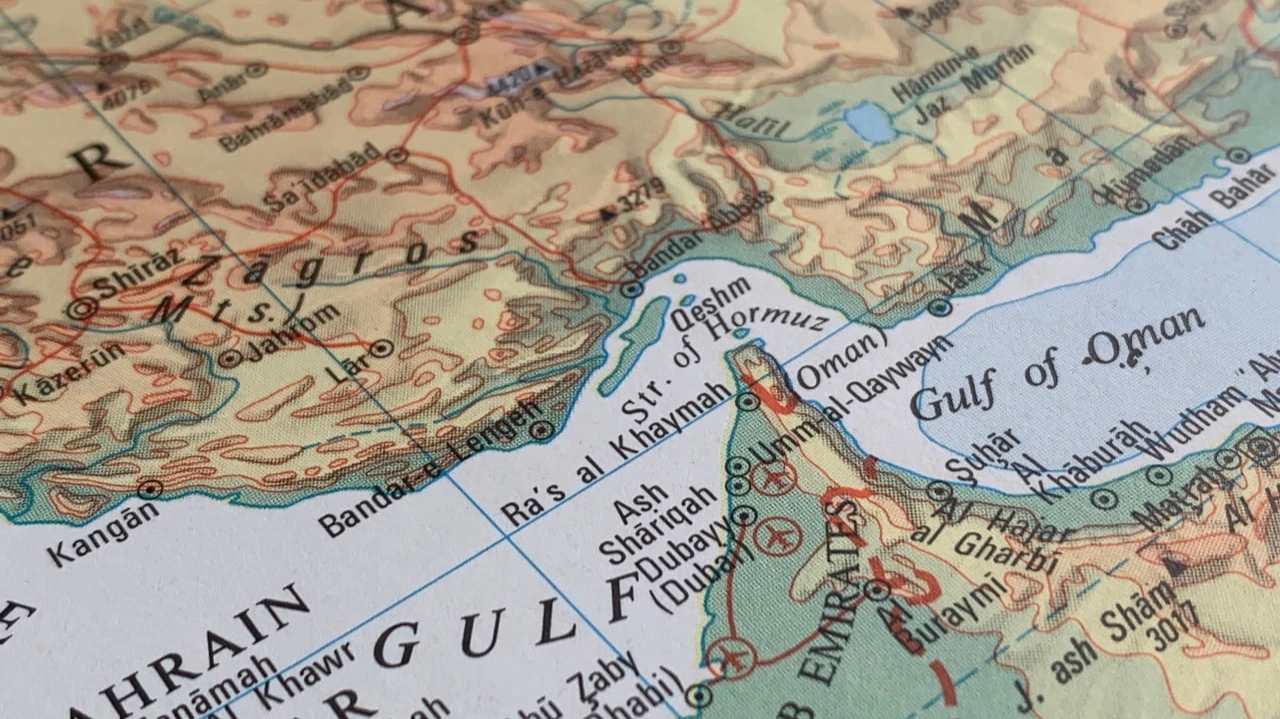
The memorandum of understanding signed by the presidents of the United States and Iran calls for the opening of the Strait of Hormuz—a vital sea lane through which, prior to the war, about one-fifth of the world’s oil supplies passed. The strait was effectively blocked shortly after hostilities began.
This article was AI-translated and verified by a human editor