"KazMunayGas" Is Prepared to Pay the Kashagan Fine Despite Its Partners' Opposition — Bloomberg
Foreign participants in a project to develop one of the world's largest oil and gas fields are challenging the fine

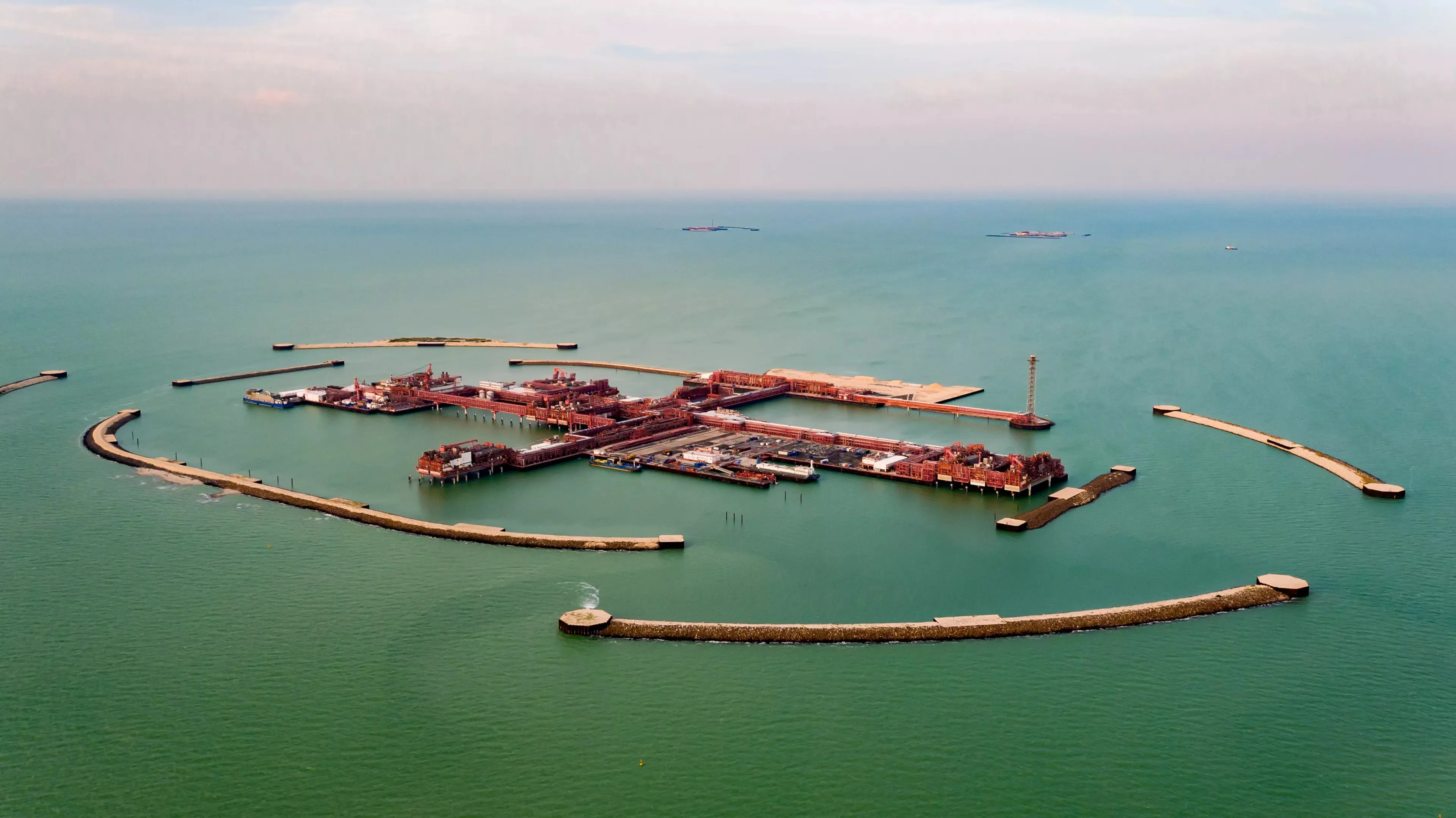
Kashagan is one of the largest oil and gas fields in the world / Photo: kmg.kz
Kazakhstan’s state-owned company “KazMunayGas” intends to pay its share of the environmental fine imposed on the project to develop the massive Kashagan oil field, Bloomberg reports, citing sources. The total fine amounts to approximately $5 billion. According to the agency’s sources, KazMunayGas has notified the government and its partners of its intention.
The Kashagan project is being implemented by the North Caspian Operating Company (NCOC) consortium, which includes six global oil and gas majors: Europe’s TotalEnergies, Eni, and Shell; the U.S.-based ExxonMobil (each holding 16.81%); China’s CNPC (8.33%); and Japan’s Inpex (7.56%). KazMunayGas holds a 16.88% stake.
KazMunayGas’s decision to pay the fine is at odds with the position of its foreign partners, the agency notes. The international majors involved in the project, including Shell and Exxon Mobil, deny violating environmental regulations and have been trying to challenge the fine for several years.
"KazMunayGas" declined to comment, and Kazakhstan’s Ministry of Energy did not respond to a request from Bloomberg. The agency was also unable to obtain comments from the project’s foreign participants.
What is the Kashagan project known for?
Kashagan is one of the world’s largest oil and gas fields, located in the northern part of the Caspian Sea, approximately 80 km from the city of Atyrau. According to estimates provided on the project’s website, proven oil reserves total more than 35 billion barrels, with recoverable reserves estimated at approximately 9–13 billion barrels.
The field was discovered in 2000, but oil production did not begin until 2013—eight years later than planned and $45 billion over the initial budget, according to Bloomberg. A month after production began, operations at the field were suspended due to pipeline leaks and did not resume until 2016.
Why was the NCOC fined?
The dispute over the environmental fine has been ongoing for several years. In 2023, Kazakhstan demanded that the Kashagan operator pay approximately 2.3 trillion tenge, claiming that NCOC had stored sulfur at the facility in quantities twice the permitted level.
NCOC claimed that it had all the necessary permits to store sulfur. The company attempted to challenge the fine, but several courts in Kazakhstan, including the Supreme Court, dismissed its claims.
The situation escalated last week when Kazakhstan’s Ministry of Justice announced that the consortium members must pay the fine by July 20—otherwise, enforcement measures may be taken against them. For their part, the companies are now awaiting a decision from the international arbitration tribunal. Pending that decision, the UNCITRAL arbitration tribunal has prohibited the Kazakhstani authorities from enforcing collection of the fine; however, the Kazakh Ministry of Justice stated that “the arbitration award does not apply to the state’s exercise of sovereign public authority, including the enforcement of environmental legislation.”
Context
Environmental claims against the Kashagan project participants arose amid Kazakhstan’s efforts to tighten its control over the project, Bloomberg reported, citing a source. Kazakhstan is seeking to increase its revenue from natural resources and has filed lawsuits totaling $166 billion. Most of the claims relate to lost profits, but also to contracts that, according to Kazakhstan, were entered into under corrupt circumstances, Bloomberg reported.
This article was AI-translated and verified by a human editor